

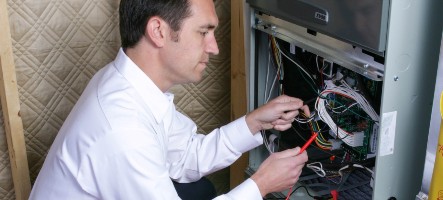
A furnace tune up checklist covers a once-a-year preventive service, ideally done in September or October before Chicago's heating season, that checks combustion, venting, airflow, electrical parts, safety controls, and carbon monoxide (CO) safety. The checklist below has two parts: what you do before the technician arrives and what a professional should test.
What a Furnace Tune Up Covers
A furnace tune-up is preventive maintenance on a working furnace. It confirms the system starts, burns fuel, circulates air, vents exhaust, and shuts down safely. It's more than a filter change.
If you're wondering what should a furnace tune up include, a documented visit leaves you with:
measurements: temperature rise, gas pressure, and blower readings written down
safety results: CO and safety-control test results
findings: repairs needed now versus parts nearing the end of their life
equipment details: model, serial number, and filter size
Combustion is the burning of gas or oil to make heat. The heat exchanger is the metal chamber that keeps burning gases separate from the air you breathe. A tune-up usually doesn't include major repairs, heat exchanger replacement, duct sealing, or chimney work, so confirm inclusions before approving service.
Why Chicago Homes Need Annual Furnace Service
Chicago furnaces run for long stretches in winter, so a small airflow, ignition, or venting problem can become a failure or safety issue. In our experience, worn ignitors, dirty flame sensors, and weak capacitors are the most common causes of no-heat calls, and annual furnace maintenance catches them early.
safer operation: CO, venting, and heat exchanger concerns are found early
fewer winter breakdowns: worn parts get replaced before a cold snap
steadier comfort and efficiency: clean burners and proper airflow help the furnace heat evenly
longer equipment life: documented maintenance helps spot wear early
ENERGY STAR recommends annual pre-season heating checkups.
Best Time to Schedule a Furnace Tune Up in Chicago
Schedule in September or early October. Chicago furnace maintenance appointments fill quickly once temperatures drop.
Timing | What it means for you |
September to early October | Best window; time to fix problems before cold weather |
Late October to early November | Acceptable backup if tested before continuous use |
First major cold snap | Avoid; demand rises and a failure can leave you without heat |
Schedule sooner if the furnace is more than 10 to 15 years old, hasn't been serviced in a year, has short-cycled or locked out, or makes banging, scraping, or buzzing sounds.
If a CO alarm sounds, leave the home and call 911 or the gas utility from outside. A tune-up is not a substitute for emergency response.
Furnace Tune Up Checklist for Homeowners Before the Visit
These four steps take about 30 minutes and make the professional visit faster and more useful. None involve opening the furnace or touching gas or electrical parts.
1. Replace or Check the Air Filter
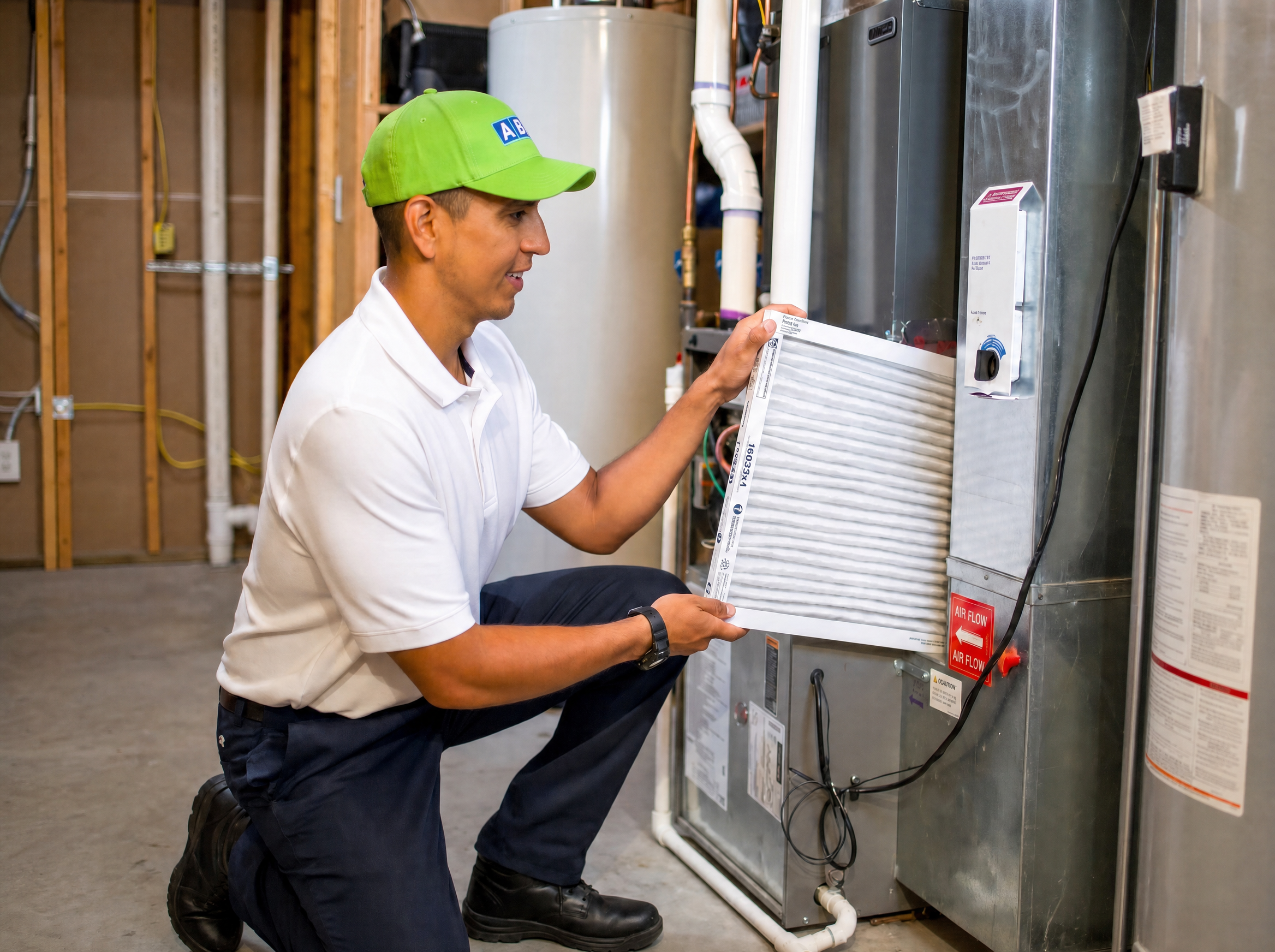
A dirty filter restricts airflow and can cause overheating shutdowns. Turn the thermostat off, note the airflow arrow, install the correct size with the arrow pointing toward the furnace, and write the date on the frame. Check monthly during heating season, and skip very restrictive high-efficiency filters unless your system is designed for them.
2. Clear Vents, Returns, and the Furnace Area
Move cardboard, paint, solvents, gasoline, and cleaning chemicals away from the furnace. Keep access panels, combustion air openings, and flue connections unblocked. Open every supply register and return grille, the larger vent that pulls air back to the furnace.
3. Test the Thermostat
Replace batteries if applicable, set the system to Heat, and raise the setpoint a few degrees. Confirm the furnace starts and warm air reaches your rooms. Note delayed ignition, short cycling, or inaccurate temperature for the technician.
4. Test Your Carbon Monoxide Alarms
Carbon monoxide is an odorless, colorless gas produced by incomplete combustion. Press the test button, replace batteries, check expiration dates, and keep alarms near sleeping areas and on each level. The U.S. Consumer Product Safety Commission offers placement guidance. An alarm is a backup warning, not a replacement for professional carbon monoxide testing.
Professional Furnace Maintenance Checklist
Use this HVAC maintenance checklist as a guide, and leave gas burners, gas pressure, safety controls, and live electrical parts to a licensed technician. It focuses on gas furnaces, the most common type in Chicago homes. Oil furnaces add nozzle and oil filter service, and electric furnaces skip combustion steps.
1. Thermostat and Controls
operation and wiring: confirms the heating call, accurate readings, and secure connections
2. Burners, Ignition, and Flame Sensor
burners and ignitor: inspected for wear and reliable lighting
flame sensor: a small rod that confirms the burner is lit and shuts off gas if it isn't; cleaned and tested
3. Gas Pressure and Combustion Tests
gas pressure: measured against the manufacturer's specification
flue gas readings: combustion values and CO production measured at startup and steady operation
4. Heat Exchanger Inspection
cracks, corrosion, soot, and warping: checked during this furnace safety inspection
A visual check can't find every defect, so ask what method was used and request photos or a written explanation. A credible safety concern means the furnace shouldn't run until it's evaluated.
5. Blower, Airflow, and Temperature Rise
blower and capacitor: cleanliness, bearings, amperage, and rating
temperature rise: the difference between return and supply air temperature, compared with the range on the furnace data plate
6. Electrical Connections and Safety Controls
wiring and control board: inspected for burned or loose parts
limit, rollout, and pressure switches: tested for proper shutdown
Never jumper, tape down, or repeatedly reset a safety switch.
7. Flue, Vent, and Condensate Drain
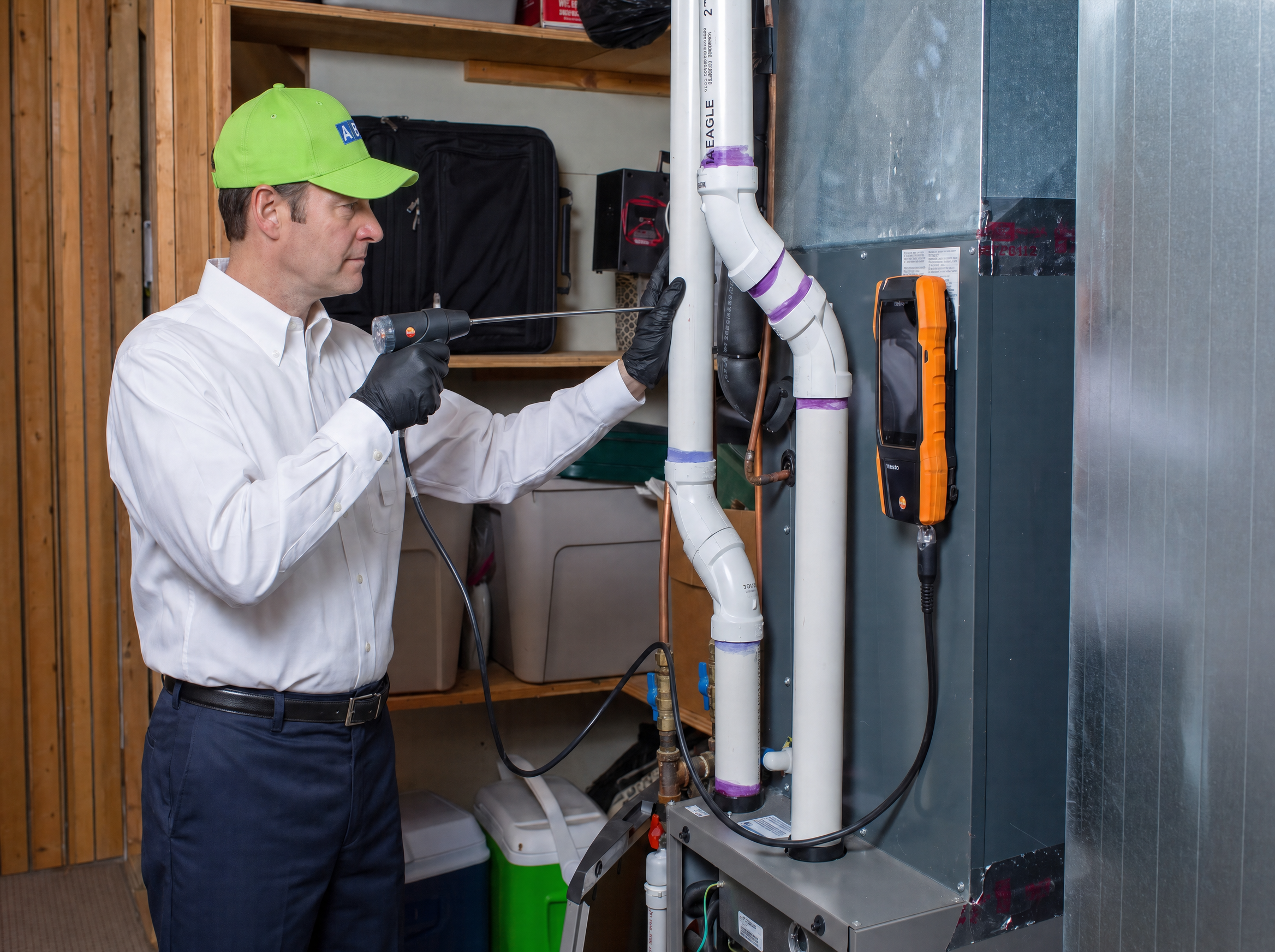
flue and vent pipe: checked for corrosion, blockages, and backdrafting, which is exhaust flowing back into the home
condensate drain (high-efficiency furnaces): checked for clogs and freeze risk
8. Final Test and Written Report
full cycle test: confirms reliable ignition, normal warming, and correct shutdown
Ask for written readings and recommended repairs before the technician leaves.
What Furnace Tune Ups Cost in Chicago
Furnace tune up cost varies by contractor and by what's included. Many Chicago-area contractors advertise promotional pricing, and the lowest number often reflects a basic check that may skip combustion and CO testing. When you ask how much a furnace tune up costs, compare scope first.
Cost drivers include furnace type and age, accessibility, condensing versus standard models, blower cleaning add-ons, and repairs quoted separately. For repair-or-replace decisions, a rule of thumb is to multiply the repair cost by the furnace's age. If the result exceeds $5,000, replacement often makes more sense. It's a guide, not a guarantee, so ask for a written estimate comparing both.
Questions to Ask Before You Hire an HVAC Contractor
These questions help you compare quotes for furnace service Chicago homeowners can trust.
Does the tune-up include combustion analysis and CO testing?
Is heat exchanger inspection included?
Will you document gas pressure and temperature rise in writing?
Are safety controls tested, or only visually inspected?
Is blower wheel cleaning included or billed separately?
Is the technician licensed and insured?
What warranty applies to parts and labor?
ABC Plumbing, Sewer, Heating, Cooling and Electric has served Chicago and Illinois homeowners for over 70 years. We offer upfront pricing and stand behind our work with a satisfaction guarantee.
Warning Signs to Watch For After a Tune Up
If you notice any of these, stop using the furnace and call a professional. If you smell gas or a CO alarm sounds, leave the home first.
soot near the furnace: a sign of incomplete combustion
yellow or flickering flames: gas flames should burn steady and blue
repeated lockouts: don't keep resetting the thermostat
burning electrical smell: potential electrical fault
loud banging or grinding: mechanical or ignition trouble
A brief dusty smell on the first heating cycle is common. Persistent burning, metallic, or fuel odors are not.
Schedule Your Chicago Furnace Tune Up With ABC
A worthwhile tune-up combines homeowner preparation with professional testing of combustion, venting, airflow, electrical parts, and safety controls.
ABC Plumbing, Sewer, Heating, Cooling and Electric has served Chicago and Illinois homeowners for over 70 years. Our licensed technicians provide upfront pricing, a satisfaction guarantee, and guarantees on equipment, parts, and labor. For dependable Chicago furnace maintenance, we're ready to help.
Contact us today to schedule your service or request an estimate.
FAQs About Furnace Tune Ups in Chicago
How long does a professional furnace tune up usually take?
Most visits take one to two hours, depending on furnace type and what the technician finds. Our furnace maintenance service includes a written report of readings.
Will skipping annual furnace maintenance void my warranty?
Many manufacturers require proof of regular maintenance, so check your warranty documents and keep your invoices. Our late summer furnace maintenance checklist can help you prepare for the visit.
Related blogs
Our Blog
VIEW ALL BLOGS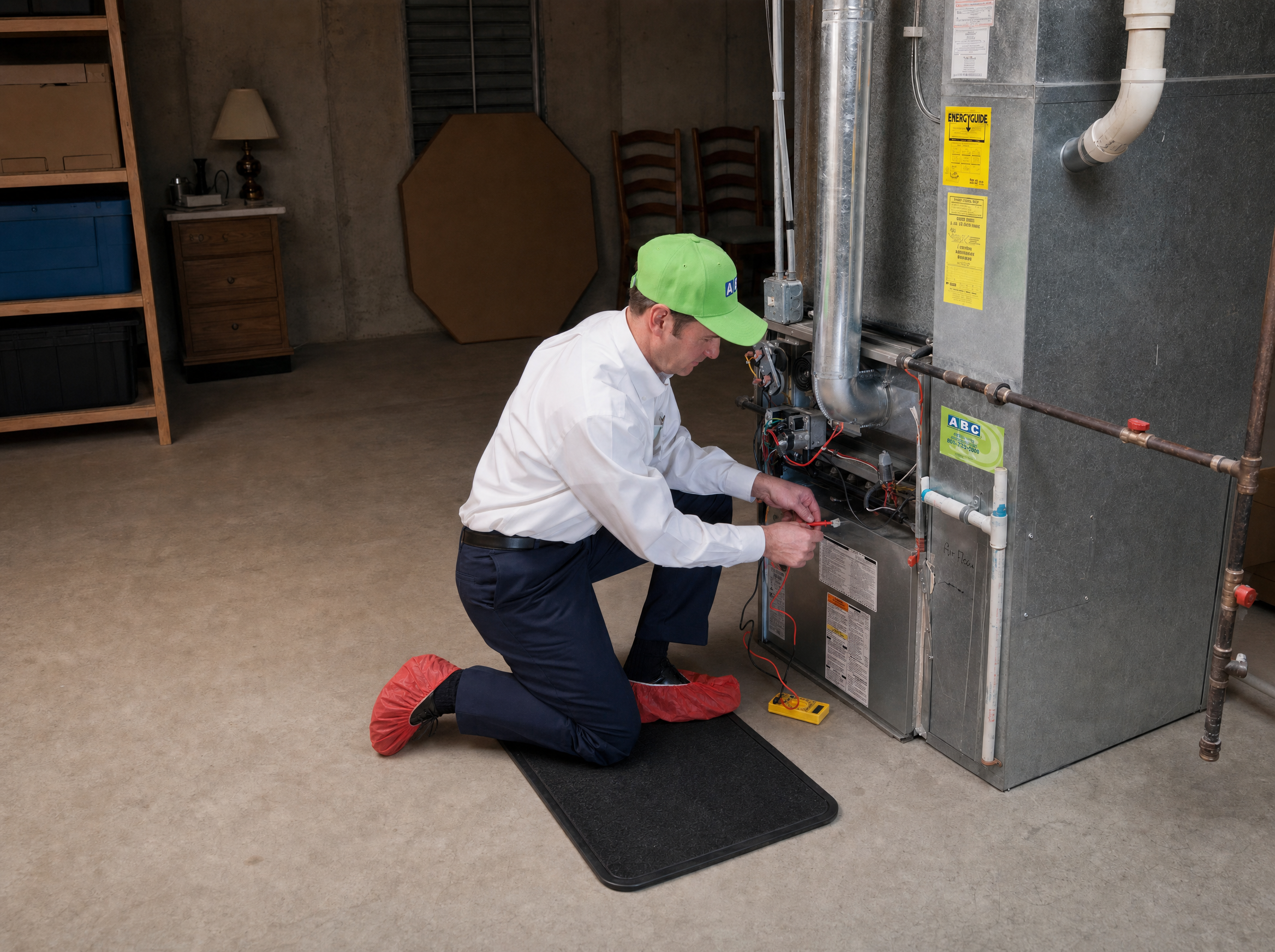
Boiler vs. Furnace: Which Heats Your Home Better?
-
How Much Does Furnace Repair Cost in Chicago, IL?
A furnace that quits during a Chicago cold snap makes every dollar question feel urgent. This guide covers what homeowners commonly pay and what moves the price.READ MORE -
Des Plaines Plumbing: DIY Fixes for Common Issues
Common plumbing problems like leaky faucets, clogged drains, running toilets, low water pressure, and water heater issues can disrupt your daily routine and lead to costly repairs if left unaddressed. This guide walks Chicagoland homeowners through practical DIY plumbing fixes, essential safety precautions, and warning signs that indicate when professional help is needed. It also covers more serious concerns, including sump pump failures, frozen or burst pipes, sewer backups, and hidden water leaks. Learn how preventive maintenance and timely service from ABC Plumbing, Sewer, Heating, Cooling & Electric can help protect your home, reduce unexpected expenses, and keep your plumbing system running smoothly year-round.READ MORE -
Tips for Selecting the Best Toilet for Small Spaces in Clearwater
Choosing the right toilet for a small bathroom can help Clearwater homeowners maximize space, improve functionality, and create a more comfortable, stylish bathroom. This guide explores space-saving options, including compact, corner, and wall-mounted toilets, along with water-efficient features like dual-flush technology that can help reduce water usage and utility costs. It also highlights the importance of selecting a reliable, high-quality toilet that complements your bathroom’s design. Learn how professional installation from ABC Plumbing, Air, Heat & Electric can help ensure proper performance, prevent leaks, and provide long-lasting peace of mind.READ MORE
Our Promises To You
-
Convenient For You
We Work on Your Schedule
-

Background Checks
We do Drug Tests And Background Checks Before Hiring
-

No Need For Stress
Get ABCs Worry-Free Guarantee at No Cost
-

No Surprises
Pricing is By the Job, Not the Hour