

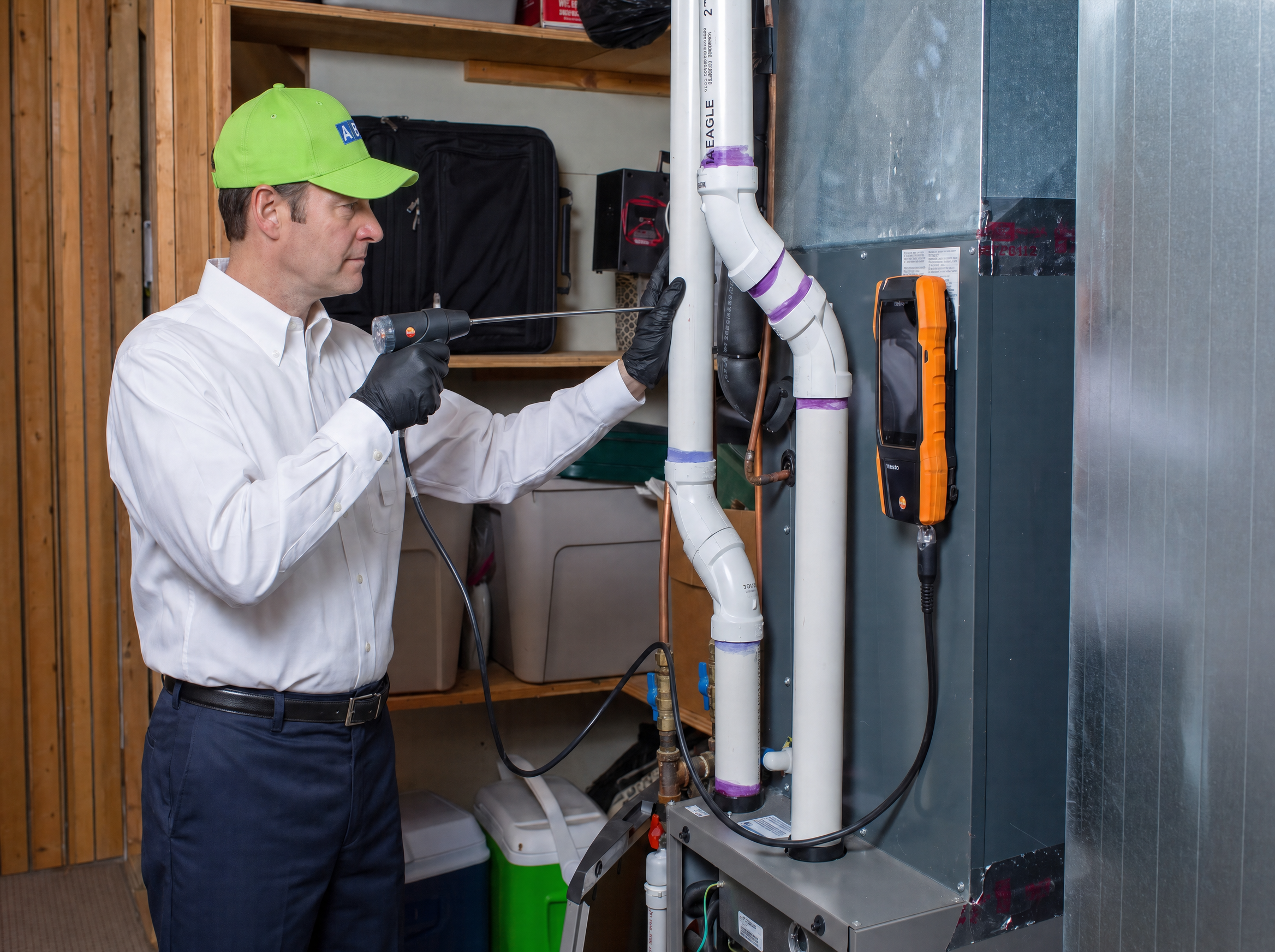
A furnace that quits during a Chicago cold snap makes every dollar question feel urgent. This guide covers what homeowners commonly pay and what moves the price.
Average Furnace Repair Cost in Chicago
Chicago homeowners commonly spend about $124 to $476 for a standard furnace repair, with an average near $291, according to Angi's Chicago data. Complex repairs involving a failed motor, control board, or heat exchanger can reach $1,000 or more.
These are third-party planning estimates, not ABC quotes. The failed part, furnace age, and time of year decide the total, and your actual price depends on a technician's diagnosis.
Repair Level | Typical Chicago Cost | What It Usually Covers |
Minor repair | $124 to $300 | Thermostat, filter, sensor, or ignition fix |
Standard repair | About $291 average | Common part plus labor |
Major repair | $1,000 or more | Motor, control board, or heat exchanger work |
Typical Range and Citywide Average
The range and average come from Angi's Chicago data, rounded. A standard repair means replacing one common part in about one to two hours. Cost data varies by source, so treat these figures as a planning window.
Where Your Money Goes Parts vs Labor
Parts: the replacement component, from a few dollars for a filter to several hundred for a motor or board.
Labor: technician time, commonly billed at $50 to $150 per hour or as a flat-rate minimum.
Diagnostic fee: the charge to find the problem.
Cost Breakdown by Common Furnace Parts
The part that failed is the biggest driver of your bill.
Furnace Part | Estimated Chicago Cost |
Ignitor | $137 to $457 |
Flame sensor | $137 to $229 |
Draft inducer motor | $183 to $1,371 |
Blower motor | $137 to $1,828 |
Gas valve | $183 to $548 |
Control board | $183 to $548 (some Chicago pricing runs up to about $1,050) |
Heat exchanger | $91 to $1,371 |
Ignitor or Flame Sensor
The ignitor lights the burners, and the flame sensor confirms the flame so gas keeps flowing. A furnace that clicks, starts, then shuts off often has a dirty or failing sensor, and cleaning it costs less than replacing it.
Draft Inducer Motor
This small fan clears exhaust gases and sets up airflow before ignition. A furnace that won't start and hums or rattles may point here, and high-efficiency condensing models cost more because of added venting and condensate parts.
Blower Motor
This motor pushes warm air through your ducts. Weak airflow or loud squealing are common signs. The wide price spread reflects standard versus variable-speed motors and OEM (original equipment manufacturer) versus aftermarket parts.
Gas Valve
This valve controls gas flow to the burners. It is safety-critical, so only a licensed technician should handle it.
Control Board
The control board is the furnace's brain, coordinating ignition, the blower, and safety switches. Quotes vary because some leave out diagnostics, programming, or wiring work.
Heat Exchanger
This metal chamber transfers heat from combustion to your home's air. A crack can let carbon monoxide into the air stream, so the furnace shouldn't run until a professional evaluates it. Working carbon monoxide detectors on every level of your home add a layer of protection. This repair most often leads to replacement, covered below.
Labor Diagnostic and Emergency Fees Homeowners Should Expect
The part is only half the bill. The visit and technician time make up the rest.
Standard Service Call Charge
A diagnostic fee covers a technician inspecting and testing your furnace to pinpoint the failure. Chicago estimates run roughly $85 to $225, so ask whether the fee is credited toward the repair if you approve the work.
Hourly Labor Rate
HVAC contractors commonly bill $50 to $150 per hour, and many apply a $100 to $200 minimum service charge. Flat-rate pricing sets one price for the job regardless of time spent, and ABC provides upfront pricing so you know the total before work starts.
After Hours Premium
Nights, weekends, and holidays usually cost more, especially during the first sustained cold snap. If your furnace still runs safely, standard-hours service can save money.
Factors That Drive Furnace Repair Price Up or Down
Furnace age and efficiency: older units may have corroded parts or several issues at once, and condensing (high-efficiency) models add PVC venting, condensate traps, and pressure switches.
Seasonal demand: winter rushes mean longer waits and higher emergency pricing, which an off-season tune-up can help you avoid.
Accessibility: tight attics, crawl spaces, and closets take longer to service than open basements.
Parts and warranty: discontinued parts may need shipping, and manufacturer warranties may cover parts but typically not labor or diagnostics.
Repair or Replace Your Furnace and the Furnace Replacement Cost Chicago Homeowners Face
Repair makes sense for a younger furnace with one failed part. Replacement deserves a look when repairs stack up.
The 5000 Rule Explained
Multiply the furnace's age by the repair cost. If the result exceeds $5,000, replacement is usually the smarter choice.
15-year-old furnace with a $400 repair: 15 x $400 = $6,000, so replacement deserves consideration.
Five-year-old furnace with a $400 repair: 5 x $400 = $2,000, so repair makes sense.
It's a rule of thumb, not a guarantee.
Average Installed Replacement Price
The furnace replacement cost Chicago homeowners report varies by source. One Chicago contractor reports installed replacement averaging near $8,400, and another estimate places typical costs around $4,900 to $8,800. Size, efficiency rating, and installation complexity change the total, and sizing follows heat loss, not square footage alone. Replacement quotes include the unit, old furnace removal, installation, venting changes, permits, and testing, so they can't be compared directly with repair prices.
Signs Replacement Makes More Sense Than Repair
Furnaces typically last 15 to 20 years.
Age: the furnace is 15 to 20 years old or older, and at 30 years, replacement is typically more economical than continued repairs.
Repeat breakdowns: you've called for repairs more than once in a heating season.
Rising bills: your gas bills climb even though your usage hasn't.
Safety concerns: a cracked heat exchanger or carbon monoxide risk.
Additional Costs Like Permits Thermostats and Duct Work
Permits: replacement in Chicago generally requires a permit, while simple repairs often don't, and licensed contractors typically pull it.
Thermostats: a failed one can mimic a furnace failure, and a smart upgrade adds cost but can reduce energy use.
Duct or vent fixes: leaky ducts or damaged venting found during a visit may add labor or materials.
Tax and disposal: quotes should state whether both are included.
How to Read an HVAC Repair Quote So You Do Not Overpay
A clear written quote protects you from surprise charges.
Must Have Line Items
diagnostic or service-call fee
labor rate or flat-rate charge
failed part and model number
parts cost, OEM or aftermarket
warranty on parts and labor
emergency, travel, or permit fees
total price including taxes
Questions to Ask Before Approving Work
Is the diagnostic fee credited toward the repair?
What test confirmed this part failed?
What warranty covers the part and labor?
Is this price final, or could it change?
ABC's upfront pricing and satisfaction guarantee mean you get clear answers to all four.
Five Ways to Save 50 on Furnace Repair and Keep Quality High
Small choices may save you roughly $50 or more per visit, though that's a possibility, not a promise.
Schedule during regular hours: weekday appointments avoid after-hours premiums.
Use your manufacturer parts warranty: check whether the failed part is still covered before approving replacement.
Join a maintenance plan: annual tune-ups catch small problems early, and ABC maintenance options can include discounts or priority scheduling.
Combine small repairs in one visit: bundling avoids paying multiple service-call fees.
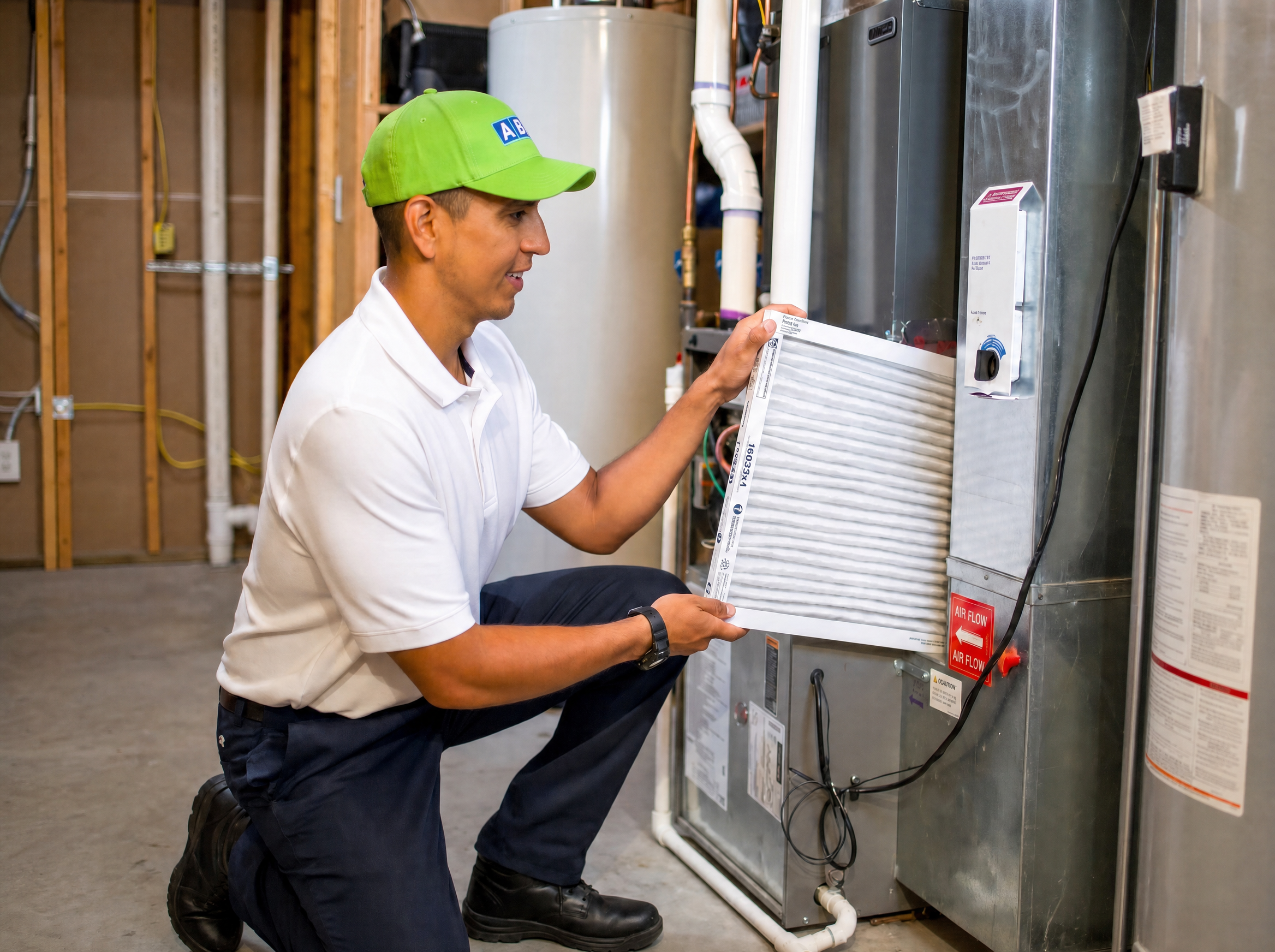
Replace your filter yourself first: a clogged filter causes many "no heat" calls, and replacing it every one to three months costs only a few dollars.
Trusted Help for Fast Furnace Repair in Chicago
The clearest way to know your cost is a technician's diagnosis. ABC has served Chicago and Illinois homeowners for over 70 years with licensed technicians, upfront pricing, and a satisfaction guarantee.
If your furnace isn't keeping up, we're ready to take a look.
Call 888-903-4070 for Same Day Service
Call 888-903-4070 to schedule your furnace repair and get an upfront price before any work begins.
FAQs About Chicago Furnace Repair Costs
Do I Need a City Permit for a Simple Furnace Repair in Chicago?
Routine repairs like replacing an ignitor or sensor typically don't require a permit, but a furnace replacement does. Confirm with your licensed contractor.
How Long Does a Typical Furnace Repair Take?
Most standard repairs take about one to three hours, though ordering a specialty part can add a day or more. Our furnace repair technicians can tell you what to expect after the diagnosis.
Is It Safe to Run My Furnace While Waiting for a Replacement Part?
If the issue involves a gas valve, carbon monoxide, or a suspected cracked heat exchanger, shut the furnace off and call a professional immediately. For minor issues, ask your technician.
Should I Tip My HVAC Technician After a Furnace Repair?
Tipping is not required or expected, though a small gratuity for exceptional service is appreciated.
Related blogs
Our Blog
VIEW ALL BLOGS
Boiler vs. Furnace: Which Heats Your Home Better?
-
Des Plaines Plumbing: DIY Fixes for Common Issues
Common plumbing problems like leaky faucets, clogged drains, running toilets, low water pressure, and water heater issues can disrupt your daily routine and lead to costly repairs if left unaddressed. This guide walks Chicagoland homeowners through practical DIY plumbing fixes, essential safety precautions, and warning signs that indicate when professional help is needed. It also covers more serious concerns, including sump pump failures, frozen or burst pipes, sewer backups, and hidden water leaks. Learn how preventive maintenance and timely service from ABC Plumbing, Sewer, Heating, Cooling & Electric can help protect your home, reduce unexpected expenses, and keep your plumbing system running smoothly year-round.READ MORE -
Tips for Selecting the Best Toilet for Small Spaces in Clearwater
Choosing the right toilet for a small bathroom can help Clearwater homeowners maximize space, improve functionality, and create a more comfortable, stylish bathroom. This guide explores space-saving options, including compact, corner, and wall-mounted toilets, along with water-efficient features like dual-flush technology that can help reduce water usage and utility costs. It also highlights the importance of selecting a reliable, high-quality toilet that complements your bathroom’s design. Learn how professional installation from ABC Plumbing, Air, Heat & Electric can help ensure proper performance, prevent leaks, and provide long-lasting peace of mind.READ MORE -
4-emergency-plumbing-tips
READ MORE
Our Promises To You
-

Convenient For You
We Work on Your Schedule
-

Background Checks
We do Drug Tests And Background Checks Before Hiring
-

No Need For Stress
Get ABCs Worry-Free Guarantee at No Cost
-

No Surprises
Pricing is By the Job, Not the Hour