

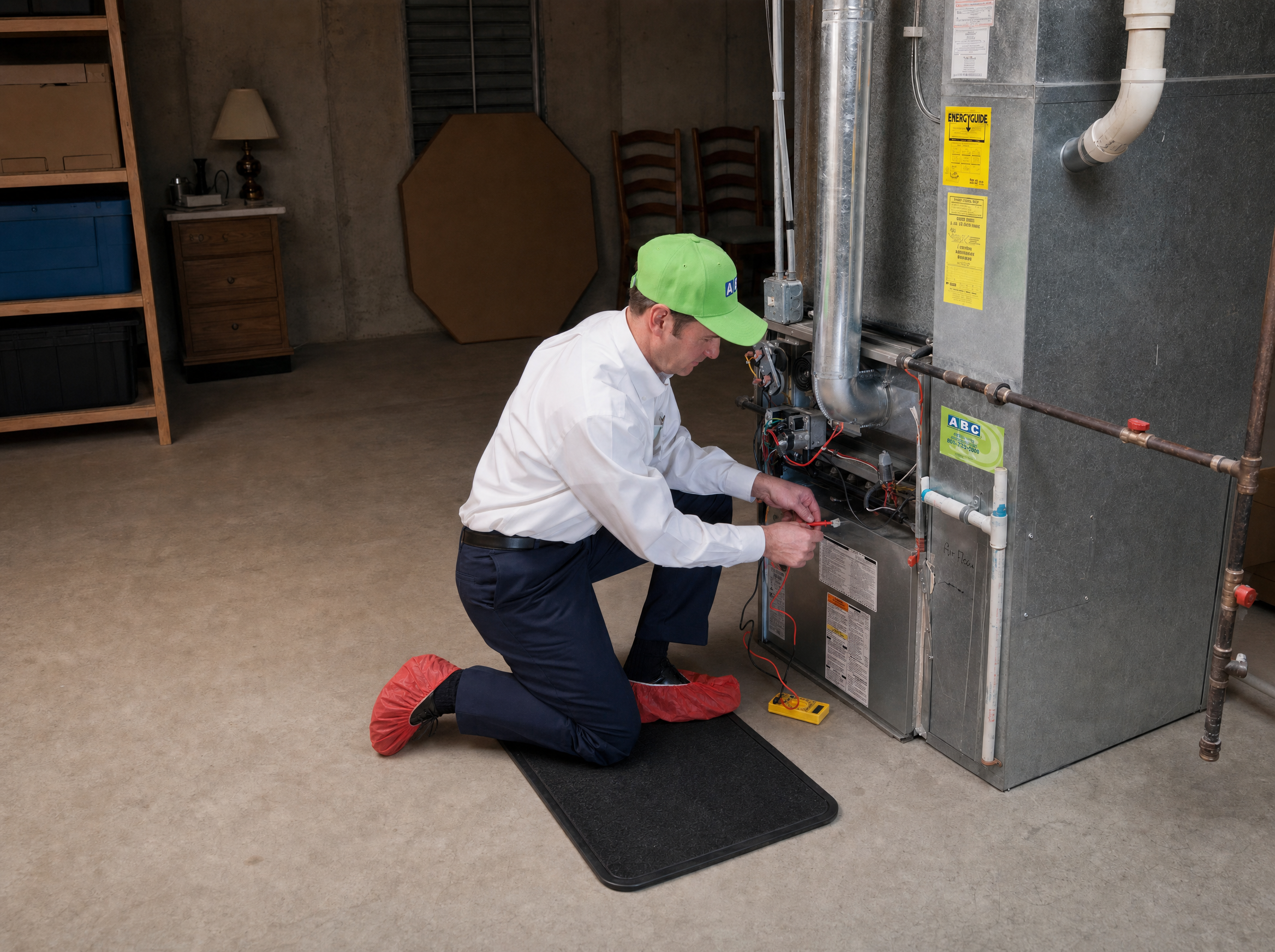
Neither system heats better in every case. In a boiler vs furnace comparison, a boiler heats water or steam for hydronic (water-based) distribution through radiators or floor tubing, which feels quieter and steadier. In furnace vs boiler terms, a furnace heats air for forced-air (blower-driven) ducts, which warms faster and pairs with central air.
What Is the Difference Between a Boiler and a Furnace
A boiler heats water or makes steam and sends it through pipes to radiators, baseboards, or in-floor tubing. A furnace heats air and pushes it through ducts with a blower. The difference between a boiler and a furnace is how heat travels, not the fuel, since both can run on natural gas, propane, oil, or electricity.
Heat medium: water or steam for a boiler, air for a furnace
Distribution: pipes and radiators for a boiler, ducts and vents for a furnace
Cooling: none from a boiler, shared ductwork for a furnace
A boiler is not a furnace, though some regions call any central heating unit a furnace. Neither is a water heater. The exception is a combination boiler, which heats your home and your household water in one unit.
How Each System Heats Your Home
How a Boiler Heats Your Home
A burner warms water, and a pump circulates it to radiators, baseboards, or radiant floor tubing. Radiant heat warms surfaces and people directly instead of blowing air. Older homes may have steam boilers, which send steam rather than hot water through the pipes.
How a Furnace Heats Your Home
A burner heats a heat exchanger, a metal chamber that keeps exhaust separate from your indoor air. A blower pushes air across it, and ducts carry the warm air to room vents while return vents pull cooler air back.
Boiler vs. Furnace Comfort, Noise, and Air Quality
Boilers usually win on steady, quiet, draft-free comfort, while furnaces usually win on fast warm-up.
Steady Radiant Warmth vs. Fast Warm-Up
Radiators and radiant floors warm furniture and people, so temperatures hold steady, though thick floor slabs respond slowly to thermostat changes. A furnace can warm a room within minutes. In our service calls, leaky or unbalanced ducts are the most common reason a forced-air home has hot and cold rooms.
Drafts, Dust, and Allergens
Boilers do not stir up dust or pet dander, but they do not filter air either. A furnace filter or air cleaner can improve indoor air when the system is maintained, while a dirty filter does the opposite. Boilers run quietly, and furnaces add some blower and burner noise.
Boiler vs. Furnace Energy Efficiency and Fuel Use
Neither is automatically more efficient, and installation quality matters as much as the label. AFUE (annual fuel utilization efficiency) shows how much fuel becomes heat, so a 95% rating means about 95 cents of every fuel dollar becomes usable heat. Actual results vary with sizing, maintenance, and distribution losses.
AFUE Ratings for Boilers and Furnaces
According to the U.S. Department of Energy, typical ratings are:
Furnaces: about 80% to 98% AFUE
Boilers: about 80% to 95% AFUE
Condensing models: capture extra heat from exhaust vapor and sit at the high end
Gas, Oil, and Electric Fuel Costs
Fuel type and local rates drive operating cost more than system type, so a gas boiler vs gas furnace comparison often comes out close when both are equally efficient and properly installed.
Boiler vs. Furnace Installation Costs and Conversion Considerations
Keeping the distribution system you already have is usually the cheapest and least disruptive path. Costs vary by home size, fuel, efficiency, and labor, and our boiler installation estimates include upfront pricing.
Boiler and Furnace Conversion
Boiler to furnace: requires new ductwork, vents, and often wall access
Furnace to boiler: requires new piping, radiators, pumps, and controls
Cooling: boiler homes need ductless mini-splits, small wall-mounted units that cool without ducts
How Long Boilers and Furnaces Last and What Maintenance They Need
The Department of Energy notes that boilers commonly last about 15 to 30 years and gas furnaces about 15 to 20 years. These are typical figures, not guarantees. Annual service and installation quality often matter more than system type.
Boiler Maintenance Tasks
Annual inspection: burner, heat exchanger, venting, and safety controls
Pressure checks: expansion tank, relief valve, and water level
Radiators: bleeding, which means releasing trapped air, as needed
Furnace Maintenance Tasks
Filter changes: every one to three months
Annual inspection: burner, ignition, heat exchanger, and venting
Airflow checks: blower motor and duct condition
Place carbon monoxide detectors on every level of your home with either system, and schedule an annual professional tune-up.
Which Is Better for Your Home Boiler or Furnace
Boilers lead on comfort, quiet, and radiant heat, while furnaces lead on speed, cooling, and filtration. So is a furnace or boiler better? It depends on your home.
If This Describes Your Home | Choose |
You have radiators or radiant floors | Boiler |
You have ductwork and want central air | Furnace |
You value quiet, even, draft-free heat | Boiler |
You are building new or renovating heavily | Either, based on a heat-loss calculation |
Budget and Timeline
A heat-loss calculation, a measure of how much heat your home loses, prevents oversized equipment that cycles too often and wastes energy. Weigh upfront cost against comfort and long-term efficiency.
Do I Have a Furnace or a Boiler
Most homeowners can tell within a minute.
Radiators or baseboard heaters: point to a boiler
Floor or ceiling vents: point to a furnace
Tank-style unit with a pressure gauge: points to a boiler
A boiler is both HVAC and plumbing, since it involves piping and water pressure along with combustion and controls. ABC technicians are trained in both trades, which is why licensed expertise matters.
When to Call a Licensed HVAC Professional
Heating decisions involve gas, venting, and combustion, so a licensed technician protects your safety and your investment.
Signs Your Furnace or Boiler Needs Replacement
System age past 15 years
Rising energy bills with no change in use
Uneven heating from room to room
Rust, leaks, or yellow burner flames
A yellow flame, soot, or a carbon monoxide alarm requires immediate service, and you should call emergency services if anyone feels ill. Our guide on when to replace your furnace explains what we look for during an inspection.
What a Professional Heat-Loss Calculation Includes
A technician measures your insulation, windows, air leakage, and layout to size equipment in BTUs, or British thermal units, a measure of heat output. This replaces guessing by square footage. ABC provides upfront pricing and a satisfaction guarantee.
FAQs About Boilers and Furnaces
Does a furnace heat your household water?
No. A furnace heats only air, and your household water comes from a separate water heater unless you have a combination boiler.
Is a boiler cheaper to run than a furnace?
Not automatically. Operating cost depends on fuel price, AFUE rating, installation quality, and insulation.
How much does a boiler cost for a 2,000-square-foot house?
The price depends on boiler type, efficiency, fuel, and whether your home needs new piping or radiators. A heat-loss calculation lets a technician give you an accurate price, and you can learn more about our boiler installation process.
How do I know when to replace my furnace?
Age, repair frequency, and rising bills are the main signs. Our article on replacing your furnace walks through each one.
Get Reliable Advice From ABC Plumbing, Sewer, Heating, Cooling and Electric
A boiler tends to feel steadier and quieter, while a furnace heats faster and pairs with central air. The best choice fits your existing system and your comfort goals.
ABC's licensed technicians offer upfront pricing and a satisfaction guarantee, and we have served Chicago-area customers for over 70 years. Contact us today to schedule your service or request an estimate.
Related blogs

Our Blog
VIEW ALL BLOGS
How Much Does Furnace Repair Cost in Chicago, IL?
-
Des Plaines Plumbing: DIY Fixes for Common Issues
Common plumbing problems like leaky faucets, clogged drains, running toilets, low water pressure, and water heater issues can disrupt your daily routine and lead to costly repairs if left unaddressed. This guide walks Chicagoland homeowners through practical DIY plumbing fixes, essential safety precautions, and warning signs that indicate when professional help is needed. It also covers more serious concerns, including sump pump failures, frozen or burst pipes, sewer backups, and hidden water leaks. Learn how preventive maintenance and timely service from ABC Plumbing, Sewer, Heating, Cooling & Electric can help protect your home, reduce unexpected expenses, and keep your plumbing system running smoothly year-round.READ MORE -
Tips for Selecting the Best Toilet for Small Spaces in Clearwater
Choosing the right toilet for a small bathroom can help Clearwater homeowners maximize space, improve functionality, and create a more comfortable, stylish bathroom. This guide explores space-saving options, including compact, corner, and wall-mounted toilets, along with water-efficient features like dual-flush technology that can help reduce water usage and utility costs. It also highlights the importance of selecting a reliable, high-quality toilet that complements your bathroom’s design. Learn how professional installation from ABC Plumbing, Air, Heat & Electric can help ensure proper performance, prevent leaks, and provide long-lasting peace of mind.READ MORE -
4-emergency-plumbing-tips
READ MORE
Our Promises To You
-

Convenient For You
We Work on Your Schedule
-

Background Checks
We do Drug Tests And Background Checks Before Hiring
-

No Need For Stress
Get ABCs Worry-Free Guarantee at No Cost
-

No Surprises
Pricing is By the Job, Not the Hour