

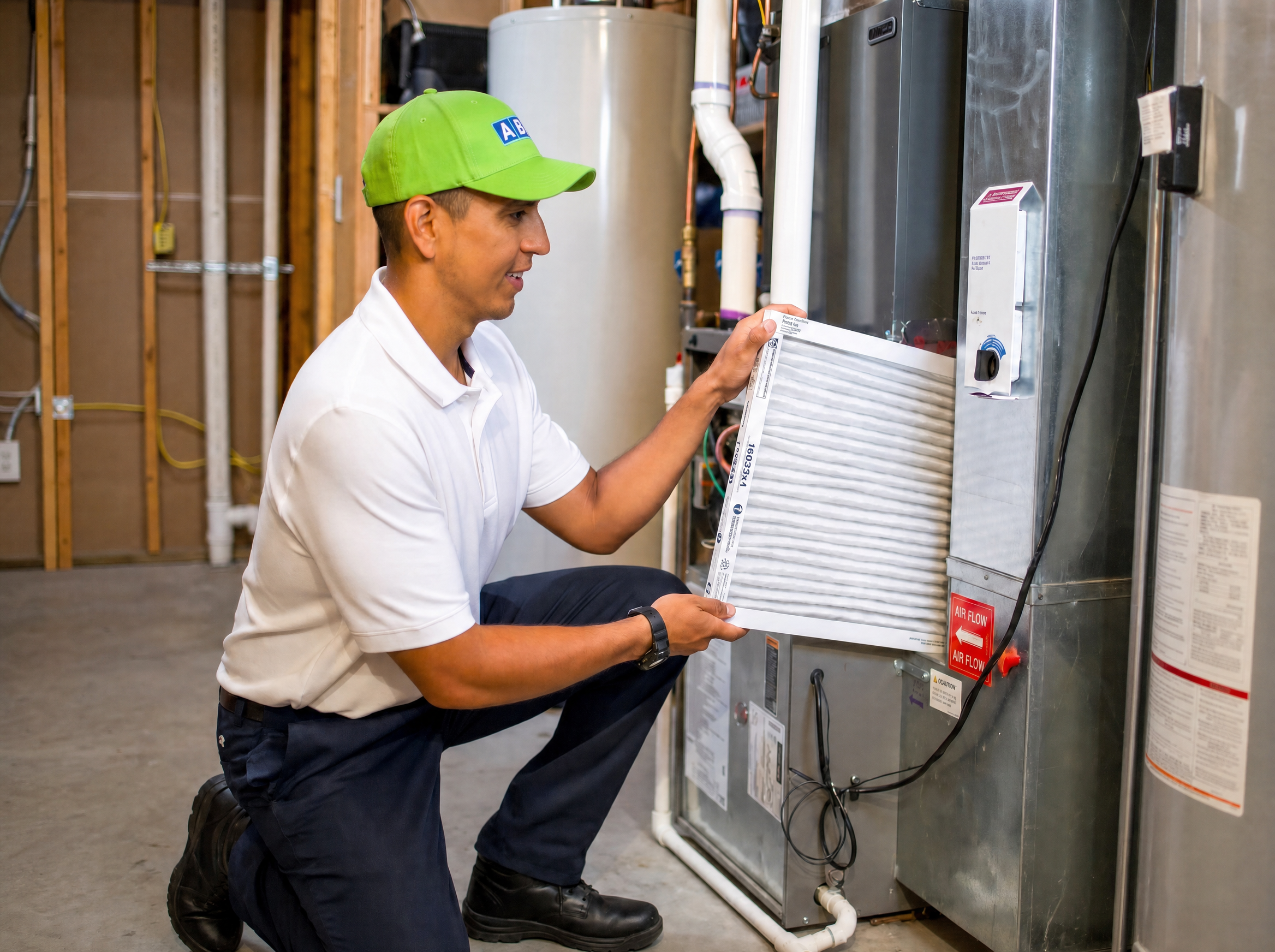
Unusual noises, weak or uneven airflow, short cycling, rising heating bills, strange odors or an abnormal burner flame, trouble starting or staying on, and cold spots are the seven signs your furnace needs repair. Catching them in fall matters because a furnace that struggles now can fail during the first subzero stretch.
Why Fix Furnace Problems Before A Wisconsin Winter
A Wisconsin winter brings long subzero stretches, and your furnace works hardest when the weather is harshest. Repair and tune-up appointments fill quickly after the first cold snap, so scheduling early gives you more options.
A furnace can seem fine while an airflow, ignition, or safety problem develops underneath. Our licensed technicians see this often, so we flag below which signs call for shutting the furnace off right away.
Seven Warning Signs Your Furnace Needs Repair
1. Loud Or Unusual Furnace Noises
A healthy furnace hums steadily. A furnace making noise that's new or louder is sending a signal.
Banging or booming: Delayed ignition, where gas builds up before lighting, or dirty burners.
Rattling: A loose panel, worn motor mount, or ductwork issue.
Squealing or whining: A worn belt or failing bearings in the blower motor, the part that pushes heated air through your vents.
Grinding or scraping: Damaged bearings or an unbalanced blower wheel.
Popping: Usually harmless duct expansion.
Shut the furnace off for grinding, and call promptly for any loud bang at ignition.
2. Weak Or Uneven Airflow
You may notice little air from the vents or a furnace that runs longer than usual.
Clogged filter: A dirty filter restricts airflow.
Blocked vents or return grilles: Furniture or drapes choke off air.
Failing blower motor or dirty blower wheel: Either one moves less air.
Leaky or disconnected ductwork: Heated air escapes before reaching the room.
Weak airflow throughout the house points to the filter, blower, or main ducts. One or two affected rooms point to a local duct problem. Restricted airflow can make the furnace overheat, so check the filter first and call a technician for the rest.
3. Short Cycles Or Nonstop Operation
Furnace short cycling means the system turns on and off repeatedly before finishing a normal heating cycle. The opposite problem is a furnace that runs almost nonstop without reaching the thermostat setting.
Short cycling causes: A dirty flame sensor (the small rod that confirms the burners are lit), overheating, a faulty limit switch (a safety control that shuts the furnace down when it gets too hot), or an oversized furnace.
Constant running causes: Duct leaks, poor insulation, or undersized or aging equipment.
Every restart wears on the igniter, motor, and controls. Repeated resets can hide an overheating problem, so call a professional if the pattern continues.
4. Sudden Spikes In Energy Bills
A higher bill alone doesn't prove your furnace is failing, since colder weather and rate increases also matter. Compare energy use in therms, not just dollars, against the same months last year.
Dirty burners: Poor combustion wastes fuel.
Duct leakage: Heated air escapes before reaching your rooms.
Aging ignition or controls: Worn parts run inefficiently.
A spike paired with longer cycles, uneven rooms, or noise is a stronger signal.
5. Persistent Odors Or Yellow Burner Flame
Odors and flame color are both combustion and safety signals.
Warning Sign | What It May Mean | What To Do |
Dusty smell at first startup | Normal burn-off of summer dust | It should fade quickly. |
Burning plastic or electrical smell | Overheating wire or motor | Shut off the furnace and call for service. |
Musty smell | Moisture or contamination in the furnace or ducts | Schedule an inspection. |
Rotten-egg or sulfur smell | Possible gas leak | Leave the home and call the gas utility or 911. |
Yellow, orange, or flickering flame, or soot | Incomplete combustion | Shut off the furnace and call a professional. |
Carbon monoxide is an odorless, colorless gas that incomplete combustion can produce, so smell alone can't protect you. A cracked heat exchanger, the metal chamber that keeps combustion gases out of your home's air, is a serious risk. The U.S. Consumer Product Safety Commission lists these exposure symptoms:
headache
dizziness
nausea
confusion
unusual fatigue
Keep working carbon monoxide alarms on every level and near sleeping areas. A healthy flame is mostly steady and blue. Never adjust burners or gas pressure yourself.
6. Startup Failures Or Early Shutoffs
You may see the thermostat call for heat with no response, burners that light and then shut off, or a furnace that starts only after several tries.
Likely cause: A failed igniter, dirty flame sensor, faulty control board, pressure switch problem, blocked vent, or thermostat malfunction.
Safe checks include confirming the thermostat is set to heat, checking that the furnace has power, checking the filter, and looking for a tripped breaker. Beyond those, repeated resets are not a substitute for diagnosis.
7. Cold Spots Or Rooms That Never Warm Up
This overlaps with sign two, but it's really about whole-home balance. Duct leaks, poor insulation, room layout, thermostat placement, and an aging furnace can each leave a furnace not heating evenly.
Space heaters in certain rooms: The furnace isn't covering the whole home.
A big temperature gap between floors: Heat distribution is out of balance.
A thermostat that never reaches its setting: The system may be undersized or losing heat.
Uneven heating doesn't always mean the furnace is defective, which is why an inspection is worth scheduling.
What To Check Yourself Before You Call A Pro
Replace The Filter And Open All Vents
Check the filter monthly during heating season and replace it when it's dirty, typically every one to three months. Keep registers and return grilles clear.
Test Thermostat Settings And Batteries
Set the thermostat to heat, raise it a few degrees, and confirm the furnace responds. Replace the batteries if the display is blank.
Confirm The Burner Flame Is Steady And Blue
Use the flame guidance in sign five. Don't disassemble burners or bypass safety controls. If anything looks off, call a licensed technician.
Average Furnace Repair Cost In Wisconsin
Furnace repair cost depends on the part, the furnace's age and brand, and labor.
Repair Type | Typical Cost Range | Notes |
Flame sensor cleaning or replacement | Lower | Often a quick fix. |
Igniter or thermostat replacement | Lower to moderate | Varies by model. |
Blower motor or control board replacement | Moderate to higher | Depends on furnace age and brand. |
A diagnostic fee is common. ABC provides upfront pricing on every furnace repair in Wisconsin, so you know the cost before work begins. Catching small problems early usually costs less than repairing damage from a failing furnace.
When Repair Isn't Enough And Replacement Makes Sense
The U.S. Department of Energy notes that furnaces typically last 15 to 20 years with good maintenance. Wisconsin's heavy heating demand can wear equipment faster.
The "$5,000 rule" is a simple guide: multiply the furnace's age by the repair estimate. If the result exceeds $5,000, replacement is usually the smarter investment. A 14-year-old furnace with a $400 repair gives you $5,600.
Furnace at or past its expected lifespan: Reliability drops with age.
Frequent repairs: Repeated service calls add up.
Cracked heat exchanger: This is a safety issue, not just a cost issue.
Multiple major components failing: The system is wearing out.
The seven signs point to the need for an evaluation, not automatic replacement.
How Routine Maintenance Prevents Emergency Repairs
A furnace tune-up is a professional inspection, cleaning, and adjustment of the furnace's key components. Our Wisconsin heating services typically include:
inspecting the heat exchanger
testing safety controls
cleaning burners and the flame sensor
checking the igniter
measuring airflow
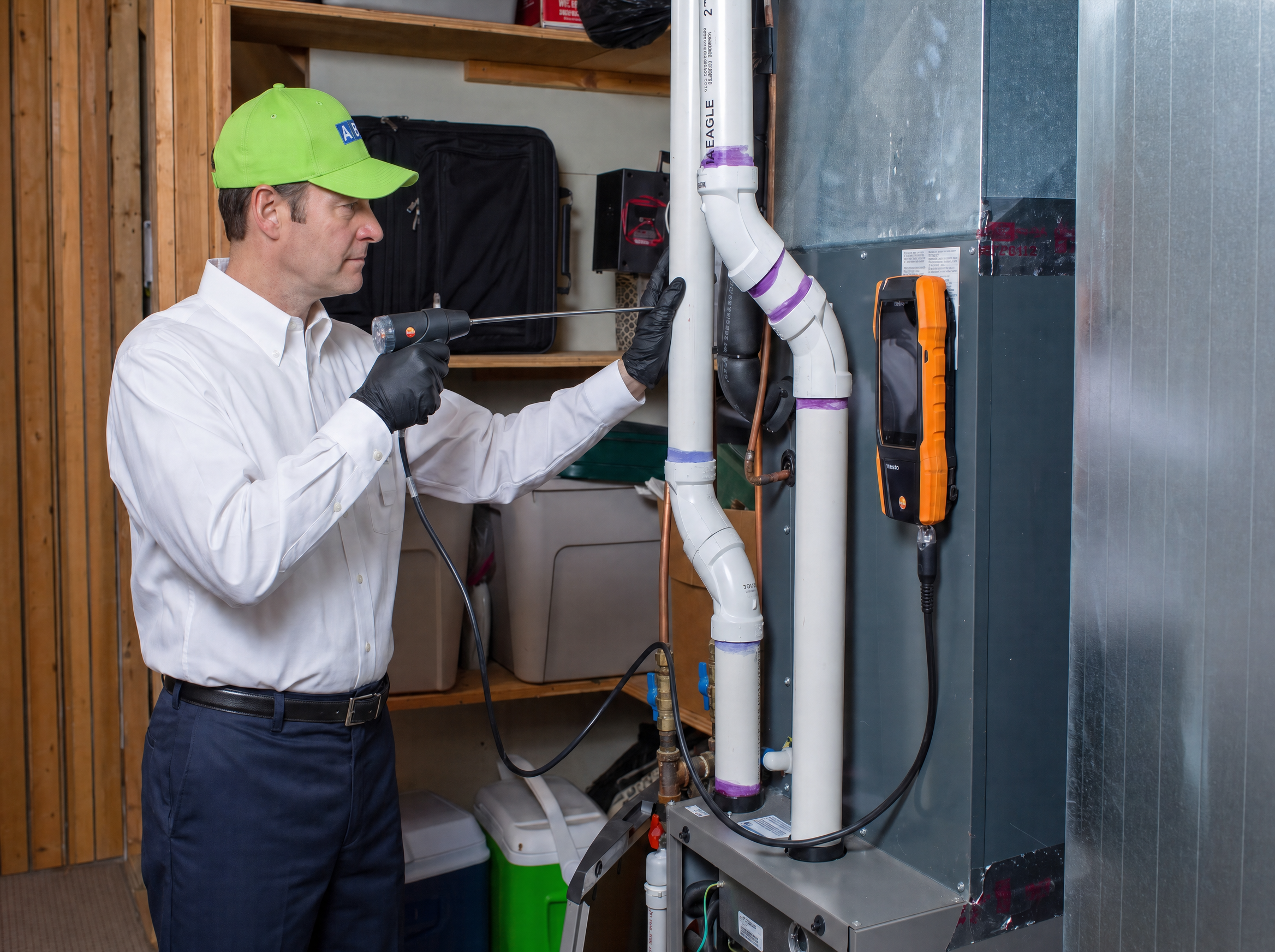
verifying carbon monoxide safety
Schedule furnace maintenance in early fall, before the first sustained cold period. Regular service can also help protect manufacturer warranties, so check your warranty terms.
Get Trusted Same-Day Furnace Repair From ABC Plumbing, Sewer, Heating, Cooling And Electric
Catching furnace problems now means a warm, safe home when Wisconsin temperatures drop. ABC's licensed technicians provide upfront pricing, a satisfaction guarantee, and a commitment to doing the job right the first time. Contact us today to schedule your service or request an estimate.
FAQs About Furnace Repair In Wisconsin
How long do furnaces usually last in Wisconsin?
Most last about 15 to 20 years, depending on maintenance and winter use. Our heating team can assess your system's age and condition.
Can I still use my furnace if the burner flame looks wrong?
Shut it off and call a licensed technician, since an abnormal flame can signal carbon monoxide risk. Schedule furnace repair before using it again.
Should I schedule furnace repair in fall or wait until winter?
Early fall gives you more appointment options and avoids peak-demand delays during the first cold snap.
Related blogs

Our Blog
VIEW ALL BLOGS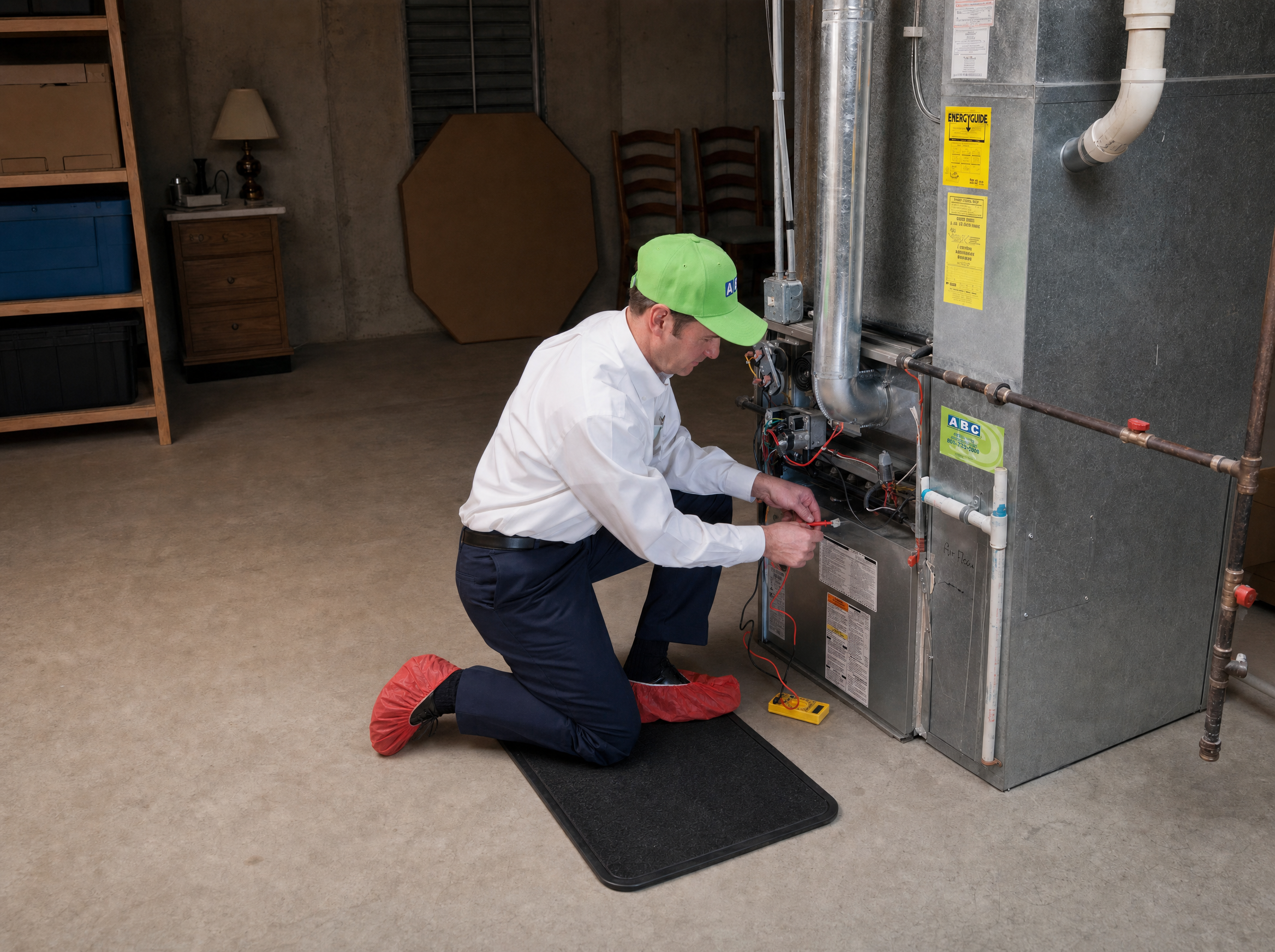
Boiler vs. Furnace: Which Heats Your Home Better?
-
How Much Does Furnace Repair Cost in Chicago, IL?
A furnace that quits during a Chicago cold snap makes every dollar question feel urgent. This guide covers what homeowners commonly pay and what moves the price.READ MORE -
Des Plaines Plumbing: DIY Fixes for Common Issues
Common plumbing problems like leaky faucets, clogged drains, running toilets, low water pressure, and water heater issues can disrupt your daily routine and lead to costly repairs if left unaddressed. This guide walks Chicagoland homeowners through practical DIY plumbing fixes, essential safety precautions, and warning signs that indicate when professional help is needed. It also covers more serious concerns, including sump pump failures, frozen or burst pipes, sewer backups, and hidden water leaks. Learn how preventive maintenance and timely service from ABC Plumbing, Sewer, Heating, Cooling & Electric can help protect your home, reduce unexpected expenses, and keep your plumbing system running smoothly year-round.READ MORE -
Tips for Selecting the Best Toilet for Small Spaces in Clearwater
Choosing the right toilet for a small bathroom can help Clearwater homeowners maximize space, improve functionality, and create a more comfortable, stylish bathroom. This guide explores space-saving options, including compact, corner, and wall-mounted toilets, along with water-efficient features like dual-flush technology that can help reduce water usage and utility costs. It also highlights the importance of selecting a reliable, high-quality toilet that complements your bathroom’s design. Learn how professional installation from ABC Plumbing, Air, Heat & Electric can help ensure proper performance, prevent leaks, and provide long-lasting peace of mind.READ MORE
Our Promises To You
-
Convenient For You
We Work on Your Schedule
-

Background Checks
We do Drug Tests And Background Checks Before Hiring
-

No Need For Stress
Get ABCs Worry-Free Guarantee at No Cost
-

No Surprises
Pricing is By the Job, Not the Hour