

In this article, you will learn:
Tankless water heaters can provide water just as hot as traditional tank models, but consistent temperature depends on proper sizing and household demand.
Climate and incoming water temperature impact performance, with colder regions requiring higher-powered units to achieve the same hot water output.
Professional installation and regular maintenance are key to preventing temperature drops, improving efficiency, and ensuring reliable long-term operation.
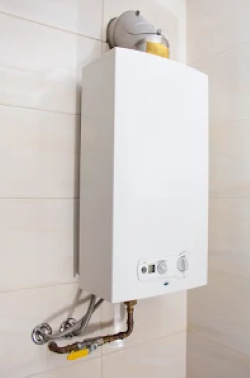
Many homeowners considering the switch from a conventional tank-style water heater to a tankless (or on-demand) water heater often ask one major question: Can tankless water heaters provide water that’s just as hot as traditional tank models?
The short answer is yes—but there’s more to it than simply matching temperature numbers. In this post, we’ll explore how tankless systems measure up in performance, what factors affect their heating capacity, and how to ensure you get the right unit for your home’s needs.
How Do Tankless and Tank Water Heaters Compare in Temperature?
Most tank water heaters maintain a set temperature, typically around 120°F, and store hot water ready for use. Because they hold hot water in reserve, these systems don’t need to "heat up" on demand but rely on a tank size to ensure a constant supply.
Tankless water heaters, on the other hand, don’t store hot water. They heat water as it passes through the system, often with adjustable thermostats ranging from 100°F to 140°F. However, achieving high temperatures consistently depends on several variables, such as water flow rate and incoming water temperature.
Factors Affecting Tankless Water Heater Performance
1. Climate and Water Supply Temperature
Tankless water heaters are rated by the rise in water temperature they can produce. For instance, in a colder climate like Chicago, where the incoming water temperature may be as low as 40°F, a tankless water heater will need to work harder to reach the same hot water temperature compared to warmer climates like Arizona, where the incoming water may be 70°F. This variation directly affects the efficiency and output of tankless models.
2. Sizing the Unit for Your Household
Unlike tank models that store hot water, a tankless system's ability to deliver hot water depends on its flow rate. A larger household with multiple simultaneous water demands (e.g., showers, dishwashers, and washing machines running at the same time) will need a larger unit or possibly multiple units to maintain the desired temperature. Incorrect sizing can lead to issues with water not being as hot when multiple sources are in use.
Expert Tip: To avoid temperature drops, calculate your household’s peak water demand and ensure the unit can handle the gallons-per-minute (GPM) required.
Tankless vs. Tank Water Heater Efficiency
One of the biggest advantages of tankless systems is their energy efficiency. Since they only heat water when needed, they can save significant energy over time, especially when sized correctly. This is in contrast to tank models, which continuously expend energy to keep stored water hot.
However, in colder climates, where more energy is required to heat the incoming water, the efficiency benefits may slightly decrease due to the heater working harder. It’s important to balance energy savings with performance needs by ensuring your tankless system is appropriately sized.
Do You Need a Larger Tankless Water Heater in Cold Climates?
In colder regions, such as the Midwest or the Northeast, a tankless water heater needs a higher BTU (British Thermal Unit) rating to compensate for the colder incoming water temperatures. The difference in the temperature rise required is significant. For instance, in Chicago, where the water temperature might be 40°F, the heater needs to increase the water temperature by at least 80°F to provide 120°F hot water.
In contrast, someone in a warmer region like Florida may only need a 50°F rise. Homeowners in colder climates should look for models specifically rated for high temperature rise or consider hybrid systems that combine the best of both tank and tankless technology.
Why Does a Tankless Water Heater Go Cold?
The Importance of Professional Installation and Maintenance
Installing a tankless water heater can be more complex than a traditional tank system due to its higher gas or electric power requirements, especially for larger units. A professional installer will ensure the unit is sized correctly, vented properly, and meets all local building codes. Additionally, regular maintenance, including descaling, is crucial in areas with hard water to prevent mineral buildup and maintain efficiency.
Tankless Water Heaters: The Right Choice for Your Home?
Choosing between a tankless and conventional water heater depends on various factors, including climate, household water demand, and your long-term energy goals. Tankless systems are highly efficient and space-saving, but they require careful consideration when it comes to sizing and climate.
What's Next?
Both tankless and conventional water heaters can provide ample hot water for your household, but the key lies in selecting the right system for your unique needs. If you’re unsure which water heater is best for you, consider consulting with an expert to assess your home’s water heating requirements.
For personalized advice, feel free to contact ABC Plumbing, Sewer, Heating, Cooling and Electric if you live in Illinois and ABC Plumbing, Air & Heat if you live in Florida. We’re here to help you make the best choice for your home.
ABC Plumbing offer water heater repair services in Chicagoland and Florida. To schedule a visit, call us now at (888) 991-3942.
Also check the following blog post: What's the Purpose of a Water Heater Expansion Tank?
Ready to fix that dripping faucet for good? Contact ABC Plumbing, Sewer, Heating, Cooling and Electric today! Call us to schedule an appointment. We’re here to provide fast, professional plumbing services you can trust.
ABC Plumbing Locations
Arlington Heights, IL220 W Campus Dr | Largo, FL11701 S Belcher Rd Suite 127 |
Downers Grove, IL1001 Ogden Ave LL4 | Tampa, FL4326 W El Prado Blvd Suite 7 |
Evanston, IL828 Davis St UNIT 205 | |
Related blogs

Our Blog
VIEW ALL BLOGS
Palm Harbor Electrical Panel & Service Upgrade Costs
-
McHenry, IL Heating System Repairs: 5 Common Furnace Issues
Furnace problems can quickly become serious during a Chicagoland winter. This guide covers five common issues—including no heat, short cycling, cold air, strange noises, ignition problems, and uneven heating—along with safe troubleshooting steps homeowners can try first. It also explains when to call a professional, how annual maintenance can prevent breakdowns, and when replacing an aging furnace may make more sense than another repair.READ MORE -
Winter is Coming: Ensure Your Heater is Ready in Chicagoland
Preparing your heating system before Chicagoland’s coldest weather arrives can help prevent unexpected breakdowns, improve energy efficiency, and keep your home comfortable all winter. This article highlights the importance of regular heater and furnace maintenance, professional inspections, and early service to identify potential problems before they become costly emergencies. With proactive maintenance and trusted professional support, homeowners can enjoy greater reliability, efficiency, and peace of mind throughout the heating season.READ MORE -
Saint Petersburg HVAC: Indoor Air Quality Costs & Installation
Whole-house humidity control can improve comfort and indoor air quality, but choosing the right system is especially important in Tampa Bay’s climate. This guide explains what affects whole-house humidifier installation costs, compares bypass, fan-powered, and steam humidifiers, and outlines installation and maintenance considerations. It also helps homeowners determine whether a humidifier or dehumidifier is the better solution based on indoor humidity levels, symptoms, and the needs of their home.READ MORE
Our Promises To You
-

Convenient For You
We Work on Your Schedule
-

Background Checks
We do Drug Tests And Background Checks Before Hiring
-

No Need For Stress
Get ABCs Worry-Free Guarantee at No Cost
-

No Surprises
Pricing is By the Job, Not the Hour