

In this article, you will learn:
Thermal expansion increases pressure in modern closed plumbing systems, making a water heater expansion tank essential to prevent damage to pipes, valves, and the water heater itself.
A water heater expansion tank absorbs expanded water, regulating pressure and protecting plumbing components from leaks, water hammer, and premature failure.
Homes without an expansion tank may experience dripping relief valves, frequent plumbing repairs, and pipe stress, making installation a smart, code-compliant preventive solution.
As water heats up in a water heater, it naturally expands, a process known as thermal expansion. This expansion increases the volume of water, leading to excess pressure within the water heater's tank. In the past, this expanding water would simply flow back into the municipal water supply where it originated. However, modern plumbing systems are equipped with check valves that prevent water from flowing backward into the public supply, reducing the risk of contamination.
The check valve ensures that the water inside your home stays separate from the external supply, but it also traps the expanding water within the system. Without a way to relieve the increased pressure, this can lead to damage to your pipes, water heater, and plumbing fixtures. This is where the water heater expansion tank comes into play.
What is a Water Heater Expansion Tank?
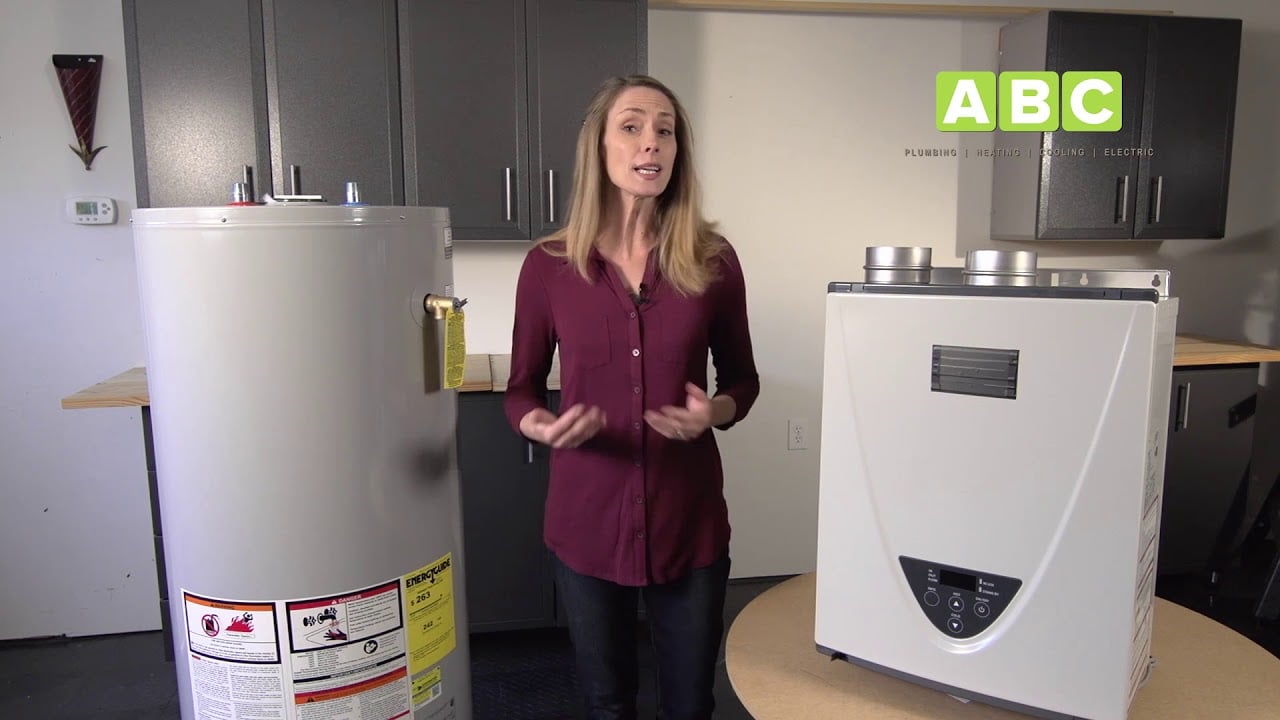
A water heater expansion tank, also known as a thermal expansion tank, is a small, secondary tank that attaches to the water supply pipe leading to the water heater. To answer the question 'what does an expansion tank do,' its primary role is to absorb the extra volume created when water heats up and expands. The water heater expansion tank is clear: by providing this additional space, it prevents dangerous pressure from building up in your water heater and plumbing system.
How Does A Water Heater Expansion Tank Work?
The expansion tank, also referred to as a potable water expansion tank, is divided into two chambers: one filled with air and the other meant to hold water. As the water in the heater expands, it flows into the tank, compressing the air in the other chamber. This compression relieves the pressure within the closed water system. By regulating pressure in this way, the tank protects vulnerable components like:
- Valves in plumbing fixtures
- Joints in supply pipes
- Seals and gaskets within the water heater itself
Without this pressure relief provided by an expansion tank for water heater systems, over time, these components can fail, resulting in leaks, broken pipes, or a damaged water heater.
How Does Thermal Expansion Occur in Water Heaters?
Thermal expansion is a basic principle of physics. When water is heated, its molecules move faster and spread out, increasing the volume. In a confined space like a water heater, this expanded water has no room to go unless an expansion tank is present.
The amount of expansion depends on the temperature change:
- Water expands by approximately 4% when it heats from 40°F to 212°F. While this may seem like a small increase, in a closed system, even a slight expansion can cause significant pressure buildup.
- In homes without an expansion tank, this pressure can manifest as water hammer, leaking faucets, or even burst pipes.
What if My Water Heater Doesn't Have an Expansion Tank?
Why Some Homes Don’t Have Expansion Tanks
Many homes built before certain plumbing codes were enacted may not have an expansion tank, as they were not a standard requirement. In older systems, open water systems allowed the expanding water to flow back into the city’s water lines. However, in most modern homes with closed water systems (due to check valves or pressure-regulating valves), this is no longer possible.
"Do I Really Need an Expansion Tank on My Water Heater?"
In short, yes. If your home doesn’t have an expansion tank, you could still be at risk of pressure-related issues. Here's what you might notice:
- Rapidly deteriorating washers in faucets and fixtures
- Frequent dripping from the water heater’s pressure relief valve
- Increased water hammer (loud banging sounds in the pipes)
These symptoms may indicate that your system is struggling to manage the excess pressure. Installing an expansion tank provides a low-cost solution to mitigate these risks, protecting your plumbing system from costly repairs.
When to Consider Adding an Expansion Tank
- New Water Heater Installations: If you are installing a new water heater, check your local building codes. Many municipalities now require expansion tanks in homes with backflow prevention devices like check valves.
- Pressure Relief Valve Dripping: If you notice that your pressure relief valve is constantly dripping, it could be a sign of excessive pressure that an expansion tank could help regulate.
- Frequent Plumbing Repairs: Homeowners experiencing frequent repairs to plumbing fixtures or pipes may want to consider adding an expansion tank as preventive maintenance.
"Do I Need a 2 Gallon or a 4.5 Gallon Expansion Tank"
For a standard 40-50 gallon water heater with pressure 80 PSI or under, a 2 gallon expansion tank may suffice. For larger water heaters, higher incoming water pressure, or multiple water heaters in operation, you may require a larger expansion tank to safely accommodate thermal expansion. When in doubt, go larger with your expansion tank.
Need Help with Your Water Heater Expansion Tank?
Don't let expansion tank issues put your plumbing at risk. Whether you need installation, maintenance, or repairs, ABC Plumbing has you covered. Our skilled technicians can quickly diagnose and resolve any expansion tank problems, ensuring your water heater system runs safely and efficiently. Don't wait for small issues to become costly repairs. Call ABC Plumbing at (888) 868-6667 now for prompt, professional service you can trust, or visit our Illinois and Florida water heater repair and replacement pages.
ABC Plumbing Locations
Arlington Heights, IL220 W Campus Dr | Largo, FL11701 S Belcher Rd Suite 127 |
Downers Grove, IL1001 Ogden Ave LL4 | Tampa, FL4326 W El Prado Blvd Suite 7 |
Evanston, IL828 Davis St UNIT 205 | |
Related blogs


Our Blog
VIEW ALL BLOGS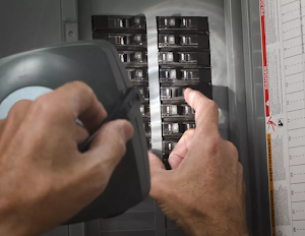
How to Inspect Your Electrical Panel Safely | Homeowner Guide
-
Clearwater, FL Leak Detection and Repair: Find Hidden Water Leaks
Hidden water leaks can lead to higher water bills, mold, damaged flooring, and costly repairs if they go undetected. This guide shows Tampa Bay homeowners how to identify potential leaks using water meter tests, visual warning signs, room-by-room checks, and isolation techniques. It also explains how professionals use non-invasive technology like acoustic listening and thermal imaging to pinpoint concealed and slab leaks while minimizing damage to your home.READ MORE -
Rockford HVAC: Heating System Installation Guide
Installing a central heating system involves much more than choosing a furnace or heat pump. This guide walks Rockford-area homeowners through the professional installation process, including system sizing, ductwork, permits, venting, electrical connections, thermostat setup, and final commissioning. It also explains which tasks may be DIY-friendly, when licensed professionals are needed, and how proper installation and annual maintenance can improve comfort, efficiency, safety, and system longevity.READ MORE -
Tampa, FL Electrical Safety Inspections Checklist
Your electrical panel is the heart of your home’s electrical system, and regular inspections can help identify potential hazards before they lead to outages, equipment damage, or fire risks. This guide explains what Tampa Bay homeowners can safely check themselves and what licensed electricians inspect inside the panel, including breakers, wiring, grounding, corrosion, GFCI/AFCI protection, and surge protection. It also covers common warning signs, inspection frequency, and when repairs or upgrades may be necessary to keep your home safe and code-compliant.READ MORE
Our Promises To You
-

Convenient For You
We Work on Your Schedule
-

Background Checks
We do Drug Tests And Background Checks Before Hiring
-

No Need For Stress
Get ABCs Worry-Free Guarantee at No Cost
-

No Surprises
Pricing is By the Job, Not the Hour