

In this article, you will learn:
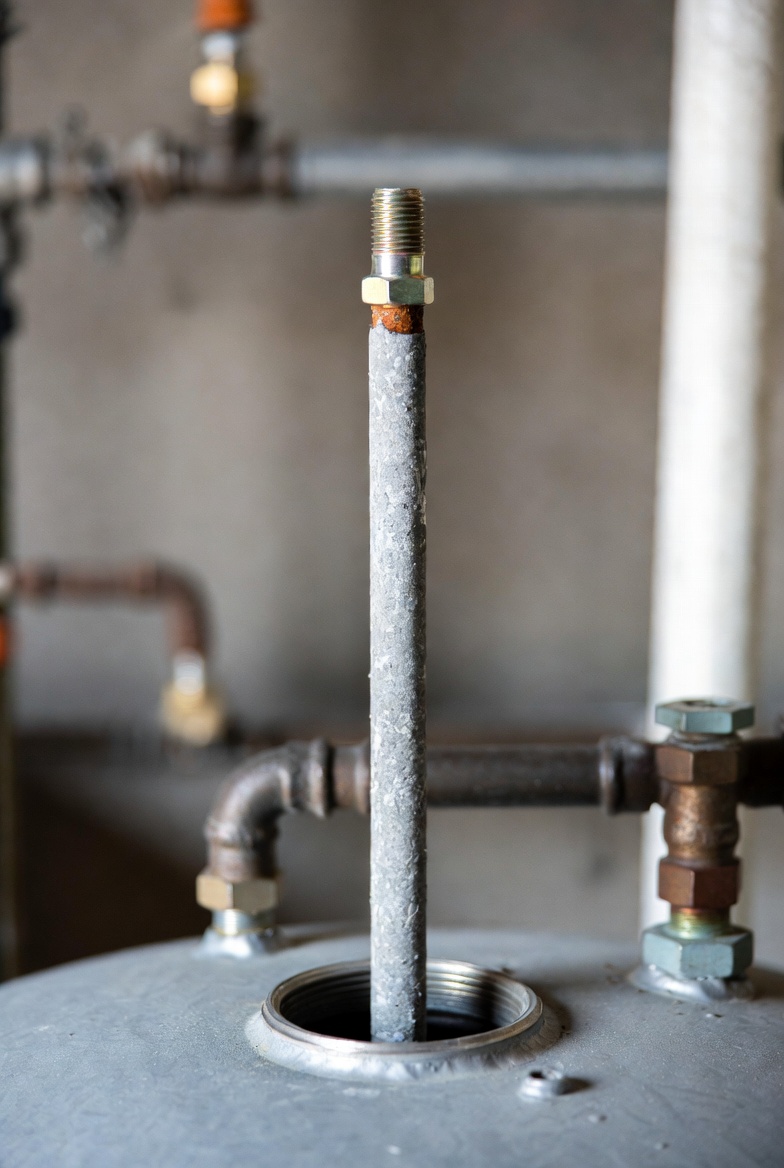
Anode rods protect your water heater tank from corrosion by attracting rust-causing elements in the water, sacrificing themselves to extend the life of the steel tank.
Regular inspection every 1–3 years is essential, and the rod should be replaced when more than 75% corroded to prevent premature tank failure and costly leaks.
Proper maintenance—including flushing the tank and choosing the right rod type (magnesium, aluminum, or zinc)—helps maximize water heater efficiency and lifespan.
Your water heater is a critical part of your home’s plumbing system, and maintaining it is key to extending its lifespan and preventing costly repairs. One essential maintenance task is inspecting and replacing the anode rod—a component designed to protect your water heater tank from corrosion. In this guide, we’ll explain what an anode rod is, why it’s important, and how to inspect and replace it.
What is an Anode Rod and Why is It Important?
Most water heater tanks are made of steel with a thin layer of glass lining to prevent rust. Over time, this lining can crack, allowing water to contact the steel. The anode rod, also known as a sacrificial rod, protects the tank from corrosion by attracting corrosive elements in the water, sacrificing itself to preserve the tank. Without a functioning anode rod, your water heater tank will rust much faster, shortening its lifespan significantly.
How to Inspect the Anode Rod
Inspecting the anode rod is a straightforward process but requires attention to safety and proper handling. Follow these steps:
- Turn off the power and water supply: For electric water heaters, switch off the circuit breaker. For gas water heaters, set the thermostat to “Pilot.” Shut off the cold water supply to the tank.
- Relieve pressure: Open a hot water faucet to release pressure inside the tank. Then, use the pressure relief valve to safely vent remaining pressure.
- Locate the anode rod: The rod is typically located on the top of the water heater. Look for a hexagonal bolt head.
- Remove the rod: Use a socket wrench to unscrew the rod. You may need assistance if it’s tightly secured.
- Inspect the rod: Examine the rod for signs of wear, such as heavy corrosion, thinning, or exposed steel. If more than 75% of the rod is corroded, it’s time to replace it.
How to Replace the Anode Rod
Replacing the anode rod is a simple and cost-effective way to prolong your water heater’s life. Here’s how:
- Choose the right replacement rod: Anode rods are typically made of magnesium, aluminum, or zinc. Magnesium is ideal for soft water, while aluminum or zinc works better in hard water areas.
- Insert the new rod: Slide the new rod into the tank and screw it in tightly. Use Teflon tape on the threads for a secure seal.
- Restore power and water: Turn on the cold water supply and refill the tank. Restore power or gas to the water heater and check for leaks around the anode rod fitting.
Additional Tips for Anode Rod Maintenance
- Check every 1-3 years: Regular inspections help ensure the rod is functioning properly and prevents unexpected tank failure.
- Consider a powered anode rod: Powered (non-sacrificial) anode rods last longer and are ideal for areas with highly corrosive water.
- Flush your water heater regularly: Sediment buildup can accelerate corrosion. Flushing the tank annually helps maintain efficiency and extends its life.
FAQs About Anode Rods
- How do I know if my anode rod needs replacing?
If more than 75% of the rod is corroded, it’s time to replace it. A foul odor in hot water may also indicate the need for replacement, as a worn rod can react with certain bacteria in the water. - Can I replace the anode rod myself?
Yes, but if you’re uncomfortable or unsure, hiring a professional plumber is recommended to ensure the job is done correctly and safely. - What happens if I don’t replace the anode rod?
Without a functional anode rod, your water heater tank will corrode faster, potentially leading to leaks and costly replacements.
Need Expert Plumbing Services?
At ABC Plumbing, Sewer, Heating, Cooling, and Electric, we’re here to help with all your water heater maintenance needs. From inspecting and replacing anode rods to full system replacements, our experienced plumbers have the tools and expertise to keep your water heater running smoothly.
Scroll further down this page, locate the location closest to you, and click the phone number to call us. Let us help you maintain your water heater and extend its lifespan today!
ABC Plumbing Locations
Arlington Heights, IL220 W Campus Dr | Largo, FL11701 S Belcher Rd Suite 127 |
Downers Grove, IL1001 Ogden Ave LL4 | Tampa, FL4326 W El Prado Blvd Suite 7 |
Evanston, IL828 Davis St UNIT 205 | |
Also check the following blog post: What's the Purpose of a Water Heater Expansion Tank?
Related blogs


Our Blog
VIEW ALL BLOGS
Tampa, FL Electrical Safety Inspections Checklist
-
Rockford, IL Plumbing: DIY Risks for General Plumbing
DIY plumbing can save money on simple projects, but more complex work can lead to leaks, water damage, code violations, and safety concerns when handled incorrectly. This guide explains which plumbing tasks homeowners can safely tackle themselves and when it’s best to call a licensed professional. It also covers common DIY mistakes, permits and code requirements, hidden costs, and how professional plumbing service can protect your home, warranties, and investment.READ MORE -
Palm Harbor Electrical Panel & Service Upgrade Costs
Upgrading your electrical panel can improve your home’s safety, reliability, and capacity for future electrical needs. This guide explains what affects electrical panel upgrade costs in Tampa Bay, including amperage, service equipment, grounding, permits, code corrections, and labor. It also covers signs you may need an upgrade, what to expect during installation, and ways to save without compromising safety or quality.READ MORE -
McHenry, IL Heating System Repairs: 5 Common Furnace Issues
Furnace problems can quickly become serious during a Chicagoland winter. This guide covers five common issues—including no heat, short cycling, cold air, strange noises, ignition problems, and uneven heating—along with safe troubleshooting steps homeowners can try first. It also explains when to call a professional, how annual maintenance can prevent breakdowns, and when replacing an aging furnace may make more sense than another repair.READ MORE
Our Promises To You
-

Convenient For You
We Work on Your Schedule
-

Background Checks
We do Drug Tests And Background Checks Before Hiring
-

No Need For Stress
Get ABCs Worry-Free Guarantee at No Cost
-

No Surprises
Pricing is By the Job, Not the Hour