

In this article, you'll learn:
- The warning signs of a slab leak, including warm spots on floors, unexplained increases in your water bill, damp flooring, musty odors, and the sound of running water.
- How professional plumbers detect hidden slab leaks using advanced tools like acoustic listening devices, infrared imaging, pressure testing, and video inspections to minimize disruption.
- The best repair options—from spot repairs and pipe rerouting to full repiping—and discover how early detection can prevent costly water damage and foundation issues.
Water under the floor, warm spots, or a sudden spike in your bill can point to a serious problem: a slab leak. If you searched slab leak repair near me, you need clear steps and a fast, safe fix. This guide explains how to spot a slab leak, what you can do now, how pros locate it without tearing up your home, and the best repair options for your situation.
What Is a Slab Leak and Why Speed Matters
A slab leak is a pressurized water line or drain line leaking beneath your concrete foundation. Even a pinhole can release gallons per day. Left alone, it can undermine soil, crack floors, invite mold, and ruin finishes.
Fast action matters because:
- Repair scope grows as water spreads.
- Insurance coverage can hinge on how quickly you act.
- Concrete and wood absorb moisture that is costly to dry.
EPA research shows common household leaks can waste nearly 10,000 gallons per year. Under‑slab leaks are often hidden, so early detection protects both your home and your water bill.
Common Signs You May Have a Slab Leak
You do not need to see water on the floor to have a problem. Watch for these signals:
- Warm spots on tile or concrete floors.
- The sound of running water when no fixtures are on.
- Unexplained spike in the water bill or meter spinning with fixtures off.
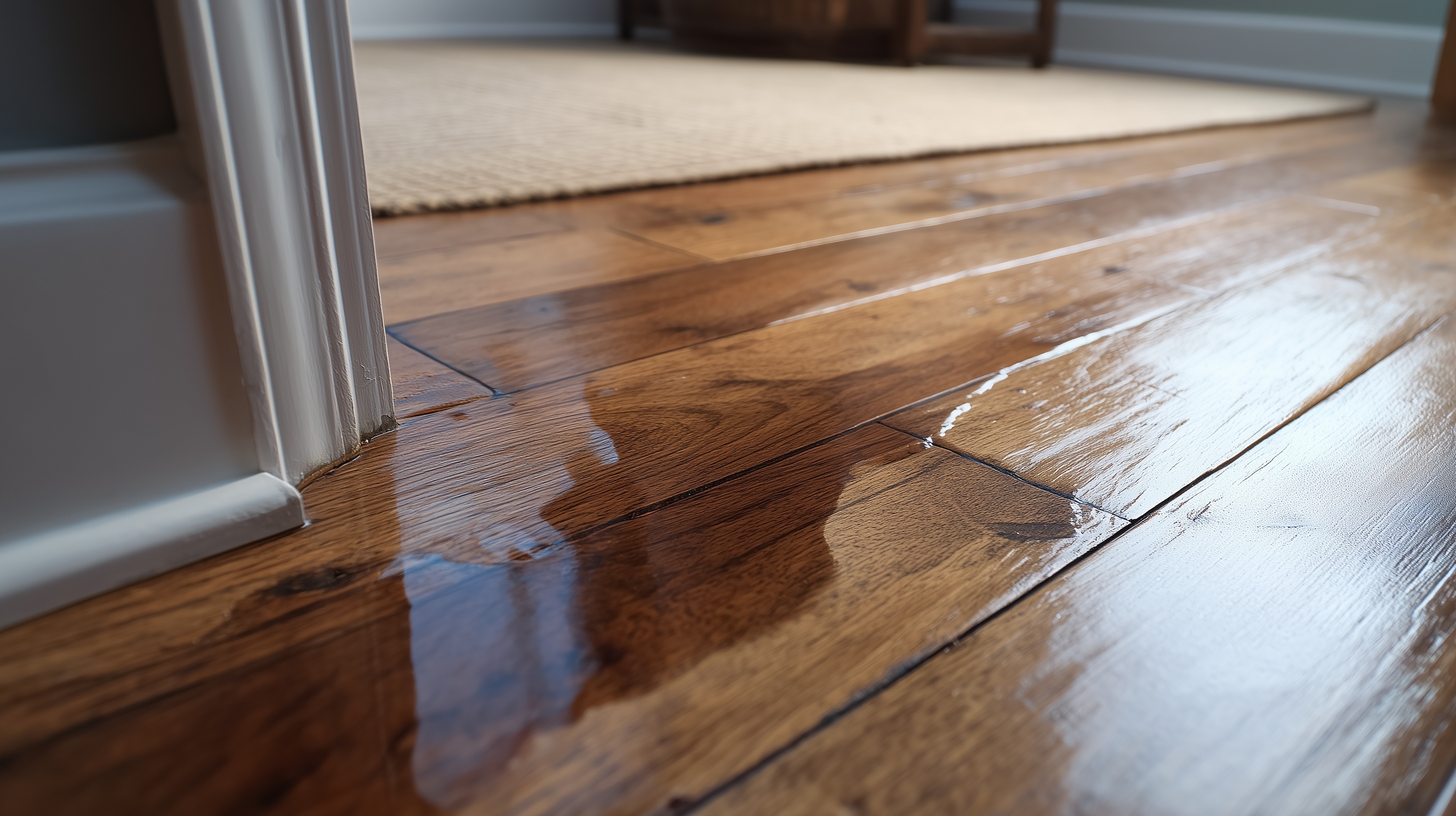
- Damp carpet, baseboard swelling, or musty odor.
- Hairline cracks in the slab or floor tiles.
- Water pooling near the foundation or at floor‑wall joints.
Pro tip for Chicagoland homes: Many 1950s to 1970s ranch homes and slab‑on‑grade additions route copper lines in or under the slab. Winter soil shifts and mineral‑rich water can accelerate pinhole leaks at joints and elbows.
Immediate Steps Before You Call a Plumber
Your first moves can save thousands in secondary damage.
- Confirm water flow. Turn off all fixtures and appliances. Check the water meter’s flow indicator. If it moves, you likely have a hidden leak.
- Isolate hot vs cold. Briefly switch off the water heater. If the warm floor spot cools over an hour, the leak may be on a hot line.
- Protect finishes. Move rugs and furniture. Set towels where flooring is damp. If safe, run a fan or dehumidifier to slow moisture spread.
- Photograph and document. Take time‑stamped photos and a short video for insurance.
- Know your shutoff. If water is rapidly intruding, close the main valve at the meter or where the line enters the home.
If sewage odor is present or water is discolored, avoid the area and call a licensed plumber immediately. Drain leaks require different handling for health and safety.
How Professionals Find a Slab Leak Without Unnecessary Demolition
Modern leak detection is far more precise than guess‑and‑break. At ABC, our certified plumbers pair experience with technology to pinpoint leaks with minimal disruption.
- Acoustic listening. Sensitive microphones and correlators listen for the acoustic signature of pressurized leaks along the piping path.
- Infrared scanning. Thermal imagers map heat loss from hot‑water lines, revealing abnormal warm zones under floors.
- Pressure isolation. Segmenting hot and cold loops helps confirm which run is leaking.
- Tracer gas or dye testing. In select cases, non‑toxic gas or dye confirms the exact location.
- Video inspection. If a drain or sewer line is suspected, a camera helps visualize cracks or intrusions and verify slope and condition.
ABC leverages high‑quality tools, including video cameras and acoustic microphones, to locate issues quickly and give you the best chance for minimal disruption to your home.
Choosing the Right Repair Strategy
There is no one‑size‑fits‑all fix. The right approach depends on pipe material, location, access, and the overall condition of your plumbing.
- Spot repair through the slab
- Best when the leak is precisely located and the line is otherwise in good shape.
- The team cuts a small access opening, repairs the pipe, then patches the slab and floor.
- Pros: Lowest upfront cost, fast turnaround for single leaks.
- Cons: If the pipe is aging or pitted, new leaks may appear elsewhere later.
- Reroute above the slab
- Ideal if the leaking line is hard to access or runs through multiple rooms.
- New piping is run through walls, ceilings, or attic spaces, bypassing the slab entirely.
- Pros: Avoids future slab breaks and often reduces risk in older copper lines.
- Cons: Drywall repair and repainting are usually required.
- Partial repipe or full repipe
- Consider when a home has recurring leaks or widespread corrosion.
- Modern materials include Type L copper and PEX, selected to match code and application.
- Pros: Long‑term reliability and better water quality in many cases.
- Cons: Higher upfront investment, but often lowest lifetime cost.
- Drain or sewer line repair under slab
- If the issue is on a drain line, options include sectional spot repair, pipe bursting, or cured‑in‑place lining depending on line condition and code.
- A camera inspection is essential to verify the failure mode before selecting a method.
A licensed plumber will weigh soil conditions, the age of piping, water chemistry, and access paths to recommend the safest and most economical solution for your home.
Cost Factors and Timelines in Chicagoland
Prices vary by access, method, and finish restoration. What drives the cost:
- Pinpoint accuracy. Precise locating reduces demolition and labor.
- Length of reroute. Longer runs and multiple fixtures raise material and labor.
- Floor finish. Tile and engineered wood require careful removal and reinstallation.
- Concrete thickness and reinforcement. Thicker slabs take longer to open and patch.
- Permitting and inspections. Local requirements add time but protect your investment.
Typical timelines range from same‑day spot repairs to two or three days for complex reroutes or multi‑bath homes. We provide written, upfront pricing before work starts so you can choose the option that fits your budget and timeline.
Permits, Codes, and Protecting Your Warranty
Working to code matters for safety and insurance.
- In Illinois and the City of Chicago, underground and in‑slab plumbing repairs generally require a permit and a licensed plumbing contractor. This protects you with inspections and documentation for insurers and future buyers.
- Many jurisdictions require Type K or Type L copper for underground potable water lines and approved methods for PEX where allowed. Your ABC plumber will confirm material requirements for your municipality before work begins.
- Keep your final invoice, photos, and permit sign‑offs. This documentation supports manufacturer warranties and real estate disclosures.
ABC follows local code, secures permits when required, and provides documentation that stands up to lender and buyer scrutiny.
How We Minimize Mess and Get You Back to Normal
Slab work can be tidy and controlled with the right process.
- Site protection. Poly sheeting and floor protection isolate the work area and dust.
- Targeted access. Acoustic and thermal locating limit concrete cuts to the smallest square possible.
- Clean removal. HEPA vacuuming and wet cutting reduce airborne dust during demolition.
- Professional patching. Rebar or mesh is tied in as needed, concrete is placed, and the patch is leveled for finish flooring.
- Moisture verification. We meter the area to confirm the slab and subfloor are dry before close‑up.
Homeowners often tell us the neatness of the job exceeded expectations. That is the standard we aim to meet on every project.
Insurance Tips for Slab Leak Claims
Many policies cover the access and repair of the failed pipe. Coverage for damaged flooring or finishes varies by policy.
- Call your carrier early and get a claim number.
- Document the event with photos, meter readings, and any emergency steps you took.
- Ask if an adjuster needs to see the site before the slab is closed.
- Keep all estimates and invoices. ABC can provide detailed line items and photos.
We work with adjusters every week and can help you provide the right documentation without slowing your repair.
Prevention: Reduce the Chances of Another Slab Leak
A good repair is step one. Prevention is step two.
- Stabilize water pressure. Keep household pressure between 55 and 65 psi. Install or service your pressure‑reducing valve if needed.
- Control water chemistry. Hard or aggressive water can pit copper. A whole‑home filtration or conditioning system can help.
- Limit slab penetrations. During remodels, plan plumbing routes through walls or ceilings instead of concrete.
- Schedule annual plumbing checks. Early detection of corrosion, high pressure, or appliance leaks helps you act before a failure.
- Winter awareness. In Chicagoland, garage and slab‑on‑grade spaces near exterior walls are colder. Insulate exposed lines and seal drafts.
ABC also offers water filtration, water heater services, fixtures, and sewer solutions to keep your system running reliably long after the slab repair.
When to DIY and When to Call a Pro
You can perform safe diagnostic checks, shut off water, and protect finishes. Locating and repairing a slab leak is specialty work. Without proper equipment, you risk breaking out the wrong area or missing a secondary leak.
Call a licensed plumber if you notice any of the signs listed above, if your meter spins with fixtures off, or if you discover warm spots on the floor. If sewage is present, treat it as an emergency and avoid exposure.
Why Homeowners Choose ABC for Slab Leak Repair
- 70+ years serving greater Chicago with trained, certified plumbers.
- Advanced locating tools like video cameras and acoustic microphones for minimal disruption.
- Same‑day service availability and upfront, written pricing.
- Strong guarantees and a team that keeps you informed from inspection to final patch.
- One company for plumbing, sewer, HVAC, and electrical, so complex jobs stay coordinated.
We service Chicago, Elgin, Waukegan, Cicero, Schaumburg, Evanston, Arlington Heights, Palatine, Skokie, Des Plaines, and nearby suburbs.
What Homeowners Are Saying
"Called abc to check what’s causing ceiling leak in basement bathroom and they found a leaky shower hose upstairs possibly leaking into the grout and causing leak downstairs. Dylan G (plumbing tech) found this issue very quickly too!!! These guys I swear are too professional. Highly recommend!!"
–Ouseph P., Plumbing
"Eric was there when he said he would be, replaced our faucet and found and repaired another leak that he located. Great work !"
–James G., Plumbing
"Kevin was very nice and explain the issue in details. Fixed the shower leak problem within very short timeframe."
–Ashok S., Plumbing
Frequently Asked Questions
How do I know if the leak is in the hot or cold line?
Turn off the water heater for an hour. If a warm floor spot cools and the meter slows, the hot line is likely leaking. A pro will confirm with pressure tests.
Will my floors need to be torn up?
Not always. With acoustic and thermal locating, many repairs need only a small access opening. In many cases we reroute lines to avoid cutting the slab.
How long does a typical slab leak repair take?
Same‑day for a simple spot fix. One to three days for reroutes or multi‑fixture lines. We provide a written timeline before work begins.
Is rerouting better than breaking the slab?
If the line is corroded or hard to access, rerouting above the slab often prevents future leaks and limits dust and noise. Your plumber will compare both options.
Do I need a permit for slab leak repair in Chicago?
In most cases, yes. Underground and in‑slab plumbing work generally requires permits and a licensed contractor. We handle permits and inspections for you.
For fast plumbing help in Chicago, Elgin, Waukegan, and nearby, call or schedule online today.
ABC Plumbing Locations
Arlington Heights, IL220 W Campus Dr | Largo, FL11701 S Belcher Rd Suite 127 |
Downers Grove, IL1001 Ogden Ave LL4 | Tampa, FL4326 W El Prado Blvd Suite 7 |
Evanston, IL828 Davis St UNIT 205 | |
Related blogs


Our Blog
VIEW ALL BLOGS
How to Inspect Your Electrical Panel Safely | Homeowner Guide
-
Clearwater, FL Leak Detection and Repair: Find Hidden Water Leaks
Hidden water leaks can lead to higher water bills, mold, damaged flooring, and costly repairs if they go undetected. This guide shows Tampa Bay homeowners how to identify potential leaks using water meter tests, visual warning signs, room-by-room checks, and isolation techniques. It also explains how professionals use non-invasive technology like acoustic listening and thermal imaging to pinpoint concealed and slab leaks while minimizing damage to your home.READ MORE -
Rockford HVAC: Heating System Installation Guide
Installing a central heating system involves much more than choosing a furnace or heat pump. This guide walks Rockford-area homeowners through the professional installation process, including system sizing, ductwork, permits, venting, electrical connections, thermostat setup, and final commissioning. It also explains which tasks may be DIY-friendly, when licensed professionals are needed, and how proper installation and annual maintenance can improve comfort, efficiency, safety, and system longevity.READ MORE -
Tampa, FL Electrical Safety Inspections Checklist
Your electrical panel is the heart of your home’s electrical system, and regular inspections can help identify potential hazards before they lead to outages, equipment damage, or fire risks. This guide explains what Tampa Bay homeowners can safely check themselves and what licensed electricians inspect inside the panel, including breakers, wiring, grounding, corrosion, GFCI/AFCI protection, and surge protection. It also covers common warning signs, inspection frequency, and when repairs or upgrades may be necessary to keep your home safe and code-compliant.READ MORE
Our Promises To You
-

Convenient For You
We Work on Your Schedule
-

Background Checks
We do Drug Tests And Background Checks Before Hiring
-

No Need For Stress
Get ABCs Worry-Free Guarantee at No Cost
-

No Surprises
Pricing is By the Job, Not the Hour