

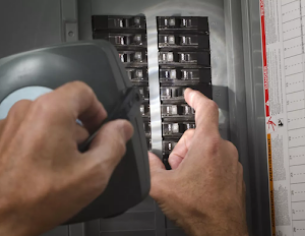
In this article, you'll learn:
- What electricians inspect during a professional electrical panel evaluation, including breakers, wiring, grounding, surge protection, and code compliance.
- How to recognize warning signs of electrical problems like tripped breakers, flickering lights, burning smells, buzzing sounds, and warm panel covers before they become serious hazards.
- How regular inspections and timely upgrades can improve electrical safety, protect your home from power surges, and prepare your system for modern electrical demands like EV chargers and new HVAC equipment.
Lights flicker, breakers trip, or you smell something hot near the panel. When that happens, you need a clear electrical panel inspection checklist so you know what electricians check. Use this guide to spot hazards early, avoid surprise failures, and plan upgrades with confidence. If you need help today, ABC Plumbing, Air & Heat is ready 24/7 in Tampa and nearby cities.
Why panel inspections matter in Tampa homes
Electrical panels age, loads change, and Tampa’s frequent lightning and power surges stress every connection. An annual inspection helps catch heat damage, loose lugs, mislabeled circuits, and outdated breakers before they fail. It also confirms your system meets current safety expectations like GFCI and AFCI protection where required.
Two hard facts to ground your expectations:
- The National Electrical Code (NEC) requires accurate circuit directories at the panel (NEC 408.4). If your labels are vague or missing, response time in an emergency grows and mistakes happen.
- GFCI protection is required in areas with moisture risk such as bathrooms, kitchens, garages, and outdoors (NEC 210.8). AFCI protection is required on many dwelling unit circuits to reduce arc‑fault fires (NEC 210.12). Your panel and branch circuits should reflect these protections.
Local insight: Florida leads the nation in lightning density. Whole‑home surge protection and tight, code‑compliant terminations are not “nice to have” here. They are essential risk reducers for electronics, HVAC equipment, and major appliances.
Electrical panel inspection checklist: what electricians check
A professional inspection is systematic. Here is how a licensed electrician evaluates your panel and related safety items during a service visit.
- Safe access and clearances
- Confirm working space around the panel and proper mounting height.
- Check for moisture intrusion, corrosion, or damage to the cabinet.
- Main disconnect and service conductors
- Verify the main breaker rating matches the service size.
- Inspect service entrance cables for heat, cracking, or fraying.
- Panel cover, dead front, and labeling
- Ensure the dead front is intact with no missing screws and that no sharp or oversized screws penetrate conductors.
- Confirm the circuit directory is accurate, legible, and specific per NEC 408.4, not “misc” or “general.”
- Breaker condition and compatibility
- Look for discoloration, arcing marks, or tripped indicators.
- Verify breakers are listed and labeled for the panel, not a mix‑and‑match that can loosen or overheat.
- Lug torque and terminations
- Check that conductors are properly landed and torqued per manufacturer specifications (NEC 110.14). Over‑ or under‑torque can cause hot spots and nuisance trips.
- Double‑tapped breakers and shared neutrals
- Identify any two wires under one breaker terminal that is not listed for two conductors.
- Inspect multi‑wire branch circuits to confirm the handle ties or common trip required.
- Neutral and ground bars
- Confirm neutrals are isolated from grounds in subpanels, and bonded correctly in the service equipment.
- Look for multiple neutrals under one terminal where not allowed.
- Grounding electrode system
- Verify the presence and condition of grounding electrodes and bonding conductors to metal water piping, building steel, or ground rods as applicable.
- Conductor sizing and insulation
- Check wire gauge against breaker size and load type.
- Look for brittle insulation, heat discoloration, or rodent damage.
- AFCI and GFCI protection
- Confirm AFCI protection on required circuits and test GFCI devices with a calibrated tester.
- Recommend upgrades when older homes lack these protections.
- Surge protection status
- Inspect whole‑home surge protective devices for indicator lights and proper connection.
- Recommend SPD installation if none is present, which is especially valuable in our lightning‑prone region.
- Panel fill and derating
- Evaluate total breaker count versus panel rating and available spaces.
- Consider heat and ventilation around the cabinet to avoid thermal stress.
- Evidence of overheating or arcing
- Use thermal scanning or contact thermometers to find hot spots on lugs and breakers.
- Note telltales like a “hot” smell, browned insulation, or soot.
- Load evaluation
- Review large loads added since the last inspection, including EV chargers, spas, or new HVAC units.
- Recommend service or subpanel upgrades when the load diversity warrants it.
- Code updates and safety recommendations
- Explain any gaps discovered and provide options ranked by safety impact and budget.
What happens during a professional visit from ABC
Every job with ABC starts with a detailed inspection so we can recommend the most cost‑effective and safe solution. Here is the typical flow:
- Arrival and safety briefing
- We verify power status, panel access, and job scope. We use PPE and take steps to protect floors and walls.
- Diagnostic testing
- Voltage checks, breaker testing, GFCI/AFCI validation, and thermal scanning to identify heat anomalies.
- Mechanical and visual inspection
- Panel interior, lugs, bars, conductor sizing, device compatibility, and labeling.
- Findings and options
- You receive a clear explanation with photos, pricing by the job, and good‑better‑best options when upgrades are available.
- Same‑day repairs when possible
- From tightening lugs to replacing failed breakers, we aim to resolve hazards immediately. Larger work like panel swaps, generator installs, or whole‑home surge protection is scheduled quickly with permitting support when required.
Our commitments that reduce homeowner stress:
- Emergency services available 24/7.
- Pricing is by the job, not the hour.
- Background‑checked, drug‑tested technicians.
- Written labor warranties and manufacturer‑backed product guarantees.
Signs your panel needs immediate attention
Call an electrician right away if you notice any of these:
- Breakers that trip repeatedly or will not reset.
- A burning smell, visible scorch marks, or warm panel cover.
- Lights dimming when appliances start.
- Buzzing or crackling sounds from the panel.
- Rust, water stains, or salt air corrosion on or in the cabinet.
- Outdated equipment such as known‑hazard brands or ungrounded systems.
Quick safety tip: Never remove the panel cover yourself. Live parts are exposed inside. A licensed electrician has the tools and training to work safely.
Tampa‑area considerations: storms, surges, and salt air
Homes in Tampa, Clearwater, and St. Petersburg face specific stresses:
- Frequent summer thunderstorms and utility switching create voltage spikes.
- Coastal humidity and salt air can corrode lugs, bars, and breakers.
- Aging housing stock may still lack AFCI protection or have limited panel capacity.
High‑value upgrades for our region:
- Whole‑home surge protection to guard HVAC systems, electronics, and appliances.
- GFCI and AFCI updates that align with current code expectations for life safety.
- Panel replacements that add capacity for EV chargers, heat pumps, or backyard living spaces.
Cost expectations and what influences price
Inspection and repair costs vary with scope. Factors that move price up or down include:
- Access and condition: indoors vs. outdoors, rust, or water intrusion.
- Panel brand and age: availability of listed replacement breakers.
- Load changes: new HVAC, pool equipment, or EV charging.
- Code updates: adding AFCI or GFCI protection where missing.
- Surge protection: whether you already have a whole‑home SPD installed.
With ABC you get by‑the‑job pricing before work starts, clear options, and no surprise add‑ons. If a repair is safer or more cost‑effective than replacement, we will recommend it and explain why.
DIY checks you can do safely between professional visits
You should not open the panel, but you can spot issues early:
- Look: Is the panel area clear, dry, and free from rust or pests?
- Listen: Do you hear buzzing or see lights flicker when appliances run?
- Label: Can you find and read the breaker for each major room and appliance?
- Test: Press the test buttons on GFCI outlets and GFCI breakers monthly, then reset.
If anything seems off, schedule a professional inspection. Quick action avoids larger repairs and downtime.
When an inspection becomes an upgrade
Sometimes the safest, most economical path is replacing the panel or adding a subpanel. Common triggers include:
- Not enough spaces for new circuits.
- Heat damage on bus bars or multiple failing breakers.
- Major remodels or additions that exceed service capacity.
- Plans for EV charging or backyard kitchens that require new dedicated circuits.
An ABC electrician will size the service correctly, pull permits as needed, coordinate utility timing, and deliver a clean, code‑compliant installation with a labeled directory and proper surge protection.
What Homeowners Are Saying
"Jon did an excellent job, professional, took his time and also went the extra mile in recommending additional service for my electrical issue."
–Verified Customer, Electrical Service
"Fantastic service and the friendliest guy. Got my house cold again in less than 30 minutes after sorting out a very charred lizard in the electrical. Thanks for the help Jerome!"
–Verified Customer, Electrical Service
"Our technician showed up on time, was friendly, professional and very informative. He took his time doing an exceptional inspection of our system. He explained every detail, and left me feeling confident that we made the right choice by calling ABC. We were happy with our experience!"
–Verified Customer, Electrical Inspection
"Mihail is amazing! He was very professional, mindful and kind during our inspection. He gave us a full run down of what we would be looking at short and long term for our old condo."
–Verified Customer, Inspection
Frequently Asked Questions
How often should I schedule an electrical panel inspection?
Most homes benefit from an annual inspection, and always after adding large loads like an EV charger, spa, or new HVAC system.
Do I need a whole‑home surge protector in Tampa?
Yes. Our region’s frequent storms make surge protection a smart, low‑cost layer of defense for electronics, appliances, and HVAC systems.
Will an inspection fix my tripping breakers?
An inspection finds the cause. Many issues can be corrected same day, but severe heat damage or load problems may require repairs or upgrades.
What does it mean if my panel feels warm?
Heat often indicates loose terminations or overloaded circuits. Power down suspect loads and call a licensed electrician promptly.
Can I upgrade to AFCI or GFCI without replacing my whole panel?
Often yes. Many breakers are available with AFCI or GFCI functions. Your electrician will confirm compatibility with your panel.
About ABC Plumbing, Air, Heat, & Electric
ABC Plumbing, Air, Heat, & Electric has served Florida homeowners for over 70 years with highly-skilled and trained technicians, strict background checks, and no‑surprises pricing. We charge by the job, not by the hour, and back our work with strong guarantees, including a worry‑free guarantee. For electrical work of all types, we bring fast response and local expertise across Tampa Bay.
ABC Plumbing Locations
Arlington Heights, IL220 W Campus Dr | Largo, FL11701 S Belcher Rd Suite 127 |
Downers Grove, IL1001 Ogden Ave LL4 | Tampa, FL4326 W El Prado Blvd Suite 7 |
Evanston, IL828 Davis St UNIT 205 | |
Related blogs


Our Blog
VIEW ALL BLOGS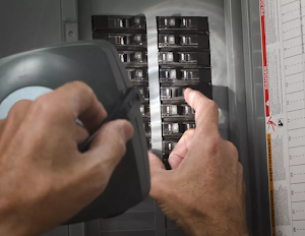
How to Inspect Your Electrical Panel Safely | Homeowner Guide
-
Clearwater, FL Leak Detection and Repair: Find Hidden Water Leaks
Hidden water leaks can lead to higher water bills, mold, damaged flooring, and costly repairs if they go undetected. This guide shows Tampa Bay homeowners how to identify potential leaks using water meter tests, visual warning signs, room-by-room checks, and isolation techniques. It also explains how professionals use non-invasive technology like acoustic listening and thermal imaging to pinpoint concealed and slab leaks while minimizing damage to your home.READ MORE -
Rockford HVAC: Heating System Installation Guide
Installing a central heating system involves much more than choosing a furnace or heat pump. This guide walks Rockford-area homeowners through the professional installation process, including system sizing, ductwork, permits, venting, electrical connections, thermostat setup, and final commissioning. It also explains which tasks may be DIY-friendly, when licensed professionals are needed, and how proper installation and annual maintenance can improve comfort, efficiency, safety, and system longevity.READ MORE -
Tampa, FL Electrical Safety Inspections Checklist
Your electrical panel is the heart of your home’s electrical system, and regular inspections can help identify potential hazards before they lead to outages, equipment damage, or fire risks. This guide explains what Tampa Bay homeowners can safely check themselves and what licensed electricians inspect inside the panel, including breakers, wiring, grounding, corrosion, GFCI/AFCI protection, and surge protection. It also covers common warning signs, inspection frequency, and when repairs or upgrades may be necessary to keep your home safe and code-compliant.READ MORE
Our Promises To You
-

Convenient For You
We Work on Your Schedule
-

Background Checks
We do Drug Tests And Background Checks Before Hiring
-

No Need For Stress
Get ABCs Worry-Free Guarantee at No Cost
-

No Surprises
Pricing is By the Job, Not the Hour