

In this article, you will learn:
Faucets come in four main designs—ball, cartridge, disc, and compression—each with unique features and repair needs.
Modern faucet types like ball, cartridge, and disc offer smoother operation and durability, while older compression faucets often leak due to worn washers.
Identifying your faucet type helps you handle maintenance, fix leaks faster, and choose the best replacement for your home.
Faucets come in four basic designs, each with its own functionality and repair requirements. Knowing the type of faucet you have is crucial when it comes to maintenance, repairs, or replacements. Let’s explore these four common types of faucets and how they work.
1. Ball Faucets
The ball faucet is the first type of washerless faucet and is commonly found in kitchens. It features a single handle attached to a rounded cap directly above the spout. This handle moves a plastic or metal ball inside the faucet body, which controls the flow and temperature of the water.
Identifying a Ball Faucet
You can identify a ball faucet by its:
- Single handle that moves in multiple directions
- Rounded cap above the spout
Advantages of Ball Faucets
Ball faucets are simple to operate and provide easy control over water temperature and flow.
Common Issues
Ball faucets are prone to leaks because they have multiple small parts that can wear out over time. Regular maintenance, such as replacing the seals or springs, can help extend their lifespan.
2. Cartridge Faucets
Cartridge faucets, available in both single and double-handle designs, use a movable stem cartridge to control water flow. The handles of these faucets turn with an up-and-down motion rather than requiring a full rotation.
Identifying a Cartridge Faucet
You can recognize a cartridge faucet by its:
- Smooth handle movement
- Option for single or double handles
Advantages of Cartridge Faucets
These faucets are durable and require minimal effort to adjust the water flow and temperature.
Common Issues
Over time, the cartridge may need to be replaced if the faucet begins to leak or the handle becomes difficult to operate.
3. Disc Faucets
Ceramic disc faucets, often referred to simply as disc faucets, are one of the newest designs. They feature a single lever mounted on a wide cylindrical body. Inside, a mixing chamber called a pressure balance cartridge combines hot and cold water, controlled by two ceramic discs.
Identifying a Disc Faucet
Key characteristics of a disc faucet include:
- Single lever for operation
- Wide, cylindrical body
Advantages of Disc Faucets
Disc faucets are highly durable and require minimal maintenance due to the use of ceramic components, which are resistant to wear and tear.
Common Issues
Disc faucets are typically trouble-free but may require occasional cleaning or replacement of the discs if mineral deposits accumulate.
4. Compression Washer Faucets
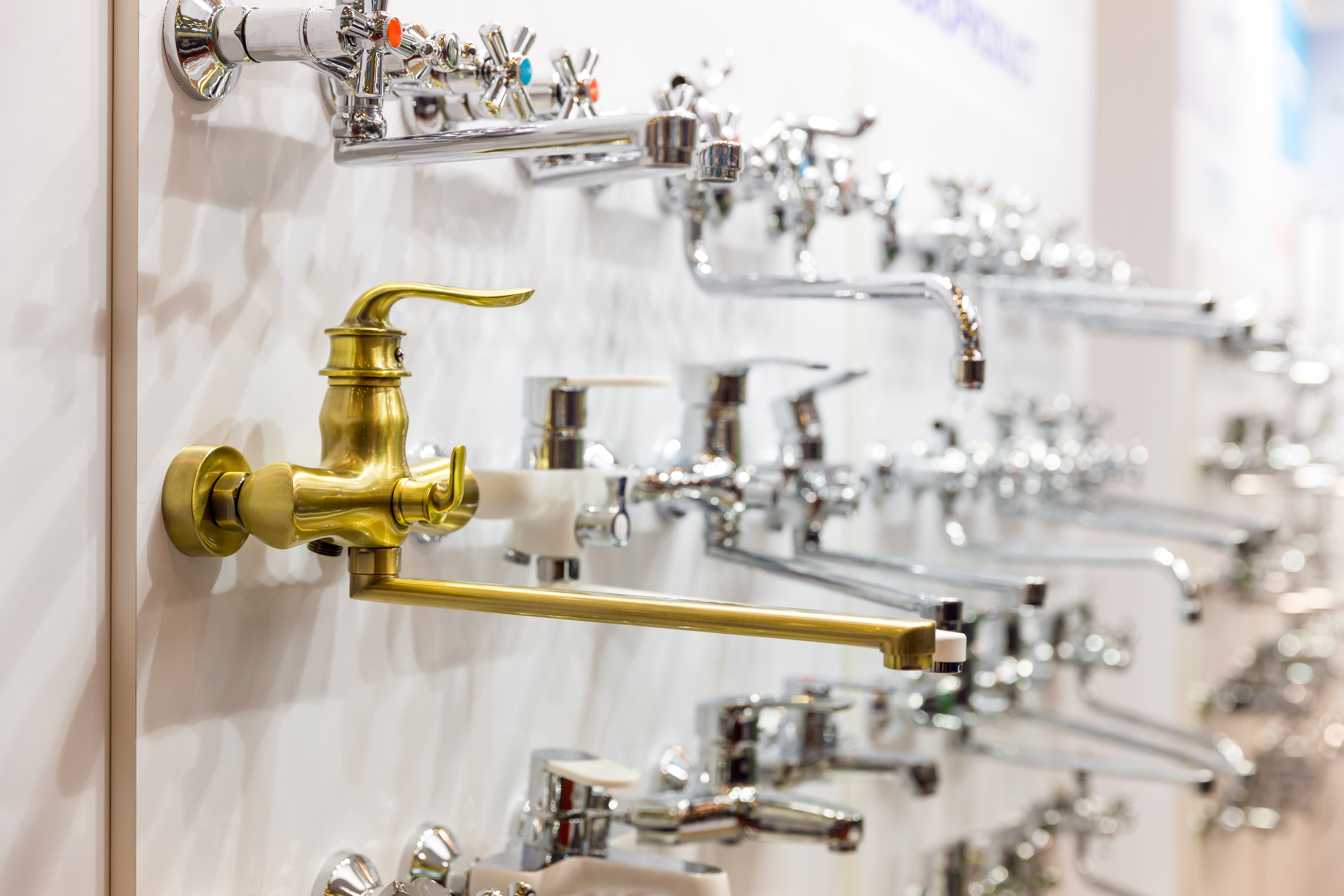
Compression washer faucets are one of the oldest designs and are still found in many older homes. These faucets use two handles—one for hot water and one for cold—that must be tightened to stop the flow of water.
Identifying a Compression Faucet
You can identify a compression faucet by its:
- Two handles for hot and cold water
- Requirement for full rotation to open or close
Advantages of Compression Faucets
These faucets are affordable and widely available, making them a popular choice for utility sinks and older homes.
Common Issues
Compression faucets are prone to leaks because the washers wear out over time. Fortunately, replacing the washers is a simple and inexpensive fix.
What Does 4 Centerset Mean?
Choosing the Right Type of Faucet for Your Needs
When selecting a faucet, consider factors such as ease of use, durability, and the location where it will be installed. For high-traffic areas like kitchens, ball or disc faucets may be a better choice due to their durability and ease of operation. Compression faucets are suitable for less frequently used areas like utility sinks.
Maintaining Your Faucets
Regular maintenance can extend the life of your faucets and prevent costly repairs:
- Clean faucets regularly to remove mineral deposits and grime.
- Replace worn-out parts, such as washers or cartridges, as needed.
- Address leaks promptly to prevent water waste and damage.
Frequently Asked Questions
Can I repair a faucet myself?
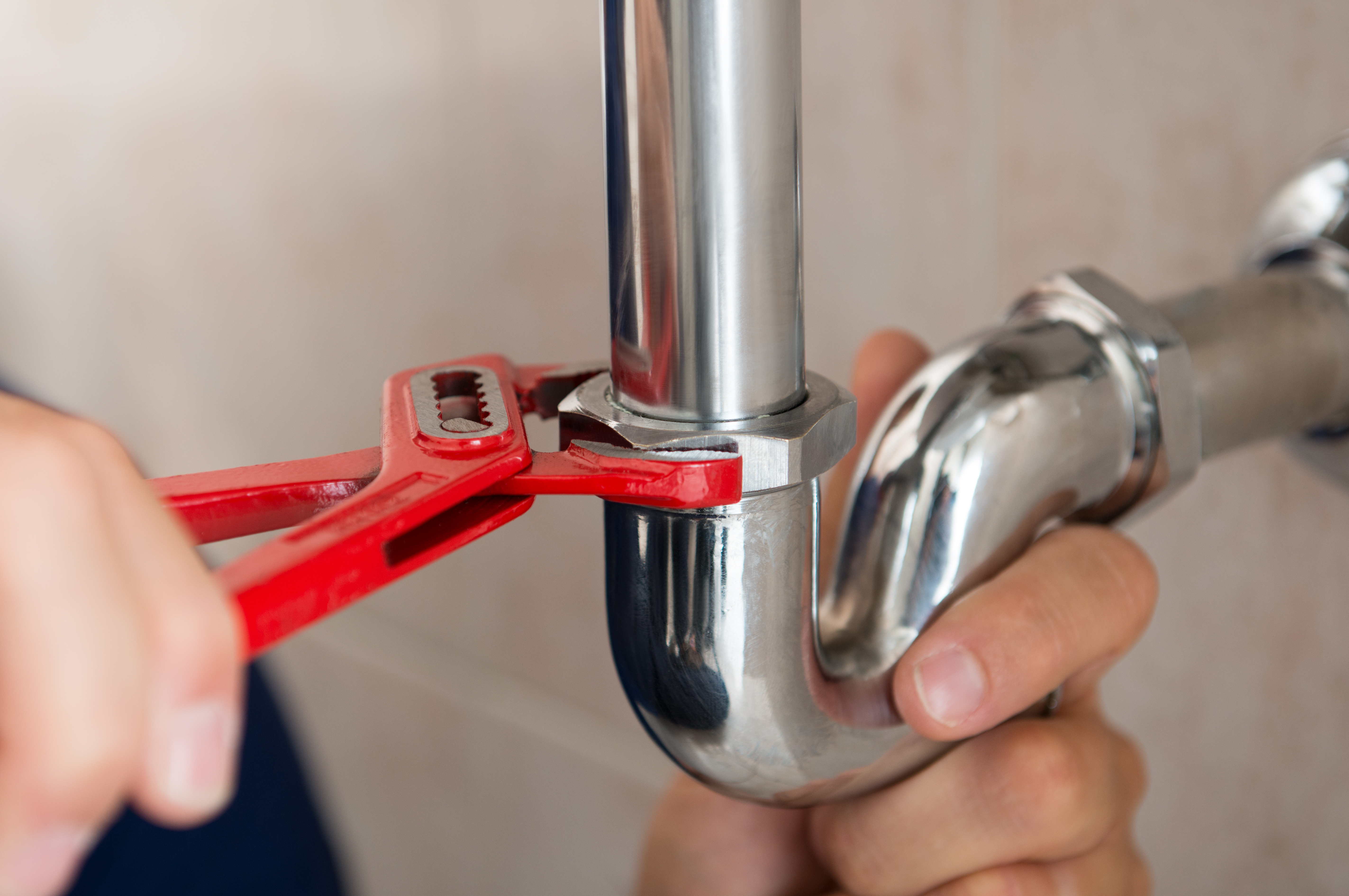
Many faucet repairs, such as replacing washers or cartridges, can be done as DIY projects. However, for more complex issues, it’s best to consult a plumber.
How do I know when to replace my faucet?
Consider replacing your faucet if it has persistent leaks or visible corrosion or is difficult to operate despite repairs.
Are modern faucets more water-efficient?
Yes, many modern faucets are designed with water-saving features, such as aerators, to reduce water consumption without sacrificing performance.
Need Expert Plumbing Services?
If you have questions about your faucets or need professional plumbing assistance, ABC Plumbing, Sewer, Heating, Cooling, and Electric is here to help. Our experienced team can assist with repairs, replacements, and upgrades.
Scroll further down the page, locate the ABC Plumbing location closest to you, and click the phone number to schedule a consultation today!
ABC Plumbing Locations
Arlington Heights, IL220 W Campus Dr | Largo, FL11701 S Belcher Rd Suite 127 |
Downers Grove, IL1001 Ogden Ave LL4 | Tampa, FL4326 W El Prado Blvd Suite 7 |
Evanston, IL828 Davis St UNIT 205 | |
Also check: The ABC's of Plumbing - Repiping
Related blogs


Our Blog
VIEW ALL BLOGS
Clearwater, FL Leak Detection and Repair: Find Hidden Water Leaks
-
Rockford HVAC: Heating System Installation Guide
Installing a central heating system involves much more than choosing a furnace or heat pump. This guide walks Rockford-area homeowners through the professional installation process, including system sizing, ductwork, permits, venting, electrical connections, thermostat setup, and final commissioning. It also explains which tasks may be DIY-friendly, when licensed professionals are needed, and how proper installation and annual maintenance can improve comfort, efficiency, safety, and system longevity.READ MORE -
Tampa, FL Electrical Safety Inspections Checklist
Your electrical panel is the heart of your home’s electrical system, and regular inspections can help identify potential hazards before they lead to outages, equipment damage, or fire risks. This guide explains what Tampa Bay homeowners can safely check themselves and what licensed electricians inspect inside the panel, including breakers, wiring, grounding, corrosion, GFCI/AFCI protection, and surge protection. It also covers common warning signs, inspection frequency, and when repairs or upgrades may be necessary to keep your home safe and code-compliant.READ MORE -
Rockford, IL Plumbing: DIY Risks for General Plumbing
DIY plumbing can save money on simple projects, but more complex work can lead to leaks, water damage, code violations, and safety concerns when handled incorrectly. This guide explains which plumbing tasks homeowners can safely tackle themselves and when it’s best to call a licensed professional. It also covers common DIY mistakes, permits and code requirements, hidden costs, and how professional plumbing service can protect your home, warranties, and investment.READ MORE
Our Promises To You
-

Convenient For You
We Work on Your Schedule
-

Background Checks
We do Drug Tests And Background Checks Before Hiring
-

No Need For Stress
Get ABCs Worry-Free Guarantee at No Cost
-

No Surprises
Pricing is By the Job, Not the Hour