

In this article, you will learn:
Honeywell thermostat not working / blank screen: Most common causes include dead or loose batteries, a tripped HVAC breaker, or a system safety switch shutting down power to protect equipment.
Honeywell thermostat troubleshooting & reset: Simple fixes like replacing batteries, checking the circuit breaker, and performing a factory reset can often restore normal operation quickly.
Honeywell thermostat lifespan & replacement: Honeywell thermostats typically last around 10 years, with older mechanical models lasting longer and smart thermostats often upgraded for efficiency rather than complete failure.
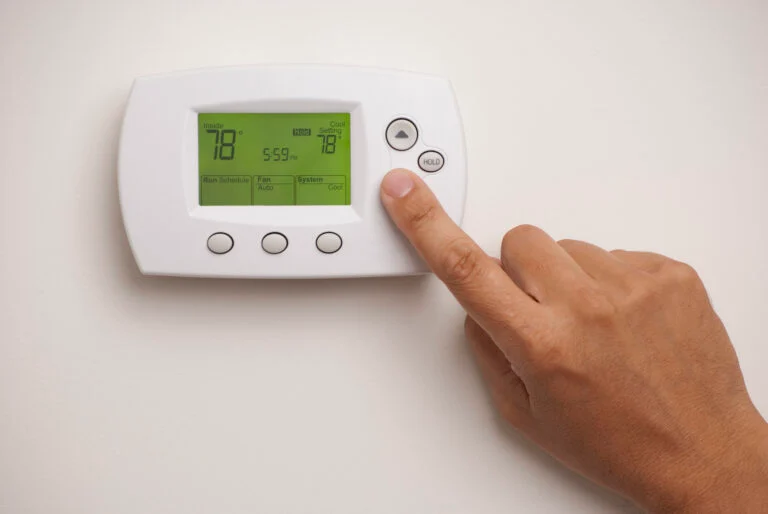
Honeywell thermostat not working? In the article below you will find the most common issues for that and how to fix them.
For decades, Honeywell has manufactured some of the industry’s best, and most reliable home thermostats. Should you find that the screen on your Honeywell unit has gone blank, even after pressing several buttons, something has gone wrong.
Because your thermostat is the main control center of the home’s HVAC system, we know how concerning a blank screen can be. The knowledgeable, and experienced team at ABC Electrical & HVAC Service is here to help.
Let's walk through some simple, but often highly effective ways to bring your Honeywell thermostat back to top operating condition, including how to perform a Honeywell thermostat reset. This troubleshooting guide has been designed to help you solve your thermostat issues easily, and quickly.
What To Do if Your Honeywell Thermostat Screen Is Blank
Are the Batteries Dead?
Honeywell thermostat not turning on? Usually, the first culprits of a failed Honeywell thermostat are the batteries. While today’s modern batteries can last quite a few years, they will all eventually run out of power. In addition, a number of factors can cause them to fail prematurely.
Remove the battery cover from your thermostat, and examine the unit’s batteries. Are they loose in the battery compartment? If not, but before you remove them, check for damage, or leakage. Then, carefully remove the batteries.
If you have a home battery tester, see if you can get a power reading from them. If replacement seems necessary, carefully insert the new batteries, making sure to orient them in the correct direction. Once installed, replace the battery cover, and test the unit for operation.
Did the Breaker Blow
Sometimes, the cause of a dead Honeywell thermostat is not from the unit itself, but due to a loss of power from the home’s breaker panel. Locate your breaker box, and try to identify which circuit is running the HVAC system.
If your panel does not have a schematic indicating which breaker powers the thermostat, an easy way to locate it is to look for a switch that is in the “off” position. A circuit in the “off” position is simple to spot, as it will be oriented in the opposite direction from the other switches in the breaker panel,
Flip the breaker back into the “on” position, and see if power to the thermostat has been restored. If not, there is still an issue with the unit itself. If the breaker blows again after returning it to the “on” position, a certified electrician should be contacted to determine the presence of an electrical fault.
Check the Safety Switch on Your HVAC System
For many decades, safety has been the top priority of every HVAC equipment manufacturer. Your home’s HVAC unit has a safety switch that is designed to monitor refrigerant pressure.
Should your heating and cooling equipment experience pressure that is either too high, or too low, the safety switch will shut the system down to protect the compressor from damage. Once the unit is turned off, the thermostat will no longer operate.
Because the safety switch is located on the system’s discharge line, great caution should be taken when inspecting it. Checking the safety switch should really be left up to highly trained professionals. to avoid both bodily injury, and equipment damage.
What is the Lifespan of a Honeywell Thermostat?
A Honeywell thermostat typically lasts around 10 years, though its lifespan can range from seven to more than 20 years depending on the model. Older mechanical thermostats often last longer—10 to 15 years or more—while newer smart thermostats may need replacement sooner, usually around seven to 10 years, due to advancing technology. Factors such as usage, maintenance, and the transition from basic analog designs to digital and smart features all play a role, with many upgrades happening for improved efficiency and functionality rather than complete failure.
Restart Your Honeywell Thermostats
If a restart to your Honeywell thermostat is indicated, follow these simple steps:
- Make sure the thermostat is in the “on” position. It might be helpful to set it to “off,” and then back to “on” again to trigger the restart.
- Depress and hold the Menu button down for 5 seconds. Count to five to ensure the unit has the proper time to recognize the command.
- Scroll though the digital menu and select “Reset.”
- Then, scroll further to find and select “Factory.”
- Confirm your selections by pressing “Yes” when prompted.
- Your Honeywell thermostat should be reset, and responding accordingly.
Need Help? ABC is a Phone Call Away!
The dedicated HVAC professionals at ABC Electrical & HVAC Service have many years of knowledge, and experience repairing all types of heating and cooling system problems. Our specially trained team can diagnose your HVAC unit’s issues, and get it operating at top performance again quickly.
Whether your Honeywell home thermostat has a blank screen, or any component of the home’s HVAC system needs a repair, or replacement, we can take care of it promptly, and efficiently.
Contact ABC Plumbing, Sewer, Heating, Cooling, and Electric at (888) 868-6667 to learn more about why we recommend Honeywell thermostats to our clients in Chicagoland and Florida. When you need heating or cooling service fast, you can count on ABC Plumbing, Sewer, Heating, Cooling, and Electric!
ABC Plumbing Locations
Arlington Heights, IL220 W Campus Dr | Largo, FL11701 S Belcher Rd Suite 127 |
Downers Grove, IL1001 Ogden Ave LL4 | Tampa, FL4326 W El Prado Blvd Suite 7 |
Evanston, IL828 Davis St UNIT 205 | |
Related blogs



Our Blog
VIEW ALL BLOGS
Clearwater, FL Leak Detection and Repair: Find Hidden Water Leaks
-
Rockford HVAC: Heating System Installation Guide
Installing a central heating system involves much more than choosing a furnace or heat pump. This guide walks Rockford-area homeowners through the professional installation process, including system sizing, ductwork, permits, venting, electrical connections, thermostat setup, and final commissioning. It also explains which tasks may be DIY-friendly, when licensed professionals are needed, and how proper installation and annual maintenance can improve comfort, efficiency, safety, and system longevity.READ MORE -
Tampa, FL Electrical Safety Inspections Checklist
Your electrical panel is the heart of your home’s electrical system, and regular inspections can help identify potential hazards before they lead to outages, equipment damage, or fire risks. This guide explains what Tampa Bay homeowners can safely check themselves and what licensed electricians inspect inside the panel, including breakers, wiring, grounding, corrosion, GFCI/AFCI protection, and surge protection. It also covers common warning signs, inspection frequency, and when repairs or upgrades may be necessary to keep your home safe and code-compliant.READ MORE -
Rockford, IL Plumbing: DIY Risks for General Plumbing
DIY plumbing can save money on simple projects, but more complex work can lead to leaks, water damage, code violations, and safety concerns when handled incorrectly. This guide explains which plumbing tasks homeowners can safely tackle themselves and when it’s best to call a licensed professional. It also covers common DIY mistakes, permits and code requirements, hidden costs, and how professional plumbing service can protect your home, warranties, and investment.READ MORE
Our Promises To You
-

Convenient For You
We Work on Your Schedule
-

Background Checks
We do Drug Tests And Background Checks Before Hiring
-

No Need For Stress
Get ABCs Worry-Free Guarantee at No Cost
-

No Surprises
Pricing is By the Job, Not the Hour