

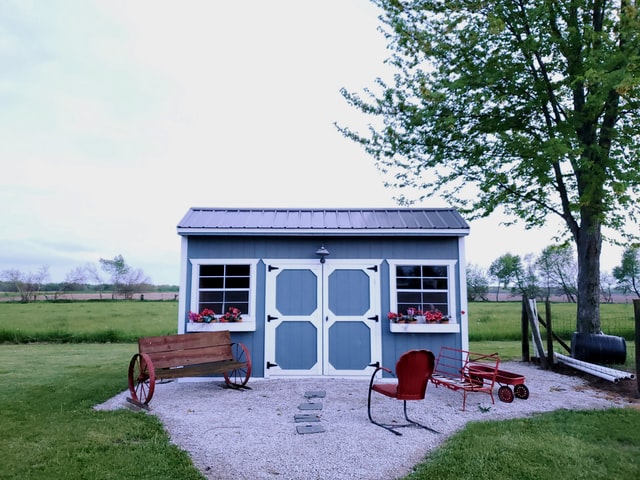
In response to the coronavirus pandemic, more people are working from home these days than ever before. Maybe the transition started as a temporary arrangement, but now that it’s becoming more long-term, your setup needs some attention. This might have you thinking — what if you converted your shed or other outdoor building into a home office? The key to any home office is a reliable electrical system. If your shed is not currently wired to power a computer, printer, modem and router, lighting, fans, and space heaters, it’s time to get busy! Wiring an outdoor building is not as difficult as it seems. Even if you’re not working from home, a wired shed will increase your property value if you ever decide to sell. Need help running electricity to your shed-turned-home-office? ABC Plumbing, Sewer, Heating, Cooling and Electric offers the services you need. Contact us at 888-868-6667 for more information or to schedule electrical services in the Chicago area.
Obtaining a Permit
Before you begin the process of wiring your shed, you must determine whether you will need a permit. Unless you’re simply running an outdoor extension cord across the lawn, you most likely will. Municipal providers require a permit anytime property owners make an electrical repair or addition. Skipping this step could result in fines, difficulty selling your home, or denied insurance coverage if non-permit installations cause a fire or other damage.
Upgrading the Service Panel
If you only need enough power to run a lamp, modem, and laptop computer, the 200-amp service panel found in most modern homes should be able to handle the extra load. However, if you plan to run heaters, portable air conditioners, and other energy-hogging electronics, the project may call for wiring a subpanel. This upgrade requires the help of a qualified electrician.
Options for Running Power to a Shed
You have several options for adding electricity to an outdoor building:
- Use an extension cord: It’s easy to run an extension cord to the shed if you only need a single outlet. Just be aware that extending more than one wire from the house to the shed is against code. Plus, using an extension cord is only suitable for temporary work, not to facilitate a permanent home office.
- String electrical wires overhead: This older method was once the go-to for wiring any building. It’s a code-approved solution if digging is not a viable option. Just be aware that heavier gauge wire may be required, and working with an electrician is highly recommended.
- Install a direct burial cable: Thick casing around an underground feeder (UF) cable makes it possible to bury the wire directly in the ground. This solution is code-approved while being simpler and cheaper to install than an underground conduit. However, the cable could be susceptible to damage from earth movement and is harder to replace years from now.
- Install an underground conduit: This is the most stable, professional way to wire a shed. It involves running a wire through a PVC pipe or flexible metal conduit from the house to the shed. The installation is more time-consuming and requires digging a trench, but the reliable, long-lasting results are usually worth it.
Get Help Wiring Your Shed
Every homeowner will have a different experience wiring a shed because no two properties are exactly alike. At the very least, be sure to contact an electrician for advice about your service panel and obtaining a permit. If you don’t have much electrical expertise, it could be best to leave the entire job to a trained professional. You’ll enjoy peace of mind, knowing the project is completed safely and with code compliance in mind. You can also get help upgrading your service panel if necessary. For help wiring a shed or performing other electrical upgrades, please contact ABC at 888-868-6667.
ABC Plumbing Locations
Arlington Heights, IL220 W Campus Dr | Largo, FL11701 S Belcher Rd Suite 127 |
Downers Grove, IL1001 Ogden Ave LL4 | Tampa, FL4326 W El Prado Blvd Suite 7 |
Evanston, IL828 Davis St UNIT 205 | |
Related blogs


Our Blog
VIEW ALL BLOGS
Chicago Northwest Suburbs Emergency Plumbing Prices – 24/7 Plumber Costs
-
Tampa, FL Duct Services: Fix Leaking Air Ducts Fast
Leaky air ducts can waste energy, increase utility bills, reduce indoor air quality, and create uneven temperatures throughout your home. This guide explains how Tampa Bay homeowners can recognize the warning signs of duct leaks, identify common problem areas, and determine when DIY sealing or professional service is the best solution. It also explores the benefits of Aeroseal duct sealing, including improved airflow, more consistent comfort, better humidity control, and increased HVAC efficiency, along with costs, maintenance tips, and what to expect during professional duct sealing.READ MORE -
How to Inspect Your Electrical Panel Safely | Homeowner Guide
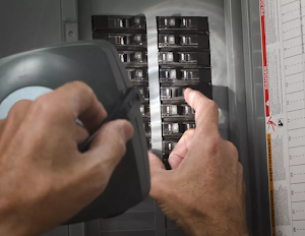
Your electrical panel plays a critical role in safely powering your home, making it important to recognize potential problems before they become serious. This video guide shows homeowners how to perform a basic visual inspection and identify warning signs such as burn marks, corrosion, loose breakers, overloaded panels, and outdated wiring. Learn what a healthy electrical panel should look like, which issues require immediate attention, and when it’s time to call a professional electrician for help.READ MORE -
Clearwater, FL Leak Detection and Repair: Find Hidden Water Leaks
Hidden water leaks can lead to higher water bills, mold, damaged flooring, and costly repairs if they go undetected. This guide shows Tampa Bay homeowners how to identify potential leaks using water meter tests, visual warning signs, room-by-room checks, and isolation techniques. It also explains how professionals use non-invasive technology like acoustic listening and thermal imaging to pinpoint concealed and slab leaks while minimizing damage to your home.READ MORE
Our Promises To You
-

Convenient For You
We Work on Your Schedule
-

Background Checks
We do Drug Tests And Background Checks Before Hiring
-

No Need For Stress
Get ABCs Worry-Free Guarantee at No Cost
-

No Surprises
Pricing is By the Job, Not the Hour