


In this article, you will learn:
Common AC problems during summer include refrigerant leaks, lack of maintenance, electrical control failures, sensor issues, and clogged condensate drain lines—all of which can reduce cooling performance and efficiency.
Warning signs like warm air, ice buildup, frequent cycling, high energy bills, water leaks, or burning smells indicate your system needs attention.
Preventative maintenance and professional service—including regular filter changes, annual tune-ups, and prompt repairs—help avoid costly breakdowns and keep your home comfortable all season long.
When the summer heat is in full swing, the last thing you want is a malfunctioning air conditioner. Unfortunately, many homeowners experience issues with their air conditioning systems when they need them the most. Understanding common problems and how to address them can help you avoid costly repairs and maintain a comfortable home environment.
1. Refrigerant Leaks
Refrigerant is the essential component that enables your air conditioner to produce cool air. When the refrigerant levels are insufficient due to leaks, you may notice that your home isn’t cooling properly despite the air conditioner running.
Signs of a Refrigerant Leak:
- Warm air blowing from the vents.
- Higher-than-usual energy bills.
- Ice buildup on the refrigerant lines or coils.
- A noticeable hissing sound near the unit.
Refrigerant leaks are not only detrimental to your cooling system's efficiency but also harmful to the environment. It's important to contact a professional HVAC technician to identify and repair the leak and ensure the refrigerant levels match the manufacturer's specifications. Avoid attempting to add refrigerant yourself, as improper handling can lead to further damage or safety hazards.
2. Lack of Maintenance
Regular air conditioning maintenance is vital for the longevity and efficiency of your air conditioning system. Neglecting routine upkeep can lead to a host of issues, including compressor failure, fan malfunctions, and poor airflow.
Key Maintenance Tasks:
- Cleaning or replacing the air filter every one to three months.
- Removing debris from around the outdoor unit.
- Inspecting the evaporator and condenser coils for dirt buildup.
- Checking the condensate drain for clogs or blockages.
Scheduling an annual tune-up with a professional HVAC technician ensures your system operates efficiently and reduces the risk of unexpected breakdowns. Proper maintenance can also lower energy bills and improve indoor air quality.
3. Electrical Control Failure
Over time, the electrical components in your air conditioning system can degrade due to wear and tear. The compressor and fan controls, as well as the wiring, are especially susceptible to corrosion and damage.
Indicators of Electrical Issues:
- Frequent cycling on and off.
- Unresponsive thermostat controls.
- Tripped circuit breakers or blown fuses.
- Burning smells or visible damage to wires.
Regular inspections by a qualified HVAC technician can help identify and resolve electrical problems before they escalate. During a service call, the technician will examine all electrical connections and contacts to ensure they are secure and functioning correctly.
4. Sensor Problems
Many air conditioners have a thermostat sensor located near the evaporator coil. This sensor measures the air temperature entering the coil and adjusts cooling accordingly. If the sensor is misaligned or damaged, the air conditioner may behave erratically.
How to Address Sensor Issues:
- Ensure the sensor is positioned near the evaporator coil but not touching it.
- Check for loose or disconnected wires leading to the sensor.
- Consult a professional for sensor calibration or replacement.
5. Clogged Drain Lines
The condensate drain line is responsible for removing excess moisture from your air conditioner. Over time, dirt and debris can clog the line, causing water to back up into the system or leak into your home.
Preventing and Fixing Clogs:
- Regularly inspect the drain line for blockages.
- Flush the line with a mixture of vinegar and water to dissolve buildup.
- Use a wet/dry vacuum to remove stubborn clogs.
If the problem persists, a professional HVAC technician can perform a thorough cleaning and ensure the drain line is functioning correctly.
Call ABC for Expert Air Conditioning Services
Experiencing problems with your air conditioner? Don’t let common issues compromise your comfort. The team at ABC Plumbing, Sewer, Heating, Cooling, and Electric is here to help. Whether you need routine maintenance, repairs, or a complete system replacement, our experienced technicians have you covered. Scroll down to find the nearest location and give us a call today!
ABC Plumbing Locations
Arlington Heights, IL220 W Campus Dr | Largo, FL11701 S Belcher Rd Suite 127 |
Downers Grove, IL1001 Ogden Ave LL4 | Tampa, FL4326 W El Prado Blvd Suite 7 |
Evanston, IL828 Davis St UNIT 205 | |
Related blogs



Our Blog
VIEW ALL BLOGS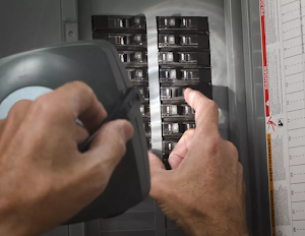
How to Inspect Your Electrical Panel Safely | Homeowner Guide
-
Clearwater, FL Leak Detection and Repair: Find Hidden Water Leaks
Hidden water leaks can lead to higher water bills, mold, damaged flooring, and costly repairs if they go undetected. This guide shows Tampa Bay homeowners how to identify potential leaks using water meter tests, visual warning signs, room-by-room checks, and isolation techniques. It also explains how professionals use non-invasive technology like acoustic listening and thermal imaging to pinpoint concealed and slab leaks while minimizing damage to your home.READ MORE -
Rockford HVAC: Heating System Installation Guide
Installing a central heating system involves much more than choosing a furnace or heat pump. This guide walks Rockford-area homeowners through the professional installation process, including system sizing, ductwork, permits, venting, electrical connections, thermostat setup, and final commissioning. It also explains which tasks may be DIY-friendly, when licensed professionals are needed, and how proper installation and annual maintenance can improve comfort, efficiency, safety, and system longevity.READ MORE -
Tampa, FL Electrical Safety Inspections Checklist
Your electrical panel is the heart of your home’s electrical system, and regular inspections can help identify potential hazards before they lead to outages, equipment damage, or fire risks. This guide explains what Tampa Bay homeowners can safely check themselves and what licensed electricians inspect inside the panel, including breakers, wiring, grounding, corrosion, GFCI/AFCI protection, and surge protection. It also covers common warning signs, inspection frequency, and when repairs or upgrades may be necessary to keep your home safe and code-compliant.READ MORE
Our Promises To You
-
Convenient For You
We Work on Your Schedule
-

Background Checks
We do Drug Tests And Background Checks Before Hiring
-

No Need For Stress
Get ABCs Worry-Free Guarantee at No Cost
-

No Surprises
Pricing is By the Job, Not the Hour