


In this article, you will learn:
Control winter humidity by improving ventilation in kitchens, bathrooms, and laundry areas with properly vented exhaust fans.
Reduce condensation on windows and cold surfaces by boosting airflow, opening blinds for sunlight, and upgrading to better-insulated windows.
Maintain healthy indoor humidity levels (30–50%) with a hygrometer, sealing drafts, and using dehumidifiers or HVAC upgrades when needed.
To control excess humidity during the winter, focus on maintaining proper ventilation, reducing condensation, and ensuring your home’s humidity levels stay between 30-50%.
High indoor humidity can lead to condensation on windows, mildew growth, and even structural damage. Here are 5 practical tips to help you manage moisture and maintain a healthy indoor environment.
1. Ensure Proper Ventilation
Kitchens, bathrooms, and laundry rooms are the primary sources of humidity in most homes. Use exhaust fans to vent humid air outside, not into the attic or other interior spaces. If your home doesn’t have proper ventilation, consider installing vent fans to prevent excess moisture buildup. Regularly clean and maintain these fans to ensure optimal performance.
2. Address Excess Condensation
Condensation occurs when warm, moist air meets cold surfaces like windows and doors. To reduce condensation:
- Install storm doors and double- or triple-paned windows to create a barrier against outdoor temperatures.
- Open drapes and blinds on sunny winter days to allow natural sunlight to warm surfaces.
- Leave interior doors open to improve air circulation throughout your home.
By managing condensation, you can protect your home from moisture damage and maintain a comfortable living space.
3. Monitor and Maintain Humidity Levels
Use a hygrometer or digital weather station to measure indoor humidity levels. Aim to keep humidity between 30-50%. If levels are too high, consider using a dehumidifier to remove excess moisture from the air. Dehumidifiers are especially helpful in basements or other areas prone to dampness.
4. Seal Cracks and Leaks
Gaps around windows, doors, and other exterior openings can let in cold air and increase condensation. Seal cracks and leaks with weatherstripping or caulking to prevent drafts and maintain consistent indoor humidity levels.
5. Consider HVAC Upgrades
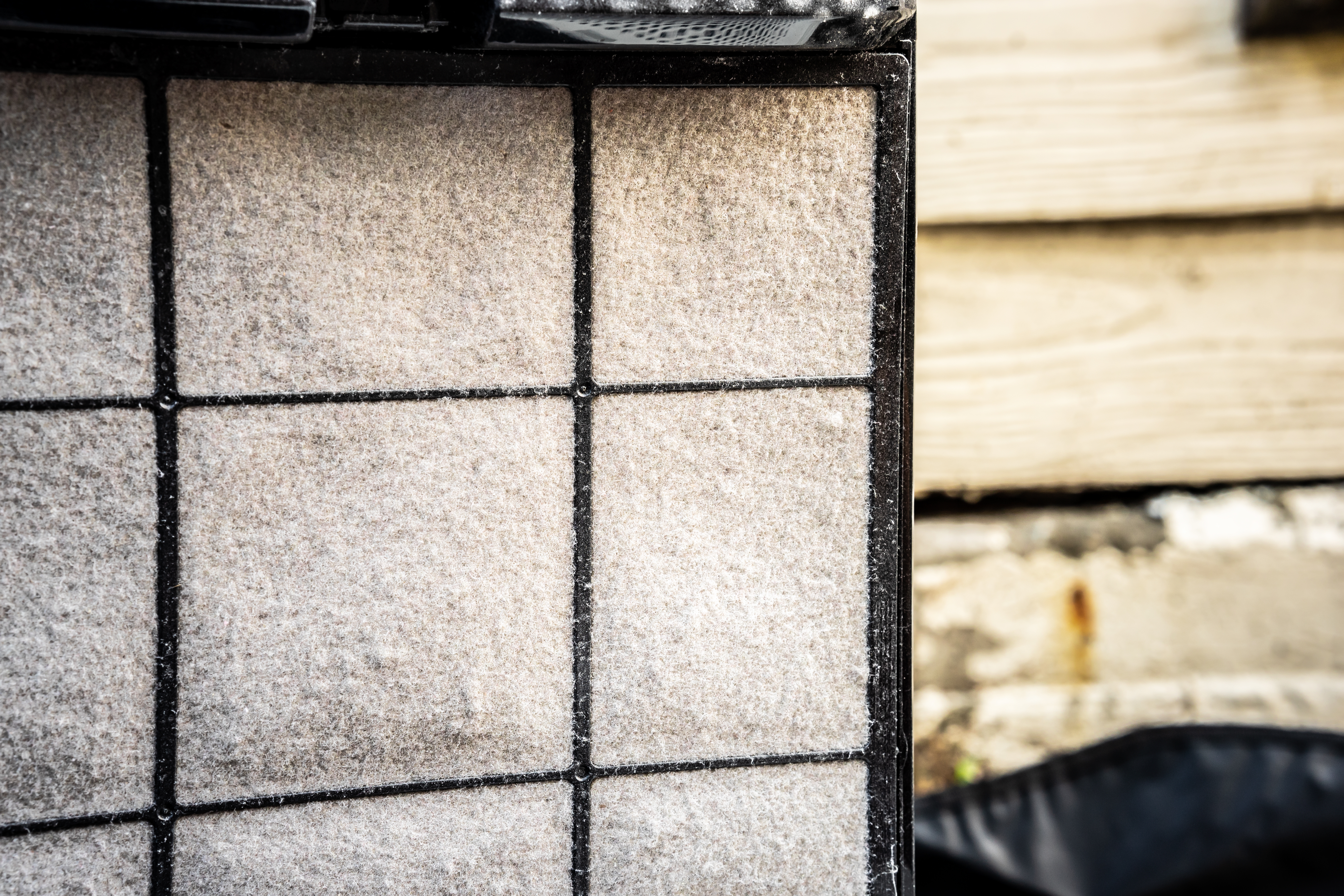
Your HVAC system plays a significant role in managing indoor air quality and humidity. Regular maintenance, including cleaning filters and ducts, ensures your system operates efficiently. For advanced humidity control, consider upgrading to a whole-home humidifier or dehumidifier integrated with your HVAC system.
Will Turning Up the Heat Reduce Humidity in the Home?
Increasing your heat could reduce relative humidity in your home, but may be a short-term fix to an issue that requires a long-term permanent solution. Consider the professionals to come into your home and analyze your current HVAC system and suggest upgrades that could resolve this issue better, moving forward.
Why Choose ABC for Humidity Control Solutions?
At ABC Plumbing, Heating, Sewer, and HVAC, we specialize in helping homeowners maintain comfortable, healthy indoor environments. Our team can assess your home’s humidity levels, recommend effective solutions, and provide professional installation and maintenance services. From improving ventilation to upgrading your HVAC system, we’re here to help.
In addition to humidity control, we offer comprehensive plumbing, heating, and cooling services to ensure your home operates efficiently throughout the winter.
Contact ABC for Expert Help with Humidity Control
Don’t let excess humidity damage your home or affect your health this winter. Contact ABC today to schedule an inspection or learn more about our services. Serving Chicagoland and surrounding areas, we’re your trusted partner for home comfort and efficiency.
ABC Plumbing Locations
Arlington Heights, IL220 W Campus Dr | Largo, FL11701 S Belcher Rd Suite 127 |
Downers Grove, IL1001 Ogden Ave LL4 | Tampa, FL4326 W El Prado Blvd Suite 7 |
Evanston, IL828 Davis St UNIT 205 | |
Related blogs


Our Blog
VIEW ALL BLOGS
Chicago Northwest Suburbs Emergency Plumbing Prices – 24/7 Plumber Costs
-
How to Inspect Your Electrical Panel Safely | Homeowner Guide
Your electrical panel plays a critical role in safely powering your home, making it important to recognize potential problems before they become serious. This video guide shows homeowners how to perform a basic visual inspection and identify warning signs such as burn marks, corrosion, loose breakers, overloaded panels, and outdated wiring. Learn what a healthy electrical panel should look like, which issues require immediate attention, and when it’s time to call a professional electrician for help.READ MORE -
Rockford HVAC: Heating System Installation Guide
Installing a central heating system involves much more than choosing a furnace or heat pump. This guide walks Rockford-area homeowners through the professional installation process, including system sizing, ductwork, permits, venting, electrical connections, thermostat setup, and final commissioning. It also explains which tasks may be DIY-friendly, when licensed professionals are needed, and how proper installation and annual maintenance can improve comfort, efficiency, safety, and system longevity.READ MORE -
Rockford, IL Plumbing: DIY Risks for General Plumbing
DIY plumbing can save money on simple projects, but more complex work can lead to leaks, water damage, code violations, and safety concerns when handled incorrectly. This guide explains which plumbing tasks homeowners can safely tackle themselves and when it’s best to call a licensed professional. It also covers common DIY mistakes, permits and code requirements, hidden costs, and how professional plumbing service can protect your home, warranties, and investment.READ MORE
Our Promises To You
-

Convenient For You
We Work on Your Schedule
-

Background Checks
We do Drug Tests And Background Checks Before Hiring
-

No Need For Stress
Get ABCs Worry-Free Guarantee at No Cost
-

No Surprises
Pricing is By the Job, Not the Hour
.png)