


In this article, you'll learn:
A whole house humidifier adds balanced moisture to your home’s air, improving comfort and maintaining ideal indoor humidity levels between 30–50% during dry winter months.
It supports better health by reducing dry skin, irritated sinuses, allergy symptoms, and the spread of airborne viruses.
Proper humidity also protects your home by preventing cracks in wood floors, furniture, and paint while helping your heating system run more efficiently.
Winter’s cold air doesn’t just chill you to the bone; it also significantly reduces humidity levels in your home, leaving your living space uncomfortably dry.
A whole house humidifier is the perfect solution, providing balanced humidity to improve health, comfort, and the longevity of your home. Let’s explore the benefits, functionality, and reasons to consider installing one.
What Is a Whole House Humidifier?
A whole house humidifier integrates with your home's heating system to add water vapor to the air circulating through your ducts. Unlike portable humidifiers, which only humidify a single room, whole house humidifiers maintain consistent humidity levels throughout your entire home. Controlled via your thermostat, these systems ensure optimal humidity, just like they regulate temperature.
Key Benefits of a Whole House Humidifier
1. Healthier Air
Low humidity creates an environment where viruses, such as the flu, thrive. Dry air can also irritate nasal passages, throats, and skin, leading to increased susceptibility to colds, respiratory issues, and allergies. By maintaining indoor humidity levels between 30% and 50%, a whole house humidifier helps protect your family from these health concerns.
2. Enhanced Comfort
Dry air exacerbates discomfort during winter by causing issues like:
- Static shocks.
- Dry, itchy skin.
- Sore throats and dry noses.
- Chapped lips.
With a whole house humidifier, you’ll feel warmer at lower thermostat settings because humid air retains heat better, potentially lowering energy bills.
3. Protects Your Home
Dry air doesn’t just affect your health; it also takes a toll on your home. Low humidity can cause:
- Cracks in wood floors, furniture, and doors.
- Damage to delicate musical instruments like guitars and pianos.
- Peeling wallpaper and cracked paint.
- Increased dust and dirt circulation.
Proper humidity levels help preserve the integrity of your home and its contents.
How Does a Whole House Humidifier Work?
Whole house humidifiers connect to your home’s HVAC system and use water vapor to humidify the air. Here’s how they operate:
- Water Supply: The humidifier draws water from your home’s plumbing system.
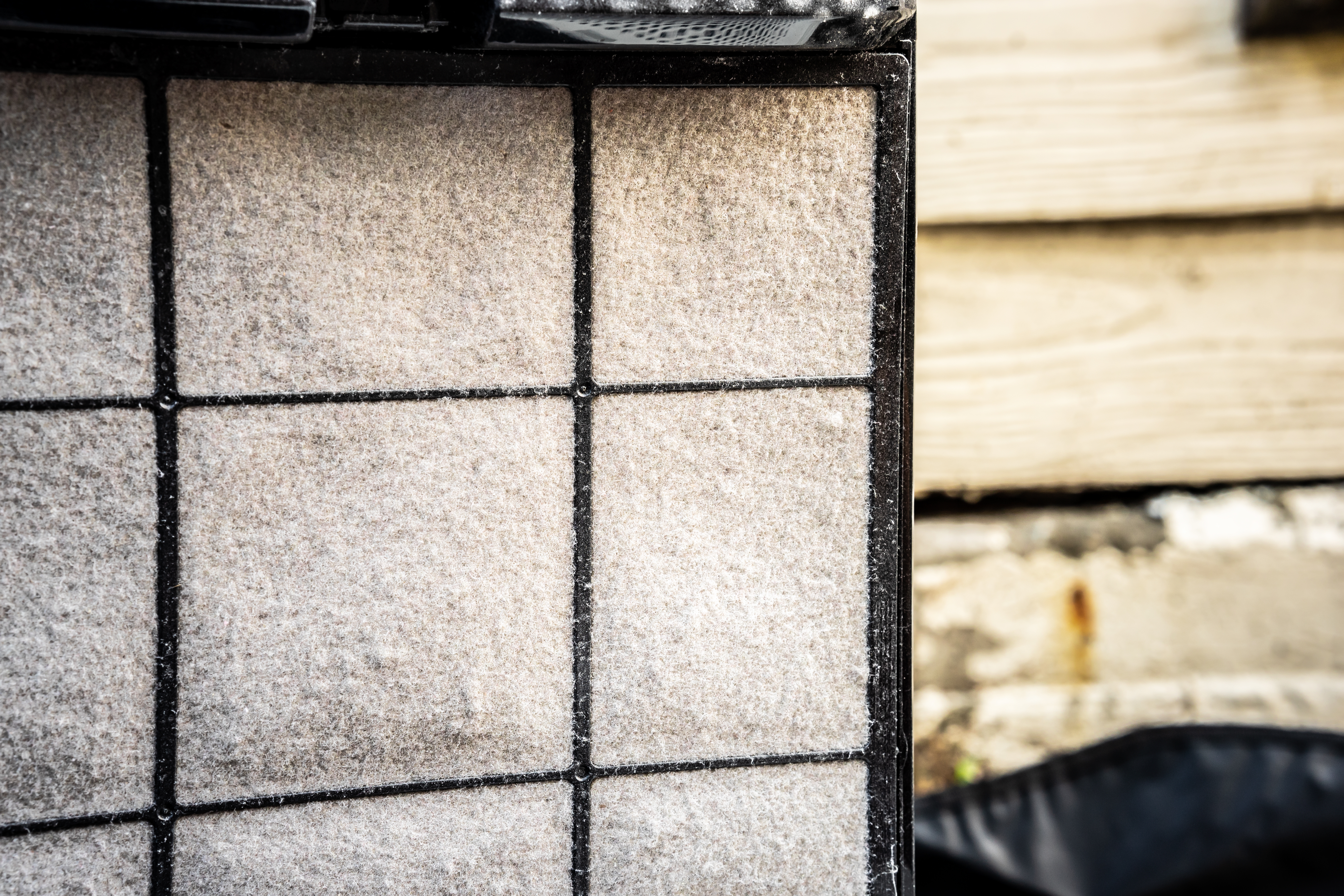
- Evaporation: The water passes through a humidifier pad or filter where it is evaporated.
- Distribution: The humidified air is pushed through your ductwork and circulated throughout your home.
- Control: The system is managed through your thermostat, ensuring consistent humidity levels.
Who Should Consider a Whole House Humidifier?
A whole house humidifier is ideal for:
- Families with young children or elderly members who are more susceptible to dry air-related illnesses.
- Homeowners with wood floors, furniture, or musical instruments that require balanced humidity.
- Those living in regions with dry winters.
- Individuals experiencing dry skin, allergies, or respiratory issues during the winter months.
Maintenance Tips for Whole House Humidifiers
To keep your humidifier running efficiently, follow these maintenance tips:
- Clean or replace the humidifier pad/filter annually to prevent mold and mineral buildup.
- Inspect water connections and valves regularly for leaks.
- Ensure the system is properly set for seasonal changes—lower humidity in summer, higher in winter.
- Schedule an annual inspection with a professional HVAC technician to ensure optimal performance.
FAQs About Whole House Humidifiers
- How much does a whole house humidifier cost?
The cost of installation varies but generally ranges between $400 and $1,200, depending on the unit and your HVAC system. - Do whole house humidifiers waste water?
Modern systems are designed to minimize water waste by recycling or optimizing water use. - Can a humidifier make my home too humid?
No, as long as the thermostat or humidistat is correctly set, the system will maintain balanced humidity levels.
Call ABC for Professional Installation
Ready to enjoy the comfort and health benefits of a whole house humidifier? At ABC Plumbing, Sewer, Heating, Cooling, and Electric, we offer expert installation, maintenance, and repair services to ensure your home remains cozy and protected all winter long.
Scroll further down this page, locate the location closest to you, and click the phone number to call us. Let us help you create a more comfortable and healthy living space today!
ABC Plumbing Locations
Arlington Heights, IL220 W Campus Dr | Largo, FL11701 S Belcher Rd Suite 127 |
Downers Grove, IL1001 Ogden Ave LL4 | Tampa, FL4326 W El Prado Blvd Suite 7 |
Evanston, IL828 Davis St UNIT 205 | |
Related blogs


Our Blog
VIEW ALL BLOGS
Rockford HVAC: Heating System Installation Guide
-
Rockford, IL Plumbing: DIY Risks for General Plumbing
DIY plumbing can save money on simple projects, but more complex work can lead to leaks, water damage, code violations, and safety concerns when handled incorrectly. This guide explains which plumbing tasks homeowners can safely tackle themselves and when it’s best to call a licensed professional. It also covers common DIY mistakes, permits and code requirements, hidden costs, and how professional plumbing service can protect your home, warranties, and investment.READ MORE -
McHenry, IL Heating System Repairs: 5 Common Furnace Issues
Furnace problems can quickly become serious during a Chicagoland winter. This guide covers five common issues—including no heat, short cycling, cold air, strange noises, ignition problems, and uneven heating—along with safe troubleshooting steps homeowners can try first. It also explains when to call a professional, how annual maintenance can prevent breakdowns, and when replacing an aging furnace may make more sense than another repair.READ MORE -
Winter is Coming: Ensure Your Heater is Ready in Chicagoland
Preparing your heating system before Chicagoland’s coldest weather arrives can help prevent unexpected breakdowns, improve energy efficiency, and keep your home comfortable all winter. This article highlights the importance of regular heater and furnace maintenance, professional inspections, and early service to identify potential problems before they become costly emergencies. With proactive maintenance and trusted professional support, homeowners can enjoy greater reliability, efficiency, and peace of mind throughout the heating season.READ MORE
Our Promises To You
-

Convenient For You
We Work on Your Schedule
-

Background Checks
We do Drug Tests And Background Checks Before Hiring
-

No Need For Stress
Get ABCs Worry-Free Guarantee at No Cost
-

No Surprises
Pricing is By the Job, Not the Hour
.png)