

A properly functioning plumbing system should keep unpleasant odors from entering your home. If you notice persistent or foul smells, it could be a sign of underlying plumbing issues.
These odors can originate in various areas of your home, such as the bathroom, kitchen, or basement. Understanding the causes and solutions can help you address the problem quickly and maintain a fresh and clean living environment.
Bathroom Plumbing Odors
Bathrooms are one of the most common sources of plumbing-related odors. If you detect foul smells when flushing the toilet, several factors might be at play:
- Worn Toilet Wax Ring: The wax ring seals the toilet to the floor, preventing air from escaping. When this seal is damaged or worn, air and odors can escape between the toilet and the floor. Replace the wax ring to restore the seal.
- Blocked Roof Vent: Plumbing systems use a vent stack to release air through the roof. If this vent is obstructed by debris, leaves, or ice, air pressure forces odors back into the home. Ensure the vent is clear to allow proper airflow.
Tip: If you’re unsure about replacing a wax ring or inspecting the roof vent, call a professional plumber for assistance.
Basement Plumbing Odors
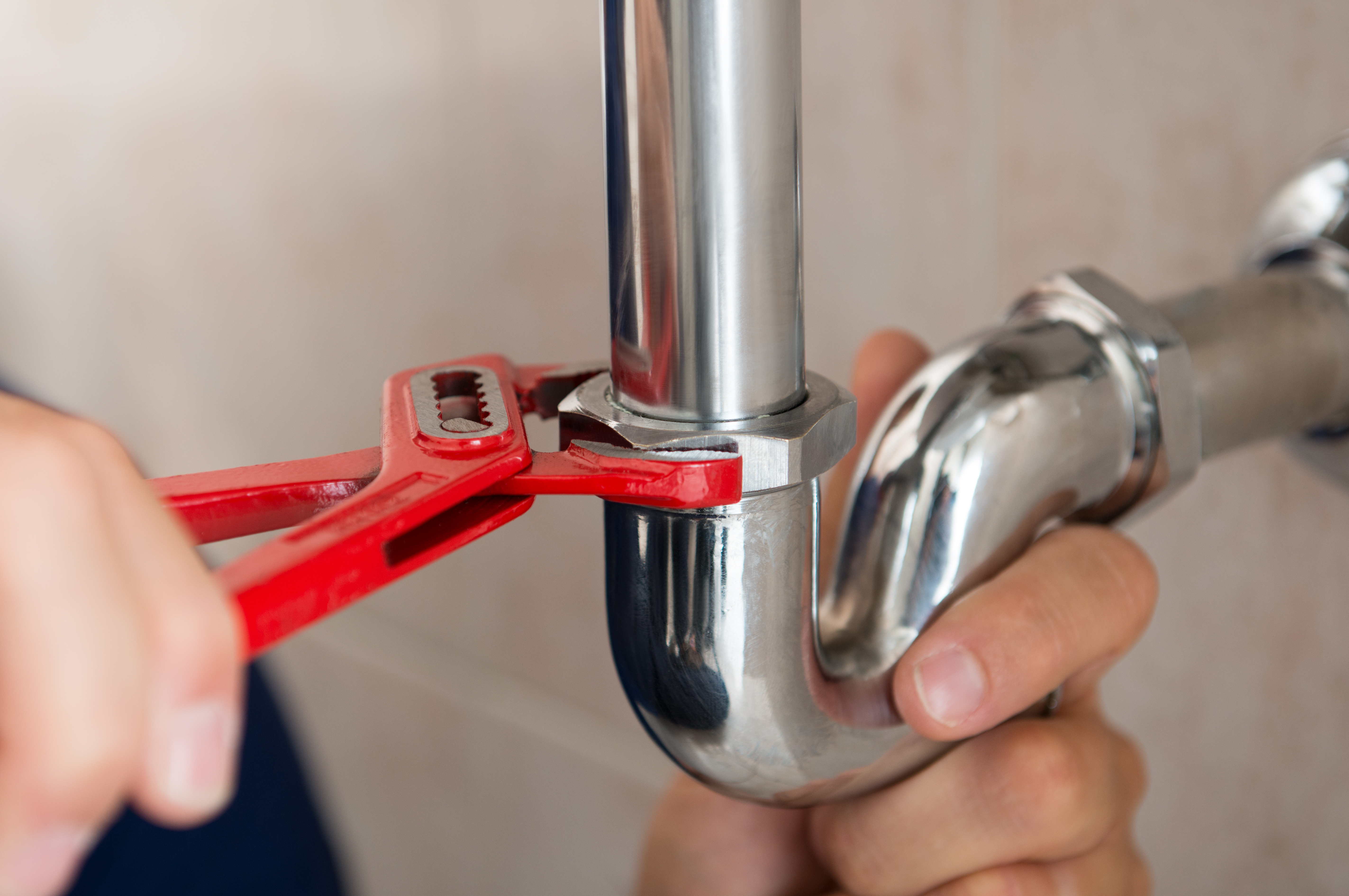
Basements can develop plumbing odors due to dry traps or infrequent use of plumbing fixtures. Traps are U-shaped pipes that retain water, creating a seal that blocks sewer gases from entering your home.
- Dry Traps: When water in the trap evaporates, it breaks the seal, allowing odors to escape. Pouring a bucket of water into unused drains, floor traps, or sinks can restore the seal.
- Infrequent Use: If fixtures in the basement, such as utility sinks or shower drains, are rarely used, the water seal may dry out. Regularly running water through these fixtures can prevent odors.
Tip: Add a small amount of mineral oil to rarely used traps to slow evaporation and keep the seal intact.
Kitchen Plumbing Odors
Foul odors in the kitchen often originate from the garbage disposal or clogged drains. Food particles and grease buildup can create unpleasant smells if not cleaned regularly.
- Garbage Disposal Maintenance: Grind ice cubes and lemon peels in the disposal to clean the blades and remove food debris. Follow this with a small amount of liquid dish soap and a thorough rinse with cold water for 30 seconds.
- Clogged Drains: Grease and food particles can accumulate in kitchen drains, causing blockages and odors. Use a mixture of baking soda and vinegar to break down grease, followed by hot water to flush the drain.
Tip: Avoid putting fibrous or starchy foods, like potato peels or celery, into the disposal, as they can clog the system.
Additional Tips for Eliminating Plumbing Odors
1. Clean Vent Pipes
If multiple drains in your home emit foul odors, the problem could be a clogged vent pipe. Vent pipes regulate air pressure in the plumbing system and allow sewer gases to escape. Blockages in the vent can force odors into the home.
- Solution: Inspect and clear vent pipes on the roof. If this is not feasible, consult a plumber for assistance.
2. Address Sewer Line Issues
Persistent odors throughout the house may indicate a problem with the main sewer line, such as cracks or blockages.
- Solution: Schedule a professional sewer line inspection using a video camera to identify and address issues like tree root intrusion or pipe damage.
3. Use Enzyme Cleaners
Enzyme-based cleaners are effective at breaking down organic buildup in pipes and drains, reducing odors without harsh chemicals.
- Tip: Use enzyme cleaners monthly to maintain clean drains and prevent future odors.
When to Call a Professional
If you’ve tried these solutions and still experience persistent odors, it may be time to contact a professional plumber. Here’s when to seek help:
- The odor is present throughout the house, suggesting a larger plumbing issue.
- Drains are slow, indicating potential clogs or sewer line problems.
- You cannot access or clear a blocked vent pipe safely.
Professional plumbers can diagnose the issue, perform necessary repairs, and provide recommendations to prevent future problems.
Frequently Asked Questions (FAQs)
Q: What causes plumbing odors?
A: Plumbing odors are typically caused by dry traps, clogs, blocked vent pipes, or issues with the sewer line.
Q: How can I prevent plumbing odors?
A: Regular maintenance, such as running water through unused drains, cleaning garbage disposals, and keeping vent pipes clear, can prevent odors.
Q: Is it safe to use chemical drain cleaners for odors?
A: Chemical cleaners can damage pipes over time. Use enzyme-based cleaners or natural solutions like baking soda and vinegar instead.
Need Expert Plumbing Services?
If you’re dealing with persistent plumbing odors, ABC Plumbing, Sewer, Heating, Cooling, and Electric is here to help. Our experienced team serves Chicago and neighboring towns, providing reliable solutions for all your plumbing needs.
Scroll further down the page, locate the ABC Plumbing location closest to you, and click the phone number to call us. Don’t let plumbing odors disrupt your comfort—contact us today for professional assistance and lasting solutions.
ABC Plumbing Locations
Arlington Heights, IL220 W Campus Dr | Largo, FL11701 S Belcher Rd Suite 127 |
Downers Grove, IL1001 Ogden Ave LL4 | Tampa, FL4326 W El Prado Blvd Suite 7 |
Evanston, IL828 Davis St UNIT 205 | |
Related blogs


Our Blog
VIEW ALL BLOGS
Tampa, FL Electrical Safety Inspections Checklist
-
Rockford, IL Plumbing: DIY Risks for General Plumbing
DIY plumbing can save money on simple projects, but more complex work can lead to leaks, water damage, code violations, and safety concerns when handled incorrectly. This guide explains which plumbing tasks homeowners can safely tackle themselves and when it’s best to call a licensed professional. It also covers common DIY mistakes, permits and code requirements, hidden costs, and how professional plumbing service can protect your home, warranties, and investment.READ MORE -
Palm Harbor Electrical Panel & Service Upgrade Costs
Upgrading your electrical panel can improve your home’s safety, reliability, and capacity for future electrical needs. This guide explains what affects electrical panel upgrade costs in Tampa Bay, including amperage, service equipment, grounding, permits, code corrections, and labor. It also covers signs you may need an upgrade, what to expect during installation, and ways to save without compromising safety or quality.READ MORE -
McHenry, IL Heating System Repairs: 5 Common Furnace Issues
Furnace problems can quickly become serious during a Chicagoland winter. This guide covers five common issues—including no heat, short cycling, cold air, strange noises, ignition problems, and uneven heating—along with safe troubleshooting steps homeowners can try first. It also explains when to call a professional, how annual maintenance can prevent breakdowns, and when replacing an aging furnace may make more sense than another repair.READ MORE
Our Promises To You
-

Convenient For You
We Work on Your Schedule
-

Background Checks
We do Drug Tests And Background Checks Before Hiring
-

No Need For Stress
Get ABCs Worry-Free Guarantee at No Cost
-

No Surprises
Pricing is By the Job, Not the Hour