

According to the National Fire Protection Association (NFPA), electrical failures or malfunctions were a contributing factor in an estimated 46,500 U.S. home fires in 2010. These fires caused 420 deaths, 1,520 injuries, and $1.5 billion in property damage. And yet fire is not the only danger. Thousands of children and adults are critically injured and electrocuted annually from electrical hazards in the home. Most of these electrical accidents are entirely preventable. By installing a few inexpensive electrical safety devices you can help protect your family from the danger of electrical shock and fires.
Tamper Resistant Receptacles
One of the most common causes of electrical shock in homes with young children is unprotected electrical outlets. While plastic covers can provide some measure of protection, kids quickly learn how easy they are to remove, or adults simply forget to put them back on after using the outlet. Fortunately, there are new outlet designs with built-in tamper protection that prevent an foreign objects other than electrical plugs from being inserted into the outlet.
GFCI Outlets
If you live in an older home without Ground Fault Interruption (GFI) outlets your family is at greater risk of electrocution. GFIs are designed to turn off in the event that an electrical appliance plugged in to an outlet comes into contact with water, such as a hairdryer falling into a sink of water. If you live in a newer home with GFCI outlets already installed, it's important to ensure the devices are operating correctly by using the test function built in to most GFCI outlets.
Arc Fault Circuit Interrupters (AFCIs)
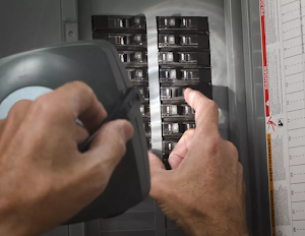
Arc fault circuit interrupters, or AFCIs, are devices that provide a higher level of protection by detecting hazardous arcing conditions and shutting down the electricity before a fire can start. There are three main types of AFCIs. Branch/feeder AFCIs, the most common type of AFCIs, replace standard circuit breakers in your home's electrical service panel and provides arc-fault protection to the entire branch-circuit from the service panel to the outlets. Outlet AFCIs are receptacles that provide protection to power cords and things that are plugged into the receptacle. Combination AFCIs combine the features of branch/feeder and outlet AFCIs and detect arching faults in the complete circuit. AFCIs offer greater protection than traditional breakers because they are equipped with advanced internal electronics that detect arc fault hazards traditional breakers were not designed to recognize.
ABC Plumbing Locations
Arlington Heights, IL220 W Campus Dr | Largo, FL11701 S Belcher Rd Suite 127 |
Downers Grove, IL1001 Ogden Ave LL4 | Tampa, FL4326 W El Prado Blvd Suite 7 |
Evanston, IL828 Davis St UNIT 205 | |
Related blogs


Our Blog
VIEW ALL BLOGS
Chicago Northwest Suburbs Emergency Plumbing Prices – 24/7 Plumber Costs
-
How to Inspect Your Electrical Panel Safely | Homeowner Guide
Your electrical panel plays a critical role in safely powering your home, making it important to recognize potential problems before they become serious. This video guide shows homeowners how to perform a basic visual inspection and identify warning signs such as burn marks, corrosion, loose breakers, overloaded panels, and outdated wiring. Learn what a healthy electrical panel should look like, which issues require immediate attention, and when it’s time to call a professional electrician for help.READ MORE -
Rockford HVAC: Heating System Installation Guide
Installing a central heating system involves much more than choosing a furnace or heat pump. This guide walks Rockford-area homeowners through the professional installation process, including system sizing, ductwork, permits, venting, electrical connections, thermostat setup, and final commissioning. It also explains which tasks may be DIY-friendly, when licensed professionals are needed, and how proper installation and annual maintenance can improve comfort, efficiency, safety, and system longevity.READ MORE -
Rockford, IL Plumbing: DIY Risks for General Plumbing
DIY plumbing can save money on simple projects, but more complex work can lead to leaks, water damage, code violations, and safety concerns when handled incorrectly. This guide explains which plumbing tasks homeowners can safely tackle themselves and when it’s best to call a licensed professional. It also covers common DIY mistakes, permits and code requirements, hidden costs, and how professional plumbing service can protect your home, warranties, and investment.READ MORE
Our Promises To You
-

Convenient For You
We Work on Your Schedule
-

Background Checks
We do Drug Tests And Background Checks Before Hiring
-

No Need For Stress
Get ABCs Worry-Free Guarantee at No Cost
-

No Surprises
Pricing is By the Job, Not the Hour
.png)