
In this article, you will learn:
Low hot water is often caused by common water heater issues like a broken dip tube, sediment buildup, faulty thermostats or heating elements, and dry firing—all of which reduce heating efficiency.
Plumbing system factors matter, including long distances between the water heater and faucets or undersized units that can’t keep up with household demand, especially during peak use.
Regular water heater maintenance—such as annual tank flushing, inspections, and timely repairs or upgrades—can prevent hot water problems, extend system lifespan, and improve performance.
Are you experiencing a low hot water supply, or is your water heater taking too long to heat up? If turning up the thermostat hasn’t solved the issue, your water heater might be facing common but fixable problems. In this article, we’ll discuss the five most common causes of low hot water and practical solutions to fix each one.
1. What Is a Dip Tube and How Does It Affect Water Heating?
The dip tube is a crucial component that directs cold water to the bottom of the tank, where it can be heated more efficiently. When this tube breaks, cold water remains at the top, mixing with hot water and reducing overall water temperature.
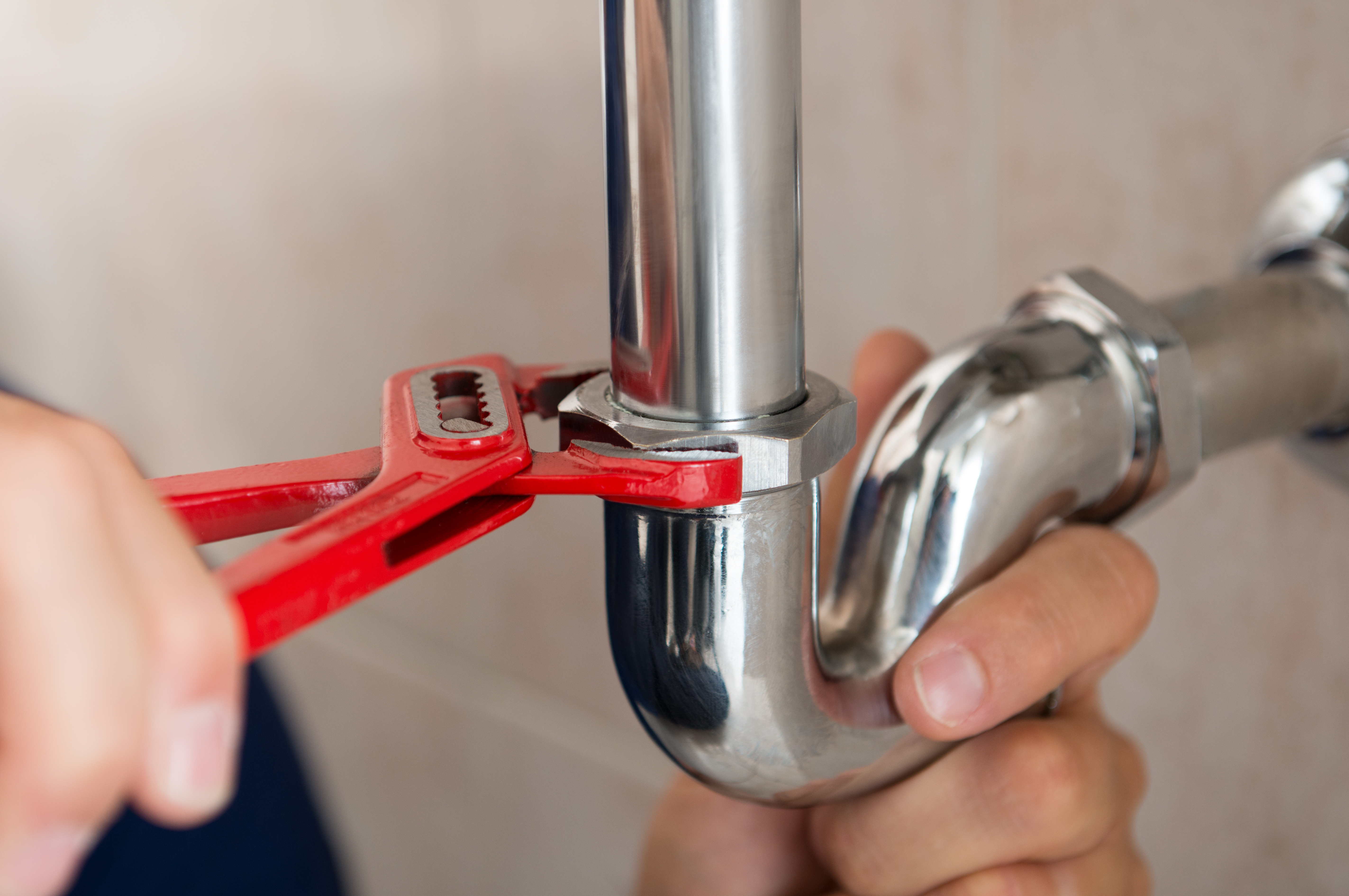
Solution: If the dip tube is broken, a licensed plumber should replace it. Routine inspections can help you detect this issue early and prevent heating inefficiencies.
2. How Sediment Build-Up Impacts Water Heaters and How to Fix It
Over time, sediment (such as calcium and magnesium deposits) can accumulate at the bottom of the water heater, particularly in homes with hard water. This build-up creates an insulating layer that blocks the burner’s ability to heat the water.
Solution: Flushing the tank annually can remove sediment and restore efficiency. If you live in a hard water area, consider installing a water softener to reduce future buildup.
3. Common Water Heater System Malfunctions and How to Address Them
Several components within your water heater can malfunction, leading to inconsistent or insufficient heating. Common issues include:
- Thermal switch malfunction: A safety feature that shuts off the heater when overheating occurs. If it fails, the heater might not turn on.
- The faulty thermostat controls the temperature of the water. If it's faulty, water may be too hot or too cold.
- Damaged heating element: Responsible for heating the water directly. If damaged, your water won’t reach the desired temperature.
Solution: Have a licensed plumber inspect the system and replace any malfunctioning parts. Regular maintenance can help catch these issues early.
4. Why the Distance from Your Water Heater to the Faucet Matters
Sometimes, the issue isn’t with the water heater but with the distance between the heater and your faucet. Long distances, especially in colder months, cause water to cool down as it travels through uninsulated pipes.
Solution: Insulate your pipes to reduce heat loss. In some cases, relocating the water heater closer to your faucets or installing a secondary heater may be necessary.
5. Is Your Water Heater Undersized for Your Needs?
If your household has grown or your water usage has increased, your current water heater may no longer meet your hot water demands. An undersized water heater will struggle to keep up, leading to frequent running out of hot water.
Solution: Consider upgrading to a larger tank or switching to a tankless water heater. A tankless system heats water on demand, ensuring you never run out of hot water.
"How Do I Know If I Dry Fired My Hot Water Heater?"
A dry-fired hot water heater is a unique situation when an air pocket forms from the power being turned on before the tank is full of water. The result is lukewarm or even cold water. It is the result of the zinc plating melting, being soft or pliable, or a lack of continuity. Ask your ABC Plumbing technician if your lack of hot water supply could be be the result of dry firing.
Preventing Common Water Heater Issues: Maintenance Tips
Preventive maintenance is key to avoiding most hot water issues. Regular inspections, flushing the tank, and timely part replacements can extend the life of your water heater and maintain its efficiency.
Have additional questions or need professional help with your water heater? Call ABC Plumbing, Sewer, Heating, Cooling, and Electric today for expert advice, repairs, or installation services. Keep your home warm and your hot water flowing year-round.
Frequently Asked Questions
How often should I flush my water heater?
To maintain efficiency, you should flush your water heater at least once a year. In areas with hard water, flushing more frequently is recommended to prevent heavy sediment buildup.
What size water heater do I need?
The size of the water heater you need depends on your household size and water usage habits. A licensed plumber can assess your needs and recommend the appropriate tank size or tankless solution.
Why does my water take so long to heat up?
This could be due to a malfunctioning thermostat, a broken dip tube, or the distance between your heater and faucets. Insulating pipes and regular maintenance can help resolve this issue.
Is it better to repair or replace a water heater?
If your water heater is older than 10 years, frequent repairs may indicate it’s time for a replacement. Newer, more efficient models can save you on energy costs in the long run.
What to do Next?
Have questions about your water heater? Call ABC Plumbing, Sewer, Heating, Cooling, and Electric today at (888) 991-3942 if you are in Chicagoland and (888) 594-9030 if you are in the Tampa Bay area for expert plumbing advice, repairs, or installation services. We’ll make sure your home stays warm and comfortable.
ABC Plumbing Locations
Arlington Heights, IL220 W Campus Dr | Largo, FL11701 S Belcher Rd Suite 127 |
Downers Grove, IL1001 Ogden Ave LL4 | Tampa, FL4326 W El Prado Blvd Suite 7 |
Evanston, IL828 Davis St UNIT 205 | |
Related Services
Related blogs

Our Blog
VIEW ALL BLOGS
Chicago Northwest Suburbs Emergency Plumbing Prices – 24/7 Plumber Costs
-
How to Inspect Your Electrical Panel Safely | Homeowner Guide
Your electrical panel plays a critical role in safely powering your home, making it important to recognize potential problems before they become serious. This video guide shows homeowners how to perform a basic visual inspection and identify warning signs such as burn marks, corrosion, loose breakers, overloaded panels, and outdated wiring. Learn what a healthy electrical panel should look like, which issues require immediate attention, and when it’s time to call a professional electrician for help.READ MORE -
Rockford HVAC: Heating System Installation Guide
Installing a central heating system involves much more than choosing a furnace or heat pump. This guide walks Rockford-area homeowners through the professional installation process, including system sizing, ductwork, permits, venting, electrical connections, thermostat setup, and final commissioning. It also explains which tasks may be DIY-friendly, when licensed professionals are needed, and how proper installation and annual maintenance can improve comfort, efficiency, safety, and system longevity.READ MORE -
Rockford, IL Plumbing: DIY Risks for General Plumbing
DIY plumbing can save money on simple projects, but more complex work can lead to leaks, water damage, code violations, and safety concerns when handled incorrectly. This guide explains which plumbing tasks homeowners can safely tackle themselves and when it’s best to call a licensed professional. It also covers common DIY mistakes, permits and code requirements, hidden costs, and how professional plumbing service can protect your home, warranties, and investment.READ MORE
Our Promises To You
-
Convenient For You
We Work on Your Schedule
-

Background Checks
We do Drug Tests And Background Checks Before Hiring
-

No Need For Stress
Get ABCs Worry-Free Guarantee at No Cost
-

No Surprises
Pricing is By the Job, Not the Hour
.png)