
In this article, you'll learn:
A transfer switch safely connects your generator to your home’s electrical panel, automatically or manually switching power between the utility grid and your generator during outages.
It prevents dangerous backfeeding, protecting utility workers, your appliances, and your generator while ensuring code compliance and safe operation.
Professional installation is essential, as an electrician will properly size, install, and configure the transfer switch to match your generator and home’s electrical load.
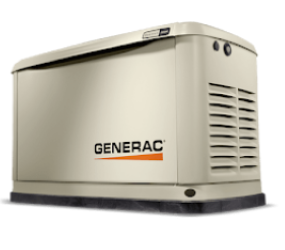
If you’re considering installing a whole-house standby generator or using a portable generator during power outages, understanding the role of a transfer switch is crucial. A transfer switch is an essential safety device that ensures seamless and safe operation of your backup generator, protecting your home and those who maintain the electrical grid.
What Is a Transfer Switch?
A transfer switch is an electrical device that connects your generator to your home’s service panel. Its primary role is to manage the flow of electricity, ensuring that power is safely switched between the generator and the utility grid. The transfer switch ensures that when the power goes out, your generator takes over automatically. When utility power is restored, the switch reverts to the grid, disconnecting the generator.
Transfer switches are designed to prevent backfeeding, a dangerous situation where electricity from your generator flows back into utility lines. This not only protects your appliances and the generator itself but also ensures the safety of utility workers repairing power lines.
How Does a Transfer Switch Work?
Transfer switches come in two types: manual and automatic. Here’s how they operate:
- Manual Transfer Switch: With a manual switch, you need to physically flip the switch to transfer power from the utility to the generator during an outage. While less expensive than automatic switches, manual switches require you to be home and aware of the power outage.
- Automatic Transfer Switch (ATS): An ATS senses when utility power is lost and automatically transfers the electrical load to the generator. Once power is restored, the ATS switches back to the grid. This hands-free operation is ideal for whole-house generators, especially in homes where outages can occur unexpectedly or when the homeowner is away.
Benefits of Using a Transfer Switch
Installing a transfer switch provides several benefits for your home and family, including:
- Enhanced Safety: By preventing backfeeding, a transfer switch eliminates the risk of electrical hazards for utility workers and your household.
- Convenience: With an ATS, your generator kicks in automatically during an outage, ensuring uninterrupted power without requiring manual intervention.
- Appliance Protection: Transfer switches ensure that your generator powers essential appliances and circuits, protecting sensitive electronics from damage caused by power fluctuations.
- Code Compliance: Many local building codes and electrical standards require a transfer switch for generator installations. Using one ensures compliance with these regulations.
Do You Need a Transfer Switch?
Whether you’re using a portable generator or a whole-house standby generator, a transfer switch is highly recommended. For portable generators, a manual transfer switch allows you to safely connect the generator to your home’s electrical system, powering essential circuits without the need for extension cords. For standby generators, an ATS is typically installed as part of the system to ensure seamless operation.
Why Hire a Professional Electrician for Installation?
Installing a transfer switch is not a DIY project. It requires specialized knowledge of electrical systems and adherence to local codes. A professional electrician can:
- Ensure the transfer switch is properly sized for your generator and home’s electrical load.
- Safely install the switch without disrupting your existing electrical system.
- Verify that the installation meets all local regulations and safety standards.
Attempting to install a transfer switch yourself can result in improper connections, increased fire risk, and damage to your generator or home’s wiring.
Choosing the Right Transfer Switch for Your Home
When selecting a transfer switch, consider the following factors:
- Generator Type: Ensure the switch is compatible with your generator, whether it’s portable or standby.
- Load Requirements: Determine which circuits or appliances you want to power during an outage. A professional electrician can help calculate the load requirements.
- Budget: While ATS options are more expensive than manual switches, the convenience and peace of mind they provide may be worth the investment.
Call ABC for Expert Generator and Electrical Services
Are you ready to install a transfer switch or need expert advice on your home’s electrical system? At ABC Plumbing, Sewer, Heating, Cooling, and Electric, we specialize in generator installations and electrical safety solutions. Our skilled technicians are here to help you choose the right system for your needs and ensure a safe, reliable installation. Scroll down to find the location nearest you and give us a call today!
ABC Plumbing Locations
Arlington Heights, IL220 W Campus Dr | Largo, FL11701 S Belcher Rd Suite 127 |
Downers Grove, IL1001 Ogden Ave LL4 | Tampa, FL4326 W El Prado Blvd Suite 7 |
Evanston, IL828 Davis St UNIT 205 | |
Related Services
Related blogs

Our Blog
VIEW ALL BLOGS
Chicago Northwest Suburbs Emergency Plumbing Prices – 24/7 Plumber Costs
-
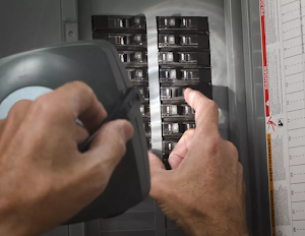
How to Inspect Your Electrical Panel Safely | Homeowner Guide
Your electrical panel plays a critical role in safely powering your home, making it important to recognize potential problems before they become serious. This video guide shows homeowners how to perform a basic visual inspection and identify warning signs such as burn marks, corrosion, loose breakers, overloaded panels, and outdated wiring. Learn what a healthy electrical panel should look like, which issues require immediate attention, and when it’s time to call a professional electrician for help.READ MORE -
Rockford HVAC: Heating System Installation Guide
Installing a central heating system involves much more than choosing a furnace or heat pump. This guide walks Rockford-area homeowners through the professional installation process, including system sizing, ductwork, permits, venting, electrical connections, thermostat setup, and final commissioning. It also explains which tasks may be DIY-friendly, when licensed professionals are needed, and how proper installation and annual maintenance can improve comfort, efficiency, safety, and system longevity.READ MORE -
Rockford, IL Plumbing: DIY Risks for General Plumbing
DIY plumbing can save money on simple projects, but more complex work can lead to leaks, water damage, code violations, and safety concerns when handled incorrectly. This guide explains which plumbing tasks homeowners can safely tackle themselves and when it’s best to call a licensed professional. It also covers common DIY mistakes, permits and code requirements, hidden costs, and how professional plumbing service can protect your home, warranties, and investment.READ MORE
Our Promises To You
-

Convenient For You
We Work on Your Schedule
-

Background Checks
We do Drug Tests And Background Checks Before Hiring
-

No Need For Stress
Get ABCs Worry-Free Guarantee at No Cost
-

No Surprises
Pricing is By the Job, Not the Hour
.png)