
In this article, you'll learn:
Reduce indoor heat sources by switching to LED lighting, limiting oven use, skipping heated dishwasher cycles, drying clothes outdoors, and turning off unused pilot lights.
Improve airflow and system efficiency with proper thermostat placement, outdoor venting for appliances, regular filter changes, sealing air leaks, and scheduling AC maintenance.
Use smart cooling strategies like closing blinds during peak sun, using ceiling fans correctly, and insulating your water heater to lower energy bills and reduce strain on your AC system.
Keeping cool during hot summers can be challenging, especially in regions with intense heat and humidity like Florida or variable weather conditions like in the Midwest.
Even if you have a modern, energy-efficient central air conditioning system, it may still be costing more to operate than necessary.
This can happen when homes—especially those that are well-insulated—trap heat and humidity from appliances and various other sources.
Below are several tips to help reduce heat buildup, cut down on humidity, and improve the efficiency of your cooling system. Implementing these strategies will help ensure a more comfortable indoor environment and lower energy bills.
1. Minimize Heat from Lighting
- Turn off or dim incandescent bulbs: Incandescent lights generate a lot of heat. Consider turning them off when not in use or installing a dimmer switch to reduce their output.
- Switch to CFLs or LEDs: Compact fluorescent (CFL) or light-emitting diode (LED) bulbs convert more energy into light and less into heat, making them far cooler and more efficient.
2. Correct Thermostat Placement
If your thermostat is located near a window, TV, or lamp, it can sense unnecessary heat and cause the air conditioner to run longer than needed. Install your thermostat on an interior wall away from direct sunlight or heat sources to ensure accurate temperature readings.
3. Adjust Cooking Methods
- Use an outdoor grill or microwave: When possible, grill outside or use a microwave to avoid adding extra heat inside your home.
- Limit oven and stovetop use: Ovens and ranges generate a significant amount of heat that can make your air conditioner work harder.
4. Proper Ventilation for Appliances
Ensure that your clothes dryer and bathroom exhaust fans vent directly outdoors, not into your attic or other interior spaces. Excess heat and humidity can build up quickly if vents are not properly routed outside.
5. Dry Clothes Outdoors
Using a clothes dryer adds both heat and humidity to your home. Hanging clothes outside, especially on sunny days, can help keep indoor temperatures lower.
6. Skip the Dishwasher’s Heat Dry Cycle
The heated drying cycle of a dishwasher can generate a lot of warm, humid air. Whenever possible, choose the air dry or energy-saving cycle to reduce both heat and energy costs.
7. Insulate Your Water Heater
Wrap a water heater blanket around your tank to reduce heat loss, particularly in cooler climates like Chicagoland. This simple step can improve efficiency and lower energy bills year-round.
8. Turn Off Unused Pilot Lights
If you have gas fireplaces or space heaters not in use, be sure to turn off their gas supply. Pilot lights generate constant heat and waste natural gas, particularly noticeable during the warmer months.
Additional Ways to Cut Cooling Costs
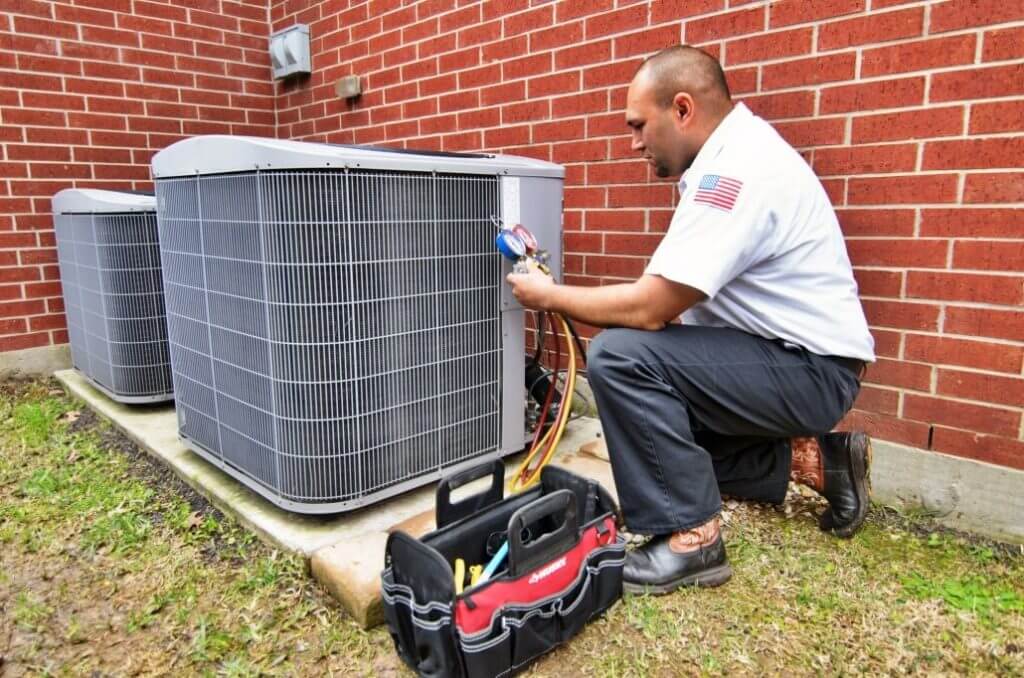
- Schedule regular maintenance: A well-tuned air conditioner runs more efficiently and is less prone to breakdowns. Routine maintenance is crucial in humid areas of Florida and can also be beneficial during Chicago’s hot summer days.
- Check and change air filters: Clogged or dirty air filters block airflow, making your system work harder. Replace filters at least every three months—or more often if you have pets.
- Seal doors and windows: Small cracks or gaps can let warm air in and cooled air out. Using weatherstripping or caulk is an inexpensive way to enhance insulation and reduce energy bills.
- Use ceiling fans wisely: Ceiling fans do not cool a room; they cool people by creating a wind-chill effect. Turn off fans when leaving a room to save energy.
- Keep curtains or blinds closed: In both Florida and Chicago, the sun’s rays can significantly heat up a home. Using curtains or blinds during peak sunlight hours can reduce indoor temperatures.
By implementing these measures, homeowners can enjoy a more comfortable indoor environment and reduce the strain on their cooling systems—leading to lower utility bills.
Have Questions or Need Professional Assistance?
If you have any questions about keeping your home cool or would like professional guidance from experienced HVAC technicians, ABC Plumbing is here to help.
Please scroll further down the page, find the location closest to you, and click the phone number to call us. Our team is ready to assist with all of your heating, cooling, plumbing, and electrical needs.
ABC Plumbing Locations
Arlington Heights, IL220 W Campus Dr | Largo, FL11701 S Belcher Rd Suite 127 |
Downers Grove, IL1001 Ogden Ave LL4 | Tampa, FL4326 W El Prado Blvd Suite 7 |
Evanston, IL828 Davis St UNIT 205 | |
Related Services
Related blogs


Our Blog
VIEW ALL BLOGS
Rockford HVAC: Heating System Installation Guide
-
Rockford, IL Plumbing: DIY Risks for General Plumbing
DIY plumbing can save money on simple projects, but more complex work can lead to leaks, water damage, code violations, and safety concerns when handled incorrectly. This guide explains which plumbing tasks homeowners can safely tackle themselves and when it’s best to call a licensed professional. It also covers common DIY mistakes, permits and code requirements, hidden costs, and how professional plumbing service can protect your home, warranties, and investment.READ MORE -
McHenry, IL Heating System Repairs: 5 Common Furnace Issues
Furnace problems can quickly become serious during a Chicagoland winter. This guide covers five common issues—including no heat, short cycling, cold air, strange noises, ignition problems, and uneven heating—along with safe troubleshooting steps homeowners can try first. It also explains when to call a professional, how annual maintenance can prevent breakdowns, and when replacing an aging furnace may make more sense than another repair.READ MORE -
Winter is Coming: Ensure Your Heater is Ready in Chicagoland
Preparing your heating system before Chicagoland’s coldest weather arrives can help prevent unexpected breakdowns, improve energy efficiency, and keep your home comfortable all winter. This article highlights the importance of regular heater and furnace maintenance, professional inspections, and early service to identify potential problems before they become costly emergencies. With proactive maintenance and trusted professional support, homeowners can enjoy greater reliability, efficiency, and peace of mind throughout the heating season.READ MORE
Our Promises To You
-
Convenient For You
We Work on Your Schedule
-

Background Checks
We do Drug Tests And Background Checks Before Hiring
-

No Need For Stress
Get ABCs Worry-Free Guarantee at No Cost
-

No Surprises
Pricing is By the Job, Not the Hour
.png)