

Plumbing noises can range from harmless to a warning sign of serious problems in your home’s plumbing system. By understanding the causes of these sounds and knowing how to address them, you can prevent expensive repairs and keep your plumbing functioning smoothly. Here’s a guide to identifying and resolving common plumbing noises.
1. Whistling Sounds
Whistling sounds are often caused by a leaking toilet fill valve. The noise occurs when the fill valve mechanism fails to properly regulate water flow, creating a high-pitched sound.
- Temporary Fix: Remove the lid of the toilet tank and adjust the fill valve mechanism until the sound stops.
- Permanent Solution: Replace the fill valve to eliminate the leak and stop the noise permanently.
Tip: Regular maintenance of toilet components can prevent wear and tear that leads to whistling noises.
2. Vibrating Sounds
Vibrating sounds are another common issue caused by a worn-out toilet fill valve. Over time, the gasket inside the fill valve’s top cap becomes less flexible, causing vibrations when the valve is closed.
- How to Diagnose: Remove the toilet tank lid and activate the fill valve manually. If the vibration stops, the fill valve is the source of the problem.
- Solution: Replace the worn-out fill valve to restore proper operation.
Tip: Always use high-quality replacement parts to ensure durability and minimize future issues.
3. Banging Noises
Banging noises, often referred to as “water hammer,” occur when high water pressure causes pipes to vibrate or hit against walls, studs, or joists. This is a common issue in homes with older plumbing systems or high water pressure.
- Cause: Sudden stopping of water flow, which creates a pressure surge in the pipes.
- Solutions:
- Install a water hammer arrestor to absorb the pressure surge and prevent banging.
- Secure loose pipes with brackets or clips to prevent movement.
- Check and adjust the home’s water pressure if it’s too high (recommended pressure: 40–60 psi).
Tip: Consult a plumber if the problem persists, as persistent water hammer can damage pipes and fittings.
4. Rumbling Sounds
Rumbling sounds typically originate from the water heater and are caused by excessive sediment buildup at the bottom of the tank. This sediment traps water, which then boils and creates turbulence, resulting in noise.
- Temporary Fix: Carefully drain a few gallons of water from the tank using the drain valve to flush out sediment.
- Long-Term Solution: Schedule regular maintenance to flush the water heater and prevent sediment buildup.
Warning: Always follow the manufacturer’s instructions when performing water heater maintenance to avoid damage or injury.
5. Other Plumbing Noises and Their Causes
While whistling, vibrating, banging, and rumbling are the most common plumbing noises, there are other sounds you might encounter:
- Gurgling Drains: Indicates a clog or blockage in the drain or vent system. Use a plunger or snake to clear minor blockages, or call a plumber for persistent issues.
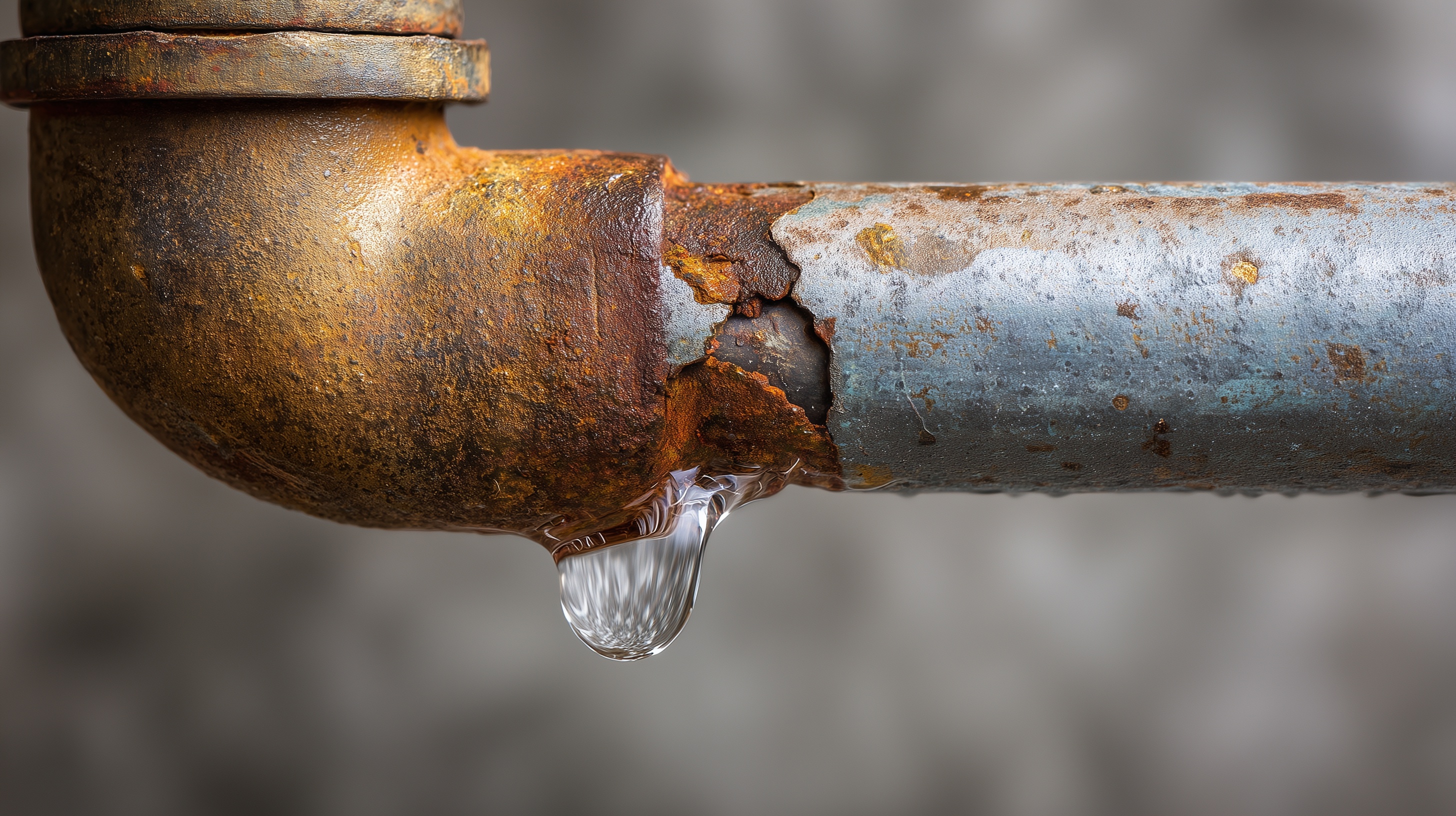
- Dripping Sounds: Often caused by a leaky faucet or pipe. Check for visible leaks and replace washers or seals as needed.
- Hissing Sounds: May signal a leak in the water supply line or excessive water pressure. Inspect for visible leaks and adjust the pressure regulator if necessary.
Preventing Plumbing Noise Issues
Taking preventative measures can reduce the likelihood of plumbing noises and extend the life of your system:
- Inspect and maintain plumbing fixtures regularly to identify wear and tear early.
- Flush the water heater annually to prevent sediment buildup.
- Secure loose pipes to prevent movement and noise.
- Install water hammer arrestors or pressure regulators to manage high water pressure.
Frequently Asked Questions (FAQs)
Q: Are plumbing noises always a sign of a serious problem?
A: Not always. Some noises, like minor gurgling or whistling, can be fixed with simple maintenance. However, persistent or loud noises may indicate a more serious issue that requires professional attention.
Q: Can I fix plumbing noises myself?
A: Minor issues, such as adjusting a toilet fill valve or securing loose pipes, can often be handled by homeowners. For complex problems like water hammer or sediment buildup, it’s best to consult a plumber.
Q: How can I reduce noise from my plumbing system?
A: Regular maintenance, securing pipes, and installing noise-reducing devices like water hammer arrestors can significantly reduce plumbing noise.
Need Expert Plumbing Services?
If you’re experiencing unusual plumbing noises or suspect a deeper issue, ABC Plumbing, Sewer, Heating, Cooling, and Electric is here to help. Our experienced team can diagnose and resolve any plumbing problem, ensuring your system runs smoothly and quietly.
Scroll further down the page, locate the ABC Plumbing location closest to you, and click the phone number to schedule a service call. Let us keep your home’s plumbing system in top shape!
ABC Plumbing Locations
Arlington Heights, IL220 W Campus Dr | Largo, FL11701 S Belcher Rd Suite 127 |
Downers Grove, IL1001 Ogden Ave LL4 | Tampa, FL4326 W El Prado Blvd Suite 7 |
Evanston, IL828 Davis St UNIT 205 | |
Related Services
Related blogs
Our Blog
VIEW ALL BLOGS
Tampa AC Installation Cost Guide for Homeowners
-
Belleair Beach, FL Emergency Electrical Services: 7 Safety Signs
Electrical problems can quickly become serious safety hazards, especially during Tampa Bay's storm season. This guide covers the seven warning signs that require an emergency electrician, including burning smells, tripped breakers, flickering lights, sparking panels, and water-damaged electrical systems. Learn what you can safely do before help arrives, when to call for immediate service, and how regular inspections and timely repairs can help protect your home and family from electrical emergencies.READ MORE -
Lutz, FL Electrical Safety Inspections: Panel Checklist
Your electrical panel is the heart of your home's electrical system, and regular inspections can help prevent safety hazards, power outages, and costly repairs. This guide explains what licensed electricians check during a professional electrical panel inspection, common warning signs of electrical problems, and simple safety checks homeowners can perform without opening the panel. Learn how routine inspections, surge protection, and timely upgrades can keep your Tampa home safe, reliable, and ready for today's electrical demands.READ MORE -
Tampa, FL Heat Pump Reset Tips for Better Cooling
Not sure why your heat pump isn't cooling your home? This guide walks Tampa homeowners through how to safely reset a heat pump, common reasons a reset may work, and warning signs that require professional service. Learn simple troubleshooting steps, maintenance tips to improve performance, and when it's time to call an HVAC expert to restore reliable, energy-efficient cooling. Plus, discover how routine maintenance can help prevent future breakdowns and keep your heat pump running at its best.READ MORE
Our Promises To You
-
Convenient For You
We Work on Your Schedule
-

Background Checks
We do Drug Tests And Background Checks Before Hiring
-

No Need For Stress
Get ABCs Worry-Free Guarantee at No Cost
-

No Surprises
Pricing is By the Job, Not the Hour