
In this article, you will learn:
The toilet overflow tube prevents water damage by redirecting excess tank water into the bowl if the fill valve fails or overfills.
It helps maintain proper bowl water levels by allowing refill water to flow into the bowl after each flush.
Common issues include cracks, clogs, or fill valve problems, which can often be fixed with basic maintenance or professional plumbing service.
An overflow tube is an essential component of your toilet's tank that prevents water from overflowing by directing excess water into the toilet bowl. This critical feature helps maintain the functionality of your toilet and protects your home from potential water damage.
Understanding the Overflow Tube
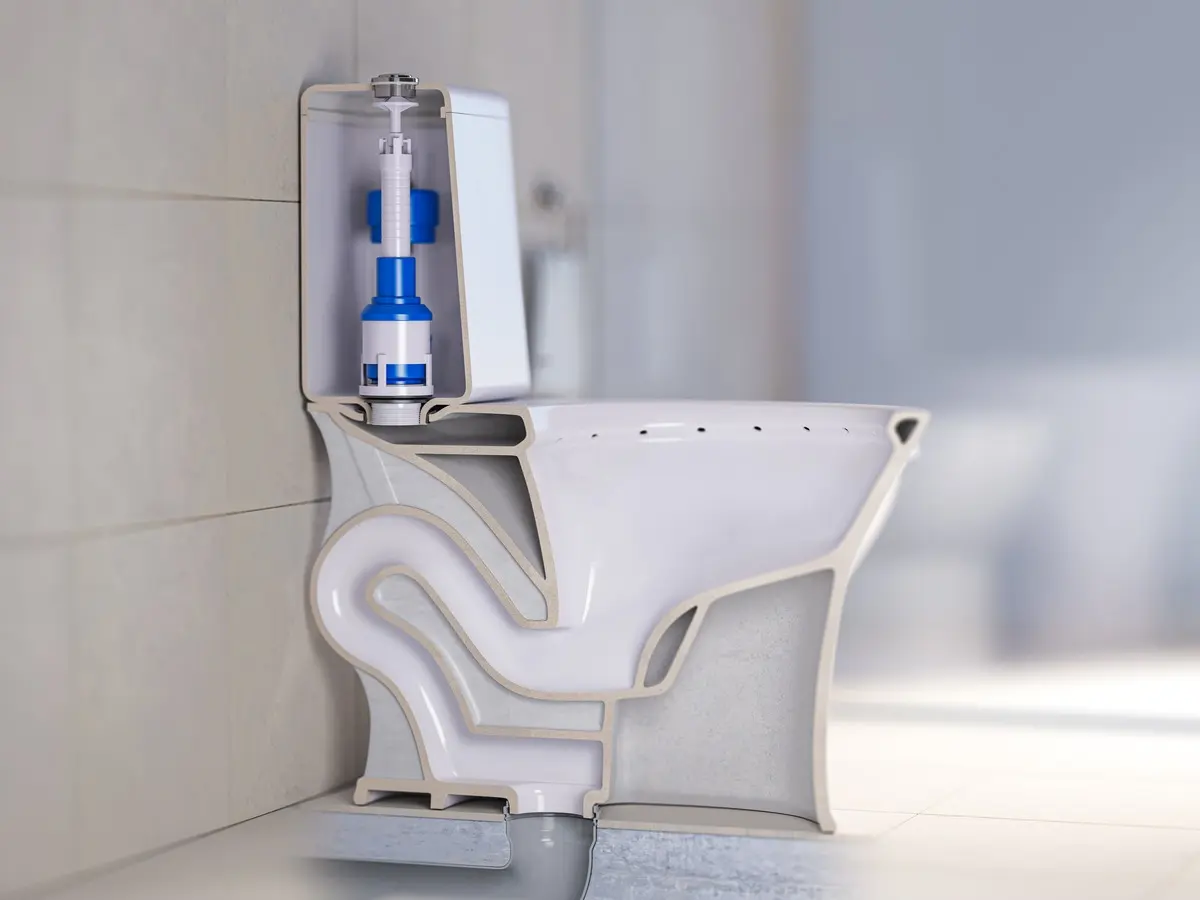
Located inside the toilet tank, the overflow tube is a vertical pipe that plays a crucial role in the flushing and refilling process. It works in conjunction with other toilet components, such as the flush lever, fill valve, and flush valve, to ensure proper water flow.
The Role of the Overflow Tube
The overflow tube serves two main purposes:
- Preventing Overflows: If the fill valve malfunctions and continues to fill the tank with water, the overflow tube redirects the excess water into the toilet bowl, preventing spills onto your bathroom floor.
- Maintaining Water Level: During the refilling process, some water flows through the refill tube and into the overflow tube to ensure the water level in the bowl remains consistent.
How Does the Overflow Tube Work?
The operation of the overflow tube is simple yet effective:
- When the flush lever is pressed, it pulls the chain connected to the flush valve, allowing water from the tank to rush into the bowl.
- The water level in the tank drops, and the fill valve activates to refill the tank.
- During refilling, a small amount of water flows from the fill valve through the refill tube into the overflow tube, ensuring the bowl’s water level is restored.
- If the fill valve malfunctions and the tank overfills, the overflow tube channels the excess water directly into the bowl to prevent spillage.
Common Issues with Overflow Tubes
While overflow tubes are durable, they can occasionally encounter problems that require attention:
1. Broken Overflow Tube
A cracked or broken overflow tube may fail to redirect water properly, potentially leading to tank overflows. Replace a damaged overflow tube promptly to avoid water damage.
2. Clogs in the Tube
Debris or mineral buildup inside the overflow tube can restrict water flow. Cleaning the tube with a small brush or pipe cleaner can resolve this issue.
3. Malfunctioning Fill Valve
If the fill valve continues to fill the tank after the water reaches the overflow tube, it may need adjustment or replacement.
Maintenance Tips for Overflow Tubes
Proper maintenance ensures the overflow tube functions effectively:
- Inspect Regularly: Check the tube for cracks, clogs, or signs of wear during routine toilet maintenance.
- Adjust the Fill Valve: Ensure the fill valve shuts off before water reaches the top of the overflow tube.
- Clean the Tube: Remove debris or mineral deposits to maintain smooth water flow.
How to Fix a Toilet Overflow Pipe?
- Remove the tank lid
- Disconnect the refill tube from the overflow tube
- Disconnect the previous overflow tube from the flush valve assembly
- Install the new overflow tube
- Call the professionals at ABC Plumbing
Frequently Asked Questions (FAQs)
Q: Can I replace an overflow tube myself?
A: Yes, replacing an overflow tube is a straightforward DIY project if you’re comfortable working with basic plumbing tools. However, if you’re unsure, a professional plumber can assist.
Q: How do I know if my overflow tube is working?
A: Test the tube by manually filling the tank beyond its normal level. The overflow tube should direct excess water into the bowl without spilling over.
Q: Is the overflow tube the same as the flush valve?
A: No, the overflow tube and flush valve are separate components. The flush valve releases water into the bowl during flushing, while the overflow tube prevents overflows during refilling.
Need Expert Plumbing Services?
If you’re experiencing issues with your toilet or overflow tube, ABC Plumbing, Sewer, Heating, Cooling, and Electric is here to help. Our experienced plumbers can diagnose and repair any plumbing problem, ensuring your home’s plumbing system operates efficiently.
Scroll further down the page, locate the ABC Plumbing location closest to you, and click the phone number to schedule a service call. Let us help you maintain a safe and functional plumbing system today!
ABC Plumbing Locations
Arlington Heights, IL220 W Campus Dr | Largo, FL11701 S Belcher Rd Suite 127 |
Downers Grove, IL1001 Ogden Ave LL4 | Tampa, FL4326 W El Prado Blvd Suite 7 |
Evanston, IL828 Davis St UNIT 205 | |
Related Services
Related blogs
Our Blog
VIEW ALL BLOGS
Tampa AC Installation Cost Guide for Homeowners
-
Belleair Beach, FL Emergency Electrical Services: 7 Safety Signs
Electrical problems can quickly become serious safety hazards, especially during Tampa Bay's storm season. This guide covers the seven warning signs that require an emergency electrician, including burning smells, tripped breakers, flickering lights, sparking panels, and water-damaged electrical systems. Learn what you can safely do before help arrives, when to call for immediate service, and how regular inspections and timely repairs can help protect your home and family from electrical emergencies.READ MORE -
Lutz, FL Electrical Safety Inspections: Panel Checklist
Your electrical panel is the heart of your home's electrical system, and regular inspections can help prevent safety hazards, power outages, and costly repairs. This guide explains what licensed electricians check during a professional electrical panel inspection, common warning signs of electrical problems, and simple safety checks homeowners can perform without opening the panel. Learn how routine inspections, surge protection, and timely upgrades can keep your Tampa home safe, reliable, and ready for today's electrical demands.READ MORE -
Tampa, FL Heat Pump Reset Tips for Better Cooling
Not sure why your heat pump isn't cooling your home? This guide walks Tampa homeowners through how to safely reset a heat pump, common reasons a reset may work, and warning signs that require professional service. Learn simple troubleshooting steps, maintenance tips to improve performance, and when it's time to call an HVAC expert to restore reliable, energy-efficient cooling. Plus, discover how routine maintenance can help prevent future breakdowns and keep your heat pump running at its best.READ MORE
Our Promises To You
-
Convenient For You
We Work on Your Schedule
-

Background Checks
We do Drug Tests And Background Checks Before Hiring
-

No Need For Stress
Get ABCs Worry-Free Guarantee at No Cost
-

No Surprises
Pricing is By the Job, Not the Hour