

In this article, you will learn:
Plumbing traps (P-traps) are U-shaped pipes that hold water to block sewer gases and prevent odors from entering your home.
They also trap debris like hair and soap scum, helping prevent clogs and making drain cleaning easier.
Regular maintenance—checking for leaks, clearing buildup, and preventing dry traps—keeps your plumbing system working safely and efficiently.
Plumbing traps, commonly known as P-traps, are essential components of your home’s plumbing system. They prevent sewer gases from entering your home and help trap debris to avoid clogs in your pipes. These simple yet effective devices play a crucial role in maintaining a safe and functional plumbing system.
What Is a Plumbing Trap?
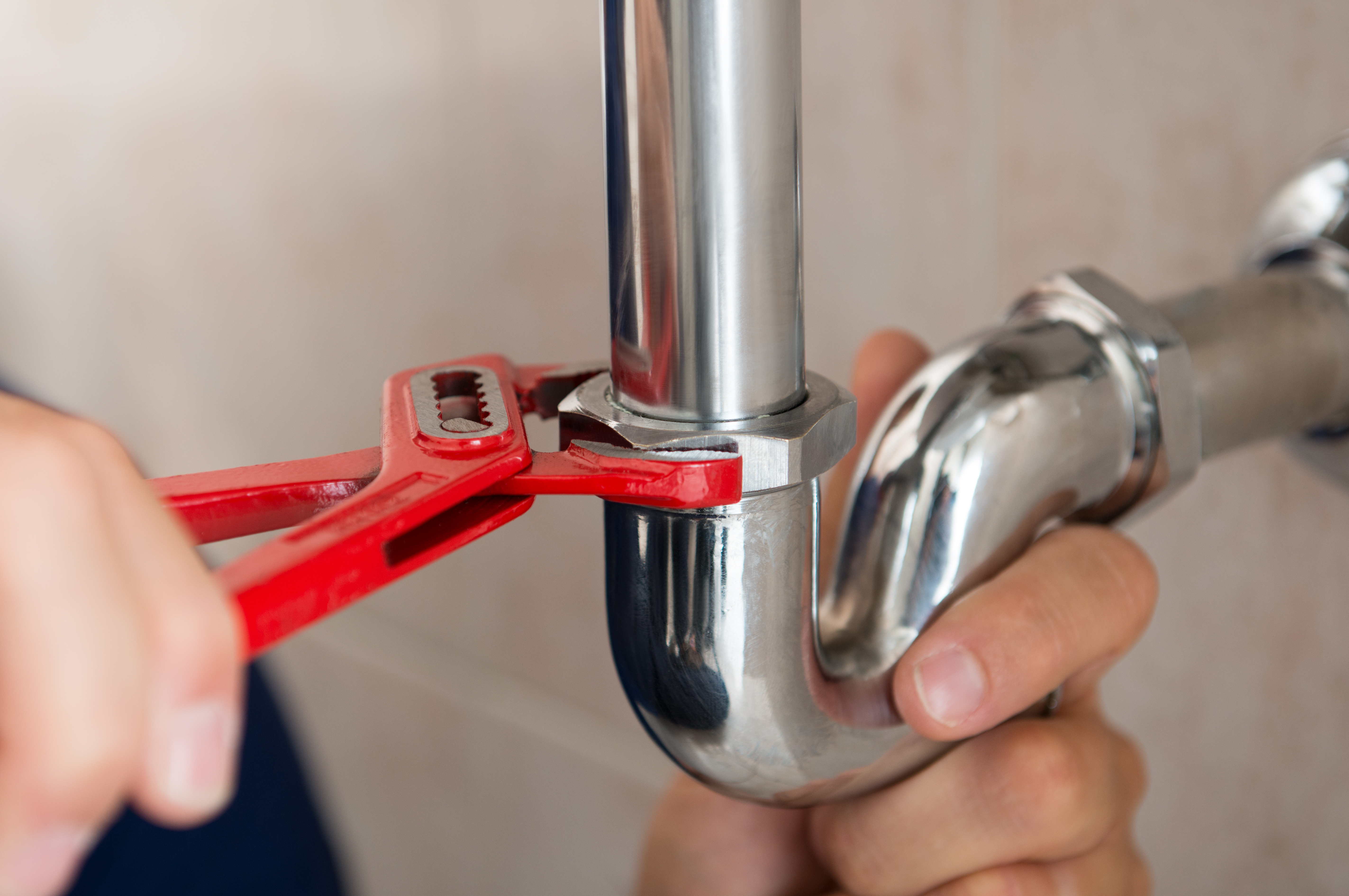
A plumbing trap is a U- or P-shaped pipe located beneath sinks, bathtubs, and other fixtures. It contains a small amount of standing water, which acts as a barrier to block sewer gases from flowing back into your home. This design also traps debris, preventing it from traveling further down the plumbing system and causing blockages.
How Does a P-Trap Work?
The P-trap combines two 90-degree joints with a horizontal overflow pipe. Here's how it functions:
- Sealing Odors: The standing water in the trap forms a seal, preventing unpleasant odors and harmful sewer gases from escaping into your home.
- Trapping Debris: The trap collects debris such as hair, soap scum, or small items accidentally dropped down the drain, making it easier to retrieve or clean out.
- Allowing Water Flow: The P-trap allows wastewater to flow freely down the overflow pipe while stopping backflow into the fixture.
Why Is It Called a P-Trap?
The name "P-trap" comes from its shape, which resembles the letter "P" when viewed from the side. This design combines efficiency with simplicity, making it a standard fixture in modern plumbing systems.
Types of Plumbing Traps
While the P-trap is the most common, other types of plumbing traps are used in specific applications:
- S-Trap: Similar to a P-trap but with a slightly different shape, often used in older homes.
- Bottle Trap: A compact design commonly found under bathroom sinks.
- Q-Trap: Typically used in public restrooms or commercial spaces.
Tip: Always ensure the correct trap type is installed for your specific fixture to ensure proper functionality.
Why Are S-traps Illegal in Plumbing?
As mentioned above, s-traps are typical in older homes. They are actually illegal nowadays, as their shape creates risk of siphonage, which can lead to harmful sewer gases entering your home. P-traps are the popular replacement for older s-traps.
Common Issues with Plumbing Traps
Despite their importance, plumbing traps can encounter problems that require attention:
1. Dry Traps
If a trap is not used frequently, the water seal can evaporate, allowing sewer gases to escape into your home. To prevent this, periodically run water through infrequently used fixtures.
2. Clogs
Debris buildup in the trap can lead to slow drainage or blockages. Regular cleaning helps maintain proper flow and prevents backups.
3. Leaks
Over time, the connections or seals in the trap may degrade, causing leaks. Inspect traps periodically and replace worn components as needed.
How to Maintain Plumbing Traps
Proper maintenance ensures the longevity and effectiveness of your plumbing traps:
- Regular Cleaning: Remove and clean the trap periodically to clear out debris and prevent clogs.
- Check for Leaks: Inspect seals and connections for signs of wear or damage.
- Prevent Dry Traps: Run water through unused fixtures to maintain the water seal.
Frequently Asked Questions (FAQs)
Q: How often should I clean my P-trap?
A: Cleaning every 6–12 months is recommended, or whenever you notice slow drainage or odors.
Q: Can I replace a P-trap myself?
A: Yes, with basic plumbing tools and knowledge. However, if you’re unsure, it’s best to hire a professional plumber.
Q: What should I do if my trap is leaking?
A: Tighten connections or replace worn-out parts. If the issue persists, consult a plumber to avoid further damage.
Need Expert Plumbing Services?
If you’re experiencing issues with your plumbing traps or have questions about your plumbing system, ABC Plumbing, Sewer, Heating, Cooling, and Electric is here to help. Our experienced team provides expert repairs, replacements, and maintenance for all your plumbing needs.
Scroll further down the page, locate the ABC Plumbing location closest to you, and click the phone number to schedule a service call. Keep your plumbing system running smoothly with professional assistance today!
ABC Plumbing Locations
Arlington Heights, IL220 W Campus Dr | Largo, FL11701 S Belcher Rd Suite 127 |
Downers Grove, IL1001 Ogden Ave LL4 | Tampa, FL4326 W El Prado Blvd Suite 7 |
Evanston, IL828 Davis St UNIT 205 | |
Related Services
Related blogs
Our Blog
VIEW ALL BLOGS
Tampa AC Installation Cost Guide for Homeowners
-
Belleair Beach, FL Emergency Electrical Services: 7 Safety Signs
Electrical problems can quickly become serious safety hazards, especially during Tampa Bay's storm season. This guide covers the seven warning signs that require an emergency electrician, including burning smells, tripped breakers, flickering lights, sparking panels, and water-damaged electrical systems. Learn what you can safely do before help arrives, when to call for immediate service, and how regular inspections and timely repairs can help protect your home and family from electrical emergencies.READ MORE -
Lutz, FL Electrical Safety Inspections: Panel Checklist
Your electrical panel is the heart of your home's electrical system, and regular inspections can help prevent safety hazards, power outages, and costly repairs. This guide explains what licensed electricians check during a professional electrical panel inspection, common warning signs of electrical problems, and simple safety checks homeowners can perform without opening the panel. Learn how routine inspections, surge protection, and timely upgrades can keep your Tampa home safe, reliable, and ready for today's electrical demands.READ MORE -
Tampa, FL Heat Pump Reset Tips for Better Cooling
Not sure why your heat pump isn't cooling your home? This guide walks Tampa homeowners through how to safely reset a heat pump, common reasons a reset may work, and warning signs that require professional service. Learn simple troubleshooting steps, maintenance tips to improve performance, and when it's time to call an HVAC expert to restore reliable, energy-efficient cooling. Plus, discover how routine maintenance can help prevent future breakdowns and keep your heat pump running at its best.READ MORE
Our Promises To You
-
Convenient For You
We Work on Your Schedule
-

Background Checks
We do Drug Tests And Background Checks Before Hiring
-

No Need For Stress
Get ABCs Worry-Free Guarantee at No Cost
-

No Surprises
Pricing is By the Job, Not the Hour