

In this article, you will learn:
Toilet fill valves (ballcocks) control how your toilet tank refills after flushing, and worn valves can cause running water, leaks, weak refills, or strange noises.
Common fill valve types include float cup, diaphragm, plunger/piston, and floatless designs—modern anti-siphon models are recommended for safety and code compliance.
Replacing a fill valve is often a simple DIY fix: shut off water, remove the old valve, install the new one, adjust the float, and test for leaks (call a plumber for persistent issues or complex toilets).
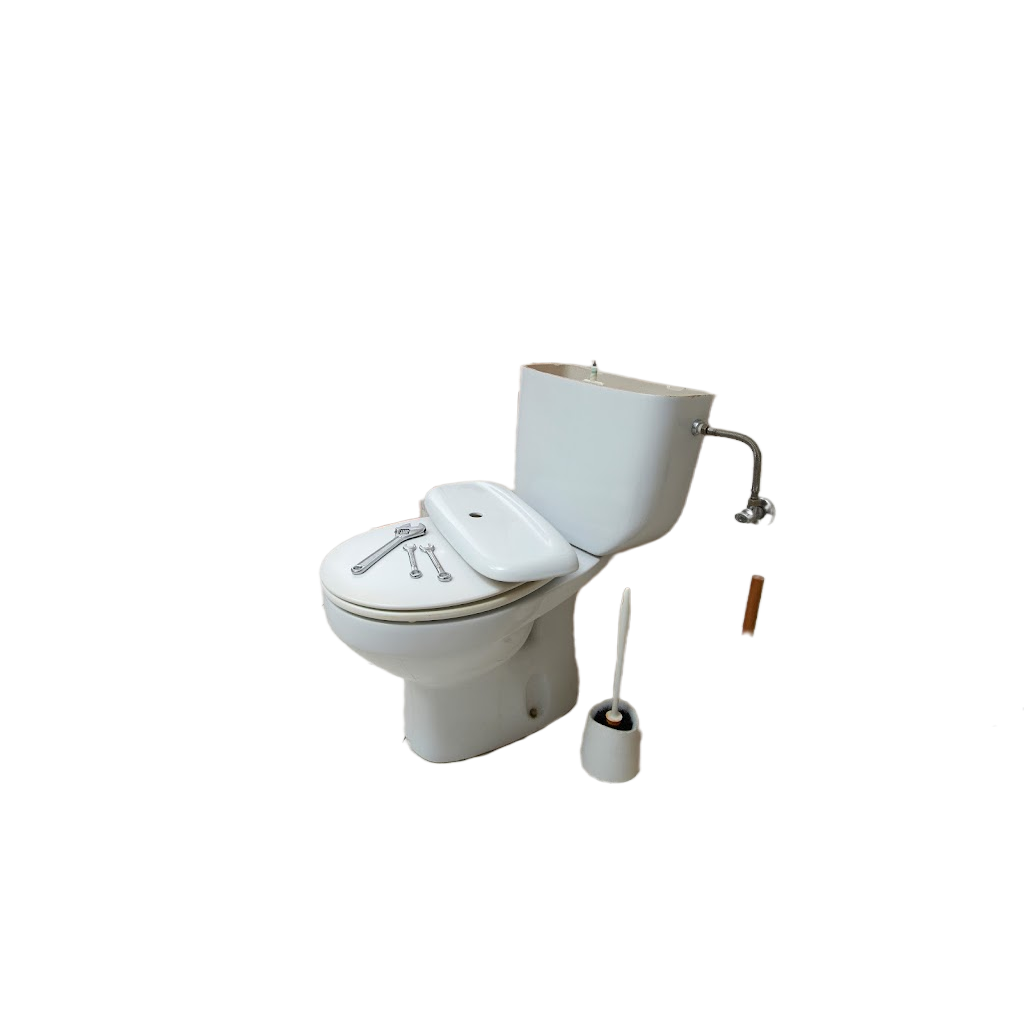
The toilet fill valve, also known as the "ballcock," is a crucial component in your toilet's plumbing system. It controls the flow of water into the toilet tank, ensuring it refills after each flush.
Over time, wear and tear can cause the fill valve to malfunction, leading to leaks or inefficient flushing. This guide will help you understand the different types of fill valves, how they work, and when to replace them.
Types of Toilet Fill Valves
When replacing a fill valve, it’s essential to identify the type of valve your toilet uses. Here are the five main types of fill valves:
- Plunger / Piston Fill Valve: One of the earliest designs, typically made of cast brass, using a bottom-fill discharge tube. Older models should be replaced with anti-siphon designs to meet current plumbing codes.
- Plastic Diaphragm Fill Valve: An anti-siphon design that is lightweight and made from durable plastic, providing reliable performance.
- Brass Diaphragm Fill Valve: Similar to the plastic diaphragm but constructed with brass for enhanced durability and longevity.
- Float Cup Fill Valve: Introduced in the 1950s, this design features a floating O-shaped cup that moves along the valve shaft to regulate water levels. It is widely used and efficient.
- Floatless Fill Valve: Uses a diaphragm pressure-sensing mechanism to adjust water levels without a floating component. This modern design is gaining popularity for its simplicity.
Signs Your Fill Valve Needs Replacement
Knowing when to replace your toilet fill valve can save you from higher water bills and potential water damage. Here are common signs of a failing fill valve:
- Continuous running water: Indicates the fill valve isn’t shutting off properly.
- Weak or slow tank refill: Suggests blockages or wear in the valve mechanism.
- Water leaks: Water pooling around the base of the toilet may stem from an issue with the fill valve.
- Unusual noises: Whistling or hissing sounds during tank refill could signal a malfunctioning valve.
Steps to Replace a Toilet Fill Valve
- Turn off the water supply: Shut off the valve behind the toilet and flush to empty the tank.
- Remove the old fill valve: Disconnect the water supply line, unscrew the retaining nut, and lift out the old valve.
- Install the new valve: Position the new valve according to the manufacturer’s instructions and secure it with the retaining nut.
- Reconnect the water supply: Attach the water line, open the valve, and adjust the float to the recommended water level.
- Test for leaks: Flush the toilet and check for any leaks around the connections.
Maintenance Tips for Fill Valves
Regular maintenance can extend the life of your toilet’s fill valve and improve its efficiency:
- Clean the valve: Mineral buildup can block the fill valve. Clean it periodically by removing and soaking it in a vinegar solution.
- Inspect the float: Ensure the float moves freely and is not stuck or damaged.
- Check the water level: Adjust the float height to maintain the correct water level in the tank, as indicated by the manufacturer.
When to Call a Professional Plumber
While replacing a fill valve is a simple DIY task for many homeowners, certain situations may require professional assistance:
- Persistent issues: If replacing the valve doesn’t resolve leaks or running water, a plumber can inspect for other problems.
- Complex toilet designs: Specialty or older toilet models may require unique components or adjustments.
- Water damage: If there’s significant damage to the surrounding area, a professional can address both plumbing and structural concerns.
Need Expert Plumbing Services?
If you’re dealing with a faulty toilet fill valve or other plumbing issues, the professionals at ABC Plumbing, Sewer, Heating, Cooling, and Electric are here to help. Call us at 888-868-6667 for Chicago or 813-452-5952 for Florida. Let us handle the mess and restore your plumbing system quickly and efficiently.
ABC Plumbing Locations
Arlington Heights, IL220 W Campus Dr | Largo, FL11701 S Belcher Rd Suite 127 |
Downers Grove, IL1001 Ogden Ave LL4 | Tampa, FL4326 W El Prado Blvd Suite 7 |
Evanston, IL828 Davis St UNIT 205 | |
Also check the following blog post: What Causes Pink Stains on Toilets and Bathtubs.
Related Services
Related blogs
Our Blog
VIEW ALL BLOGS
Tampa AC Installation Cost Guide for Homeowners
-
Belleair Beach, FL Emergency Electrical Services: 7 Safety Signs
Electrical problems can quickly become serious safety hazards, especially during Tampa Bay's storm season. This guide covers the seven warning signs that require an emergency electrician, including burning smells, tripped breakers, flickering lights, sparking panels, and water-damaged electrical systems. Learn what you can safely do before help arrives, when to call for immediate service, and how regular inspections and timely repairs can help protect your home and family from electrical emergencies.READ MORE -
Lutz, FL Electrical Safety Inspections: Panel Checklist
Your electrical panel is the heart of your home's electrical system, and regular inspections can help prevent safety hazards, power outages, and costly repairs. This guide explains what licensed electricians check during a professional electrical panel inspection, common warning signs of electrical problems, and simple safety checks homeowners can perform without opening the panel. Learn how routine inspections, surge protection, and timely upgrades can keep your Tampa home safe, reliable, and ready for today's electrical demands.READ MORE -
Tampa, FL Heat Pump Reset Tips for Better Cooling
Not sure why your heat pump isn't cooling your home? This guide walks Tampa homeowners through how to safely reset a heat pump, common reasons a reset may work, and warning signs that require professional service. Learn simple troubleshooting steps, maintenance tips to improve performance, and when it's time to call an HVAC expert to restore reliable, energy-efficient cooling. Plus, discover how routine maintenance can help prevent future breakdowns and keep your heat pump running at its best.READ MORE
Our Promises To You
-

Convenient For You
We Work on Your Schedule
-

Background Checks
We do Drug Tests And Background Checks Before Hiring
-

No Need For Stress
Get ABCs Worry-Free Guarantee at No Cost
-

No Surprises
Pricing is By the Job, Not the Hour