

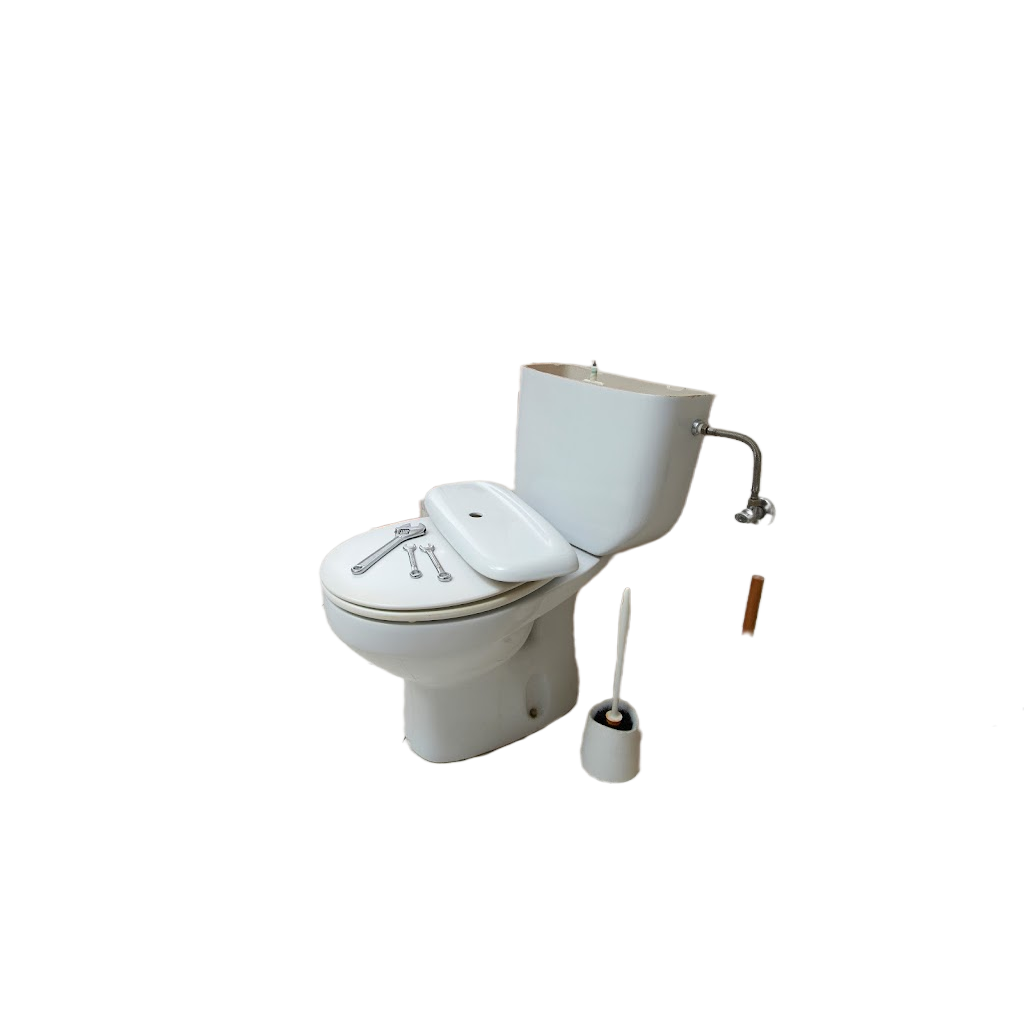
In this article, you will learn:
Slow-filling toilets are often caused by a partially closed shut-off valve, mineral buildup in the fill valve, or an outdated/faulty tank component.
Cleaning the fill valve or replacing it with a modern float cup design can usually restore normal refill speed in just a few simple steps.
If low water pressure or persistent issues continue, a professional plumber can diagnose the root cause and help prevent future problems with regular maintenance.
If your toilet is filling slowly, it’s usually due to issues with the water supply, mineral buildup in the tank components, or a faulty fill valve. A toilet tank should refill in about three minutes, and when it doesn’t, the problem can often be resolved with simple adjustments or replacements. Let’s explore the causes and solutions for a slow-filling toilet.
1. Check the Shut-Off Valve
The shut-off valve, located behind the toilet, controls the flow of water into the toilet tank. If it’s not fully open, water pressure may be too low, causing the tank to fill slowly.
- Locate the shut-off valve behind the toilet.
- Turn the valve counterclockwise to ensure it’s fully open.
- If the valve feels stuck, gently loosen it with pliers, being careful not to damage the mechanism.
2. Clean the Fill Valve and Internal Components
Over time, mineral deposits and debris can accumulate in the toilet tank, restricting water flow. Cleaning the fill valve and other components can restore proper function.
- Turn off the water supply and flush the toilet to empty the tank.
- Remove the fill valve cap and inspect it for clogs or buildup.
- Use a brush and vinegar solution to scrub away mineral deposits.
- Reassemble the valve and turn the water back on to test the flow.
3. Replace the Fill Valve
If your toilet uses an older-style ball cock assembly, it may be time to upgrade to a modern fill valve with a float cup design. These newer models are more efficient and less prone to issues.
- Purchase a replacement fill valve from your local hardware store.
- Follow the manufacturer’s instructions to install the new valve.
- Adjust the water level to the recommended fill line on the tank.
4. Address Low Water Pressure
Low water pressure in your home can also contribute to a slow-filling toilet. If you suspect this is the case, check other fixtures to see if they are experiencing similar issues. Low pressure may be caused by:
- Clogs in your home’s plumbing pipes.
- A partially closed main water valve.
- Issues with your municipal water supply.
Resolving low water pressure often requires professional plumbing assistance.
When to Call a Professional
If you’ve tried these fixes and your toilet is still filling slowly, the problem may require professional diagnosis. At ABC Plumbing, Sewer, Heating, Cooling & Electrical, our licensed plumbers can identify the root cause and provide fast, reliable solutions. Call us today at (888) 991-3942 for expert assistance.
Preventing Slow-Filling Toilets
Regular maintenance can help prevent slow-filling toilet issues. Here’s what you can do:
- Inspect and clean the fill valve every six months to remove mineral buildup.
- Ensure the shut-off valve is fully open during routine plumbing checks.
- Schedule annual plumbing inspections to identify and address potential problems early.
Related Reading
Curious about other plumbing topics? Check out our blog post: What Causes Pink Stains on Toilets and Bathtubs. Follow us on Twitter for more tips and updates.
ABC Plumbing Locations
Arlington Heights, IL220 W Campus Dr | Largo, FL11701 S Belcher Rd Suite 127 |
Downers Grove, IL1001 Ogden Ave LL4 | Tampa, FL4326 W El Prado Blvd Suite 7 |
Evanston, IL828 Davis St UNIT 205 | |
Related Services
Related blogs
Our Blog
VIEW ALL BLOGS
Tampa AC Installation Cost Guide for Homeowners
-
Belleair Beach, FL Emergency Electrical Services: 7 Safety Signs
Electrical problems can quickly become serious safety hazards, especially during Tampa Bay's storm season. This guide covers the seven warning signs that require an emergency electrician, including burning smells, tripped breakers, flickering lights, sparking panels, and water-damaged electrical systems. Learn what you can safely do before help arrives, when to call for immediate service, and how regular inspections and timely repairs can help protect your home and family from electrical emergencies.READ MORE -
Lutz, FL Electrical Safety Inspections: Panel Checklist
Your electrical panel is the heart of your home's electrical system, and regular inspections can help prevent safety hazards, power outages, and costly repairs. This guide explains what licensed electricians check during a professional electrical panel inspection, common warning signs of electrical problems, and simple safety checks homeowners can perform without opening the panel. Learn how routine inspections, surge protection, and timely upgrades can keep your Tampa home safe, reliable, and ready for today's electrical demands.READ MORE -
Tampa, FL Heat Pump Reset Tips for Better Cooling
Not sure why your heat pump isn't cooling your home? This guide walks Tampa homeowners through how to safely reset a heat pump, common reasons a reset may work, and warning signs that require professional service. Learn simple troubleshooting steps, maintenance tips to improve performance, and when it's time to call an HVAC expert to restore reliable, energy-efficient cooling. Plus, discover how routine maintenance can help prevent future breakdowns and keep your heat pump running at its best.READ MORE
Our Promises To You
-
Convenient For You
We Work on Your Schedule
-

Background Checks
We do Drug Tests And Background Checks Before Hiring
-

No Need For Stress
Get ABCs Worry-Free Guarantee at No Cost
-

No Surprises
Pricing is By the Job, Not the Hour