
In this article, you will learn:
Thermostat problems are often fixable with basic troubleshooting, like checking settings, replacing batteries, inspecting wiring, and resetting the system.
Cleaning and calibrating the thermostat can restore accurate performance, especially if dirt buildup or incorrect temperature readings are causing issues.
If DIY steps don’t work, a licensed professional may be needed, and upgrading to a smart thermostat can improve comfort, efficiency, and convenience.
Thermostats play a crucial role in maintaining your home's comfort throughout the year by controlling heating and cooling systems. However, like any device, they can malfunction.
Can a Faulty Thermostat Be Repaired?
Step 1: Verify Temperature Settings
- Ensure the thermostat is set to the correct mode (heat, cool, or auto) depending on the season.
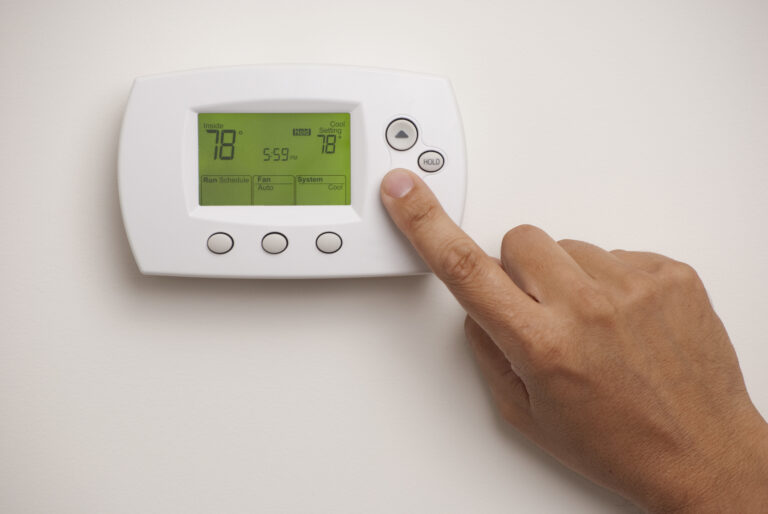
- Adjust the temperature setting by at least 5 degrees above or below the room’s current temperature to prompt the system to turn on. For example, in summer, set it 5 degrees lower to trigger the cooling system.
Step 2: Inspect the Power Supply
- Check the Batteries: Replace the batteries if your thermostat runs on battery power. Dead batteries are one of the most common issues.
- Inspect Wiring Connections: Remove the thermostat cover and confirm all wires are securely connected to their terminals. Look for loose or frayed wires.
- Check the Circuit Breaker: Ensure the breaker that powers your HVAC system hasn’t tripped. Reset it if necessary.
Step 3: Reset the System
Sometimes, a simple reset can solve thermostat issues:
- For smart or programmable thermostats, consult the user manual to find reset instructions.
- If your thermostat is part of a larger system, such as a central HVAC unit, resetting the condenser unit outside can also help.
Step 4: Clean the Thermostat
Dirt and debris can interfere with your thermostat's sensors or internal mechanisms:
- Remove the thermostat cover and gently clean the inside with a soft brush or compressed air.
- Ensure that there is no buildup blocking the sensors or the wiring connections.
Step 5: Calibrate the Thermostat
Older or manual thermostats can sometimes lose calibration:
- Use a thermometer to compare the room temperature with the thermostat’s reading.
- If the two readings don’t match, the thermostat may need recalibration. Consult your thermostat’s manual or contact a professional.
Step 6: Test the HVAC System
To determine if the issue lies with the thermostat or the HVAC system:
- Turn the HVAC system on manually if your unit has that option.
- If the system powers up without the thermostat, the thermostat may need repair or replacement.
Step 7: Upgrade to a Smart Thermostat
If your thermostat is outdated, consider upgrading to a smart thermostat. Modern thermostats offer features like remote access, scheduling, and energy usage insights, improving your system’s efficiency and convenience.
Common Thermostat Problems and Solutions
- Thermostat Is Unresponsive: Replace batteries, reset the breaker, or check connections.
- Temperature Fluctuations: Relocate the thermostat to a central location away from direct sunlight and vents.
- HVAC System Doesn’t Turn Off: Inspect the wiring or consult a professional for repairs.
- Smart Thermostat Won’t Connect to Wi-Fi: Restart your Wi-Fi router and update the thermostat’s firmware.
When to Call a Professional
If you’ve tried all troubleshooting steps and your thermostat still doesn’t work, it may need to be repaired or replaced. ABC Plumbing, Heating, and Cooling’s expert technicians are here to help diagnose and fix the issue promptly.
Related Blog Posts:
ABC Plumbing Locations
Arlington Heights, IL220 W Campus Dr | Largo, FL11701 S Belcher Rd Suite 127 |
Downers Grove, IL1001 Ogden Ave LL4 | Tampa, FL4326 W El Prado Blvd Suite 7 |
Evanston, IL828 Davis St UNIT 205 | |
Related Services
Related blogs
Our Blog
VIEW ALL BLOGS
Tampa AC Installation Cost Guide for Homeowners
-
Belleair Beach, FL Emergency Electrical Services: 7 Safety Signs
Electrical problems can quickly become serious safety hazards, especially during Tampa Bay's storm season. This guide covers the seven warning signs that require an emergency electrician, including burning smells, tripped breakers, flickering lights, sparking panels, and water-damaged electrical systems. Learn what you can safely do before help arrives, when to call for immediate service, and how regular inspections and timely repairs can help protect your home and family from electrical emergencies.READ MORE -
Lutz, FL Electrical Safety Inspections: Panel Checklist
Your electrical panel is the heart of your home's electrical system, and regular inspections can help prevent safety hazards, power outages, and costly repairs. This guide explains what licensed electricians check during a professional electrical panel inspection, common warning signs of electrical problems, and simple safety checks homeowners can perform without opening the panel. Learn how routine inspections, surge protection, and timely upgrades can keep your Tampa home safe, reliable, and ready for today's electrical demands.READ MORE -
Tampa, FL Heat Pump Reset Tips for Better Cooling
Not sure why your heat pump isn't cooling your home? This guide walks Tampa homeowners through how to safely reset a heat pump, common reasons a reset may work, and warning signs that require professional service. Learn simple troubleshooting steps, maintenance tips to improve performance, and when it's time to call an HVAC expert to restore reliable, energy-efficient cooling. Plus, discover how routine maintenance can help prevent future breakdowns and keep your heat pump running at its best.READ MORE
Our Promises To You
-
Convenient For You
We Work on Your Schedule
-

Background Checks
We do Drug Tests And Background Checks Before Hiring
-

No Need For Stress
Get ABCs Worry-Free Guarantee at No Cost
-

No Surprises
Pricing is By the Job, Not the Hour