
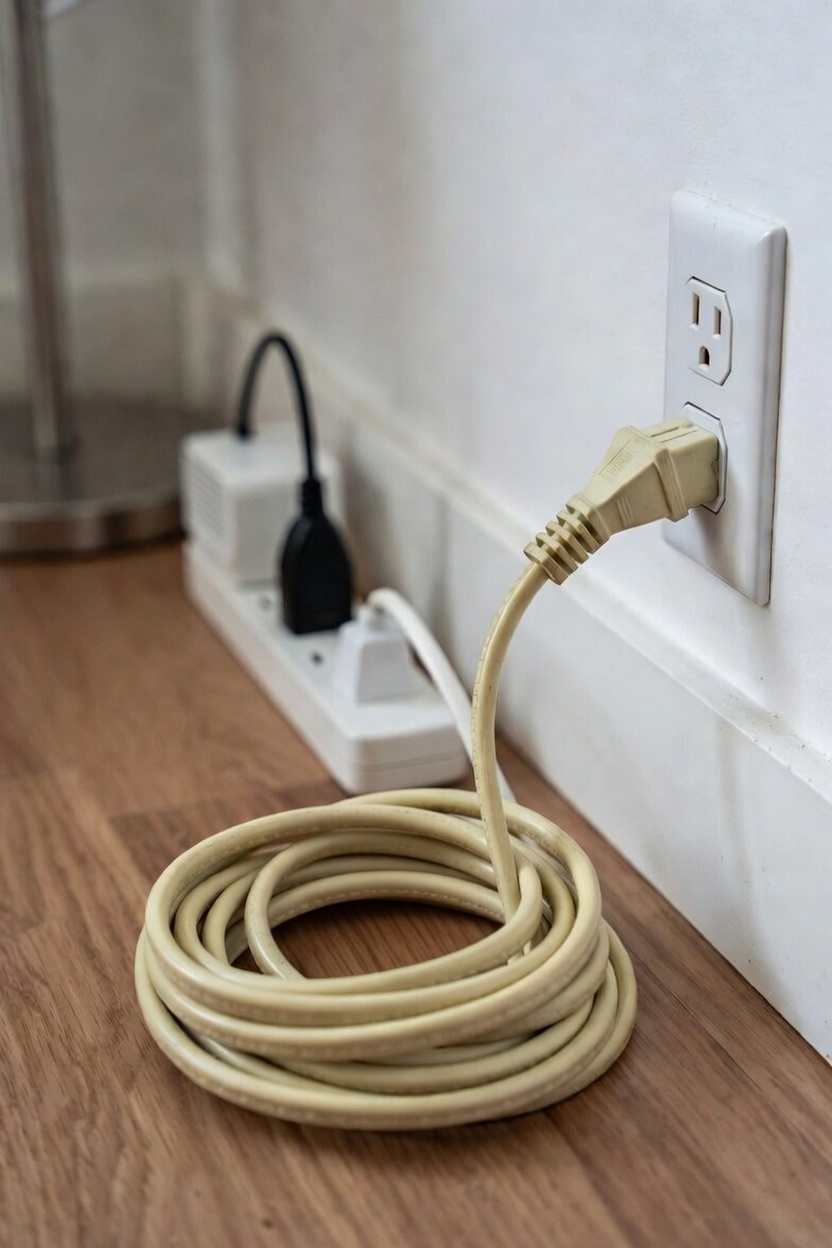
Extension cords should only be used temporarily, as overloading or improper use can lead to serious fire and shock hazards.
Always choose the correct cord rating, keep cords dry, inspect for damage, and never run them under rugs or through walls.
If you rely on extension cords often, installing additional outlets or upgrading your electrical system is the safest long-term solution.
Extension cords are a convenient way to bring power to devices and appliances when outlets aren’t nearby, but they come with safety risks.
According to the Electrical Safety Foundation International (ESFI), around 4,000 extension cord-related injuries are treated in emergency rooms annually in the U.S., and 3,300 home fires are started by extension cords each year, causing 50 fatalities and 270 injuries.
By following essential safety tips, you can protect your home and loved ones from these risks.
Key Safety Tips for Using Extension Cords
- Avoid Overloading: Never overload extension cords by plugging in devices that exceed their wattage rating. Check the label on the cord and the appliance for compatibility.
- Keep Cords Dry: Do not allow extension cords to come into contact with water or snow, which can lead to electric shock or fire.
- Temporary Use Only: Extension cords are designed for short-term use. For permanent wiring, contact a licensed electrician to install additional outlets.
- Do Not Cover Cords: Avoid running cords through walls, ceilings, floors, or under rugs, as this can trap heat and create a fire hazard.
- One Cord, One Appliance: Use a separate extension cord for each device to prevent overloading.
- Check the Rating: Ensure the cord is rated for indoor or outdoor use as needed, and that its capacity matches the device’s requirements.
- Inspect Cords Regularly: Do not use cords that are hot, frayed, or have exposed wires. Replace damaged cords immediately.
- Use Grounded Plugs: Never modify a three-prong plug to fit into a two-prong outlet, as this defeats the grounding feature and increases the risk of shock.
- Polarized and Certified Cords: Use cords with polarized or three-prong plugs and ensure they are certified by a recognized safety laboratory like UL, ETL, or CSA.
Common Misuses of Extension Cords
Misusing extension cords is one of the leading causes of electrical fires and injuries. Here are some common mistakes to avoid:
- Using indoor cords outdoors, exposing them to weather damage.
- Chaining multiple power strips together, which can overload circuits.
- Leaving cords plugged in when not in use, increasing the risk of overheating.
- Placing cords in high-traffic areas where they can be tripped over.
- Forgetting to unplug cords when they feel hot to the touch.
What Should Never Be Plugged Into An Extension Cord?
Avoid at all costs plugging in any high-wattage appliances that create heat or have motors e.g. microwaves, space heaters, refrigerators, AC units, power tools, and hair dryers. These require too much power and can overheat, leading to short circuits and even fires.
Alternatives to Overusing Extension Cords
Over-reliance on extension cords often signals a lack of adequate outlets in your home. Consider these long-term solutions:
- Install Additional Outlets: Have a licensed electrician add outlets in key areas of your home to meet your electrical needs.
- Upgrade Your Electrical System: Older homes may have outdated wiring that cannot support modern power demands. Upgrading can improve safety and efficiency.
- Use Surge Protectors: For devices like computers and TVs, use surge protectors instead of basic extension cords to safeguard against power surges.
What to Look for When Buying Extension Cords
Choosing the right extension cord is essential for safety and performance. Here’s what to consider:
- Length: Choose a cord that is the right length for your needs. Longer cords can reduce efficiency and increase the risk of overheating.
- Gauge: The lower the gauge number, the thicker the wire and the more electricity it can safely handle. For heavy-duty appliances, opt for a cord with a lower gauge.
- Certification: Ensure the cord is certified by a trusted safety organization like UL, ETL, or CSA.
- Special Features: Consider cords with built-in circuit breakers for added protection against overloads.
FAQs About Extension Cord Safety
- How often should I inspect my extension cords?
Inspect cords before each use and replace them if there are signs of damage or wear. - Can I use an extension cord for heavy appliances?
Only if the cord is rated for the appliance’s wattage. For high-powered devices, consider a dedicated outlet. - Are coiled extension cords safe to use?
No, using a coiled cord can cause it to overheat and potentially ignite. - What should I do if my extension cord feels hot?
Unplug it immediately, as this is a sign of overloading or damage.
Protect Your Home With Professional Electrical Services
Extension cords are a convenient solution for temporary power needs, but they are no substitute for a safe, well-planned electrical system. If you find yourself relying on extension cords too often, it’s time to upgrade your home’s wiring and outlets.
At ABC Plumbing, Sewer, Heating, Cooling, and Electric, we specialize in installing additional outlets, upgrading electrical systems, and ensuring your home meets modern safety standards. Scroll down to find the nearest ABC location and click to call us today for expert assistance!
ABC Plumbing Locations
Arlington Heights, IL220 W Campus Dr | Largo, FL11701 S Belcher Rd Suite 127 |
Downers Grove, IL1001 Ogden Ave LL4 | Tampa, FL4326 W El Prado Blvd Suite 7 |
Evanston, IL828 Davis St UNIT 205 | |
Related blogs

Our Blog
VIEW ALL BLOGS
Tampa AC Installation Cost Guide for Homeowners
-
Belleair Beach, FL Emergency Electrical Services: 7 Safety Signs
Electrical problems can quickly become serious safety hazards, especially during Tampa Bay's storm season. This guide covers the seven warning signs that require an emergency electrician, including burning smells, tripped breakers, flickering lights, sparking panels, and water-damaged electrical systems. Learn what you can safely do before help arrives, when to call for immediate service, and how regular inspections and timely repairs can help protect your home and family from electrical emergencies.READ MORE -
Lutz, FL Electrical Safety Inspections: Panel Checklist
Your electrical panel is the heart of your home's electrical system, and regular inspections can help prevent safety hazards, power outages, and costly repairs. This guide explains what licensed electricians check during a professional electrical panel inspection, common warning signs of electrical problems, and simple safety checks homeowners can perform without opening the panel. Learn how routine inspections, surge protection, and timely upgrades can keep your Tampa home safe, reliable, and ready for today's electrical demands.READ MORE -
Tampa, FL Heat Pump Reset Tips for Better Cooling
Not sure why your heat pump isn't cooling your home? This guide walks Tampa homeowners through how to safely reset a heat pump, common reasons a reset may work, and warning signs that require professional service. Learn simple troubleshooting steps, maintenance tips to improve performance, and when it's time to call an HVAC expert to restore reliable, energy-efficient cooling. Plus, discover how routine maintenance can help prevent future breakdowns and keep your heat pump running at its best.READ MORE
Our Promises To You
-
Convenient For You
We Work on Your Schedule
-

Background Checks
We do Drug Tests And Background Checks Before Hiring
-

No Need For Stress
Get ABCs Worry-Free Guarantee at No Cost
-

No Surprises
Pricing is By the Job, Not the Hour