
In this article, you will learn:
Air conditioners improve indoor air quality by filtering out dust, pollen, and pet dander while reducing humidity that can lead to mold and mildew.
Clean indoor air supports better health and comfort, helping reduce allergy symptoms, respiratory issues, and stale odors inside the home.
Maximize your AC’s air-cleaning benefits by changing filters regularly, scheduling seasonal maintenance, and considering added air purification upgrades if needed.
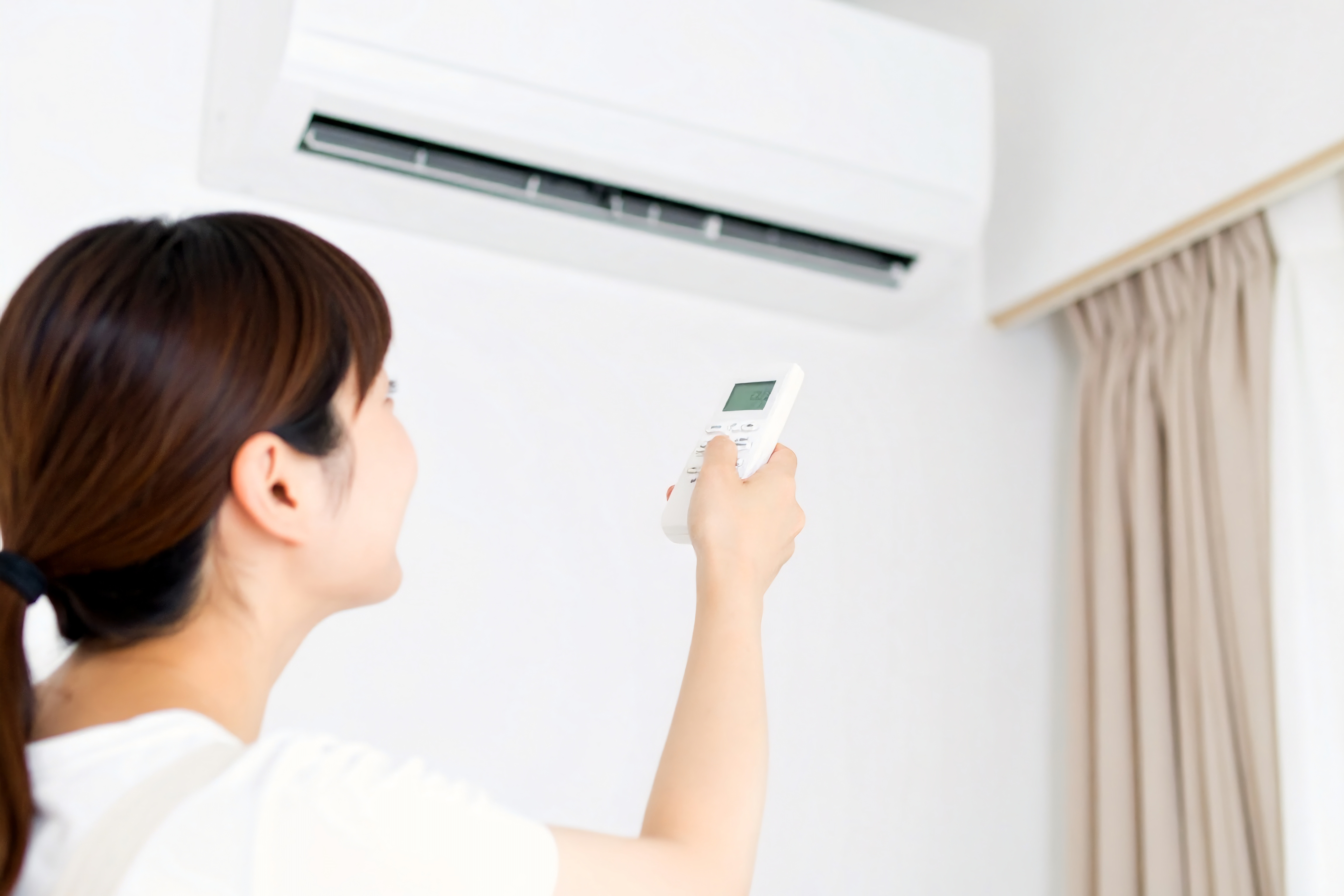
Yes, running your air conditioner can significantly improve indoor air quality by filtering out pollutants, reducing allergens, and controlling humidity. While most homeowners associate air conditioners with cooling, they also play a crucial role in maintaining a healthy and comfortable indoor environment. Let’s explore how your AC contributes to cleaner air and what you can do to maximize its benefits.
How Does an Air Conditioner Improve Air Quality?
Your air conditioning system doesn’t just cool your home—it also acts as a barrier against airborne pollutants. Here’s how:
- Filters Out Pollutants: AC systems are equipped with air filters that trap dust, pet dander, and pollen, preventing these allergens from circulating throughout your home.
- Reduces Humidity: Air conditioners extract moisture from the air, creating a less hospitable environment for mold and mildew to grow. Mold spores and mildew can trigger allergies and respiratory problems if left unchecked.
- Circulates Fresh Air: By continuously circulating air, your AC helps prevent stagnant air from building up, reducing odors and keeping your home smelling fresh.
Why Indoor Air Quality Matters
Indoor air quality has a direct impact on your health and comfort. Poor air quality can lead to a range of issues, including:
- Respiratory problems such as asthma and bronchitis.
- Increased allergy symptoms, including sneezing, coughing, and watery eyes.
- Fatigue and difficulty concentrating, caused by a lack of fresh, clean air.
Maintaining good air quality is especially important for households with children, elderly individuals, or anyone with pre-existing health conditions.
Tips for Maximizing Your AC’s Air Quality Benefits
While your AC can do a lot to improve air quality, it’s essential to take proactive steps to ensure it operates effectively:
- Replace Air Filters Regularly: Dirty air filters can’t trap pollutants effectively. Replace filters every 1–3 months, or more often if you have pets or allergies.
- Schedule Seasonal Maintenance: Have a professional clean your AC’s coils, check for contaminants, and ensure the system is running efficiently at the start of each season.
- Control Humidity Levels: Use a hygrometer to monitor indoor humidity. If it’s consistently above 50%, consider using a dehumidifier to assist your AC in maintaining optimal levels.
- Seal Air Leaks: Check for gaps around doors and windows that allow outdoor pollutants to enter your home. Sealing leaks can enhance your AC’s performance and improve air quality.
- Install Additional Air Purification Systems: Consider adding UV lights or HEPA filters to your HVAC system for enhanced air cleaning capabilities.
Common Indoor Air Pollutants and How to Address Them
Here are some common pollutants and how your AC can help mitigate their effects:
- Dust and Dander: Regular filter replacements and system cleaning help reduce these allergens.
- Volatile Organic Compounds (VOCs): Circulating fresh air can help dissipate VOCs from paints, cleaners, and furniture.
- Mold and Mildew: Proper humidity control is essential to prevent these growths.
Signs Your AC May Need Attention
If your air conditioner isn’t improving air quality as expected, it may need maintenance. Watch for these signs:
- Musty odors coming from the vents.
- Inconsistent cooling or high humidity levels indoors.
- Increased dust accumulation despite regular cleaning.
Addressing these issues promptly can prevent further complications and ensure your system continues to support healthy air quality.
Call ABC for Expert AC Maintenance and Air Quality Solutions
Ready to improve the air quality in your home? The experts at ABC Plumbing, Sewer, Heating, Cooling, and Electric are here to help. From routine AC maintenance to advanced air quality solutions, we have the tools and expertise to make your home healthier and more comfortable. Scroll down to locate the ABC office nearest to you and give us a call today!
ABC Plumbing Locations
Arlington Heights, IL220 W Campus Dr | Largo, FL11701 S Belcher Rd Suite 127 |
Downers Grove, IL1001 Ogden Ave LL4 | Tampa, FL4326 W El Prado Blvd Suite 7 |
Evanston, IL828 Davis St UNIT 205 | |
Related Services
Related blogs

Our Blog
VIEW ALL BLOGS
Tampa AC Installation Cost Guide for Homeowners
-
Belleair Beach, FL Emergency Electrical Services: 7 Safety Signs
Electrical problems can quickly become serious safety hazards, especially during Tampa Bay's storm season. This guide covers the seven warning signs that require an emergency electrician, including burning smells, tripped breakers, flickering lights, sparking panels, and water-damaged electrical systems. Learn what you can safely do before help arrives, when to call for immediate service, and how regular inspections and timely repairs can help protect your home and family from electrical emergencies.READ MORE -
Lutz, FL Electrical Safety Inspections: Panel Checklist
Your electrical panel is the heart of your home's electrical system, and regular inspections can help prevent safety hazards, power outages, and costly repairs. This guide explains what licensed electricians check during a professional electrical panel inspection, common warning signs of electrical problems, and simple safety checks homeowners can perform without opening the panel. Learn how routine inspections, surge protection, and timely upgrades can keep your Tampa home safe, reliable, and ready for today's electrical demands.READ MORE -
Tampa, FL Heat Pump Reset Tips for Better Cooling
Not sure why your heat pump isn't cooling your home? This guide walks Tampa homeowners through how to safely reset a heat pump, common reasons a reset may work, and warning signs that require professional service. Learn simple troubleshooting steps, maintenance tips to improve performance, and when it's time to call an HVAC expert to restore reliable, energy-efficient cooling. Plus, discover how routine maintenance can help prevent future breakdowns and keep your heat pump running at its best.READ MORE
Our Promises To You
-

Convenient For You
We Work on Your Schedule
-

Background Checks
We do Drug Tests And Background Checks Before Hiring
-

No Need For Stress
Get ABCs Worry-Free Guarantee at No Cost
-

No Surprises
Pricing is By the Job, Not the Hour