

In this article, you will learn:
Closing HVAC vents in unused rooms can backfire, increasing duct pressure, straining your system, and potentially causing issues like frozen AC coils or overheating furnaces.
It doesn’t actually save energy, because your HVAC system is still working to heat or cool the same air—often leading to higher bills, air leaks, and uneven comfort.
Better alternatives include zoning systems, smart thermostats, and sealing ductwork, which improve efficiency without disrupting proper airflow.
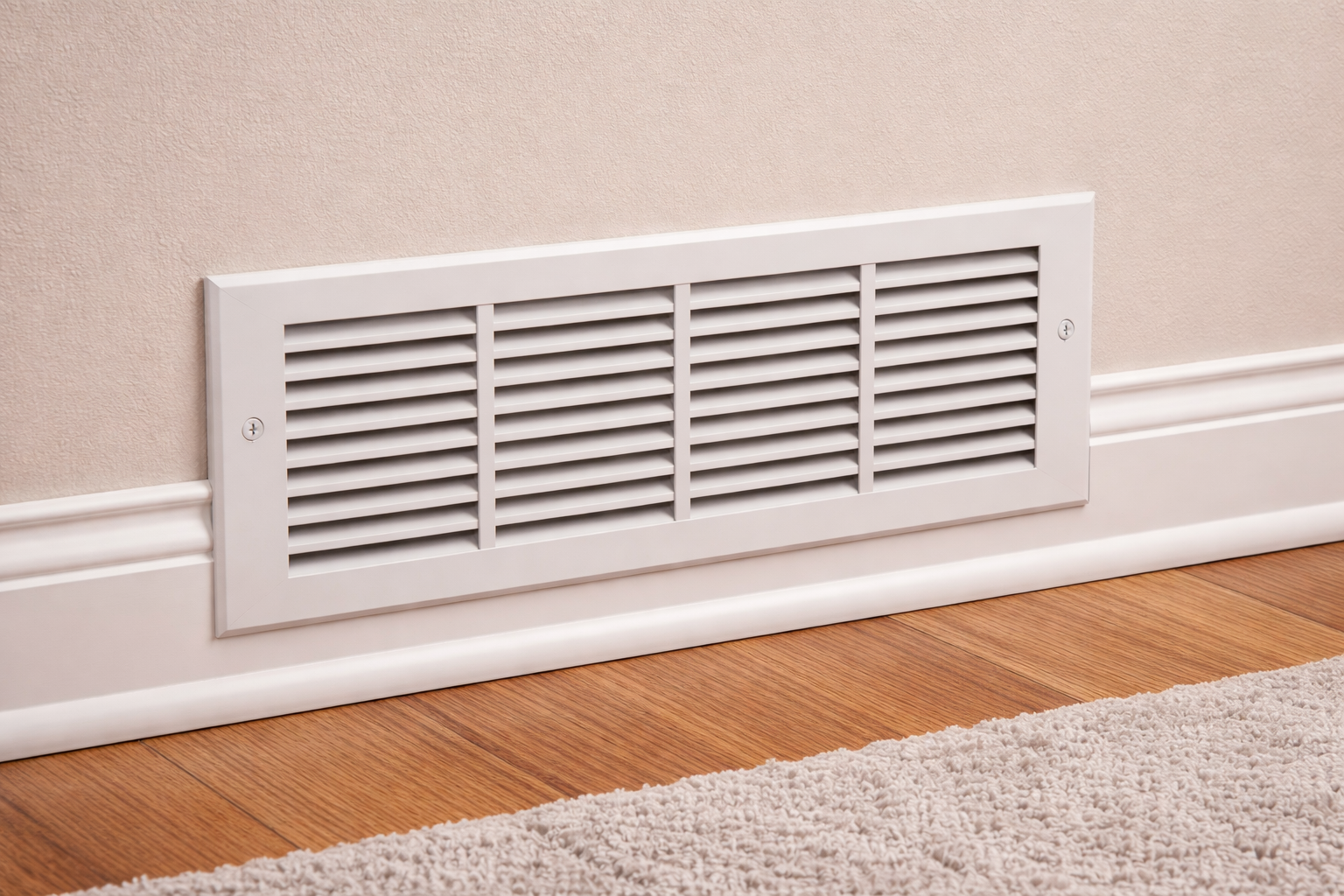
No, you should not close vents in unused rooms to save energy. While it might seem logical to block off air to rooms that aren't in use, doing so can actually harm your HVAC system, waste energy, and make your home less comfortable overall.
How Your HVAC System Is Designed to Work
When your central heating and cooling system was installed, your HVAC technician sized it specifically to match the air volume of your entire home. The ducts, blower fan, and equipment were all calibrated to deliver air evenly throughout the house. Closing vents disrupts this balance, leading to several unintended consequences:
- Increased Air Pressure: Closing vents increases pressure in the ductwork, forcing the blower fan to work harder. This added strain can shorten the lifespan of your HVAC system.
- Energy Waste: Closed vents cause more conditioned air to leak through ductwork, which already loses 20-30% of air through small gaps. Instead of saving energy, you're losing it.
- System Inefficiency: Restricted airflow can cause the AC evaporator coil to freeze or the furnace heat exchanger to overheat, reducing overall system performance.
Why Closing Vents Doesn't Save Energy
Closing vents does not lower the amount of work your HVAC system does. Your furnace and air conditioner will continue to heat or cool the same amount of air, redistributing it through the remaining open vents. This can lead to temperature imbalances and discomfort in the occupied areas of your home. Moreover, forcing your system to work harder may result in higher energy bills and potential repair costs down the line.
Alternatives to Closing Vents
Instead of closing vents in unused rooms, consider these energy-efficient alternatives to improve comfort and reduce costs:
- Use Zoning Systems: A zoning system allows you to control the temperature of specific areas of your home. This ensures unused rooms aren't over-cooled or overheated while keeping occupied spaces comfortable.
- Install Programmable or Smart Thermostats: These thermostats allow you to set different temperatures for different times of the day, reducing energy use when you're away or sleeping.
- Seal and Insulate Ductwork: Minimize air leakage by sealing and insulating your ducts. This step improves efficiency and helps maintain even temperatures throughout your home.
- Use Curtains and Door Closures: Close doors to unused rooms and use insulated curtains to block drafts. This helps to naturally limit air movement without affecting HVAC performance.
Understanding Vent Placement and Airflow in Your Home
Proper vent placement and airflow are critical to maintaining an efficient HVAC system in your home. Vents are strategically placed in your home to ensure even distribution of air. Blocking or closing these vents disrupts this balance, which can result in uneven heating and cooling and force your system to overcompensate. Additionally, higher pressure in the ducts can exacerbate leaks, further reducing efficiency.
When Is It OK to Close HVAC Vents?
If you need to close vents temporarily, do so with caution. Closing one or two vents in a well-designed system is unlikely to cause major issues. However, avoid closing multiple vents or those located closest to the air handler, as these are essential for maintaining proper airflow. If you're unsure, consult an HVAC professional to evaluate your system and offer personalized recommendations.
What is the 2 Foot Rule for Ducts?
HVAC takeoffs, or where branch ducts connect to a main trunk, should be at least 24 inches or 2 feet apart to allow adequate airflow and better air pressure balanced for all the rooms in your home. This is known as the '2-foot rule.' This helps with system efficiency and reduces static pressure while maintaining consistent comfort throughout the home.
Call in the Experts for Optimal HVAC Performance
If you’re experiencing uneven temperatures, high energy bills, or suspect your HVAC system isn’t performing efficiently, it’s time to consult a professional. Our team at ABC Plumbing, Sewer, Heating, Cooling, and Electric can assess your system, provide energy-saving solutions, and help ensure your home stays comfortable year-round.
Contact The HVAC Experts at ABC Today
Don’t let HVAC inefficiencies affect your comfort or budget. Scroll down to find the location nearest to you and give us a call to schedule a consultation. Let us help you optimize your heating and cooling system for maximum efficiency and comfort.
ABC Plumbing Locations
Arlington Heights, IL220 W Campus Dr | Largo, FL11701 S Belcher Rd Suite 127 |
Downers Grove, IL1001 Ogden Ave LL4 | Tampa, FL4326 W El Prado Blvd Suite 7 |
Evanston, IL828 Davis St UNIT 205 | |
Related blogs



Our Blog
VIEW ALL BLOGS
Clearwater, FL Leak Detection and Repair: Find Hidden Water Leaks
-
Rockford HVAC: Heating System Installation Guide
Installing a central heating system involves much more than choosing a furnace or heat pump. This guide walks Rockford-area homeowners through the professional installation process, including system sizing, ductwork, permits, venting, electrical connections, thermostat setup, and final commissioning. It also explains which tasks may be DIY-friendly, when licensed professionals are needed, and how proper installation and annual maintenance can improve comfort, efficiency, safety, and system longevity.READ MORE -
Tampa, FL Electrical Safety Inspections Checklist
Your electrical panel is the heart of your home’s electrical system, and regular inspections can help identify potential hazards before they lead to outages, equipment damage, or fire risks. This guide explains what Tampa Bay homeowners can safely check themselves and what licensed electricians inspect inside the panel, including breakers, wiring, grounding, corrosion, GFCI/AFCI protection, and surge protection. It also covers common warning signs, inspection frequency, and when repairs or upgrades may be necessary to keep your home safe and code-compliant.READ MORE -
Rockford, IL Plumbing: DIY Risks for General Plumbing
DIY plumbing can save money on simple projects, but more complex work can lead to leaks, water damage, code violations, and safety concerns when handled incorrectly. This guide explains which plumbing tasks homeowners can safely tackle themselves and when it’s best to call a licensed professional. It also covers common DIY mistakes, permits and code requirements, hidden costs, and how professional plumbing service can protect your home, warranties, and investment.READ MORE
Our Promises To You
-

Convenient For You
We Work on Your Schedule
-

Background Checks
We do Drug Tests And Background Checks Before Hiring
-

No Need For Stress
Get ABCs Worry-Free Guarantee at No Cost
-

No Surprises
Pricing is By the Job, Not the Hour