

In this article, you will learn:
AC leaks are usually caused by clogged drain lines, frozen evaporator coils, dirty filters, low refrigerant, or a damaged drain pan, all of which disrupt normal condensation drainage.
Warning signs like pooled water, ceiling stains, musty odors, or reduced cooling performance require immediate attention to prevent mold growth and costly water damage.
Basic troubleshooting (changing filters or clearing the drain line) may help, but persistent leaks require professional repair to safely address refrigerant, pump, or airflow issues and prevent further damage.
If you’ve noticed puddles around your air conditioner or water dripping from your ceiling, it’s natural to feel concerned and wonder, “Why is my AC leaking water?”
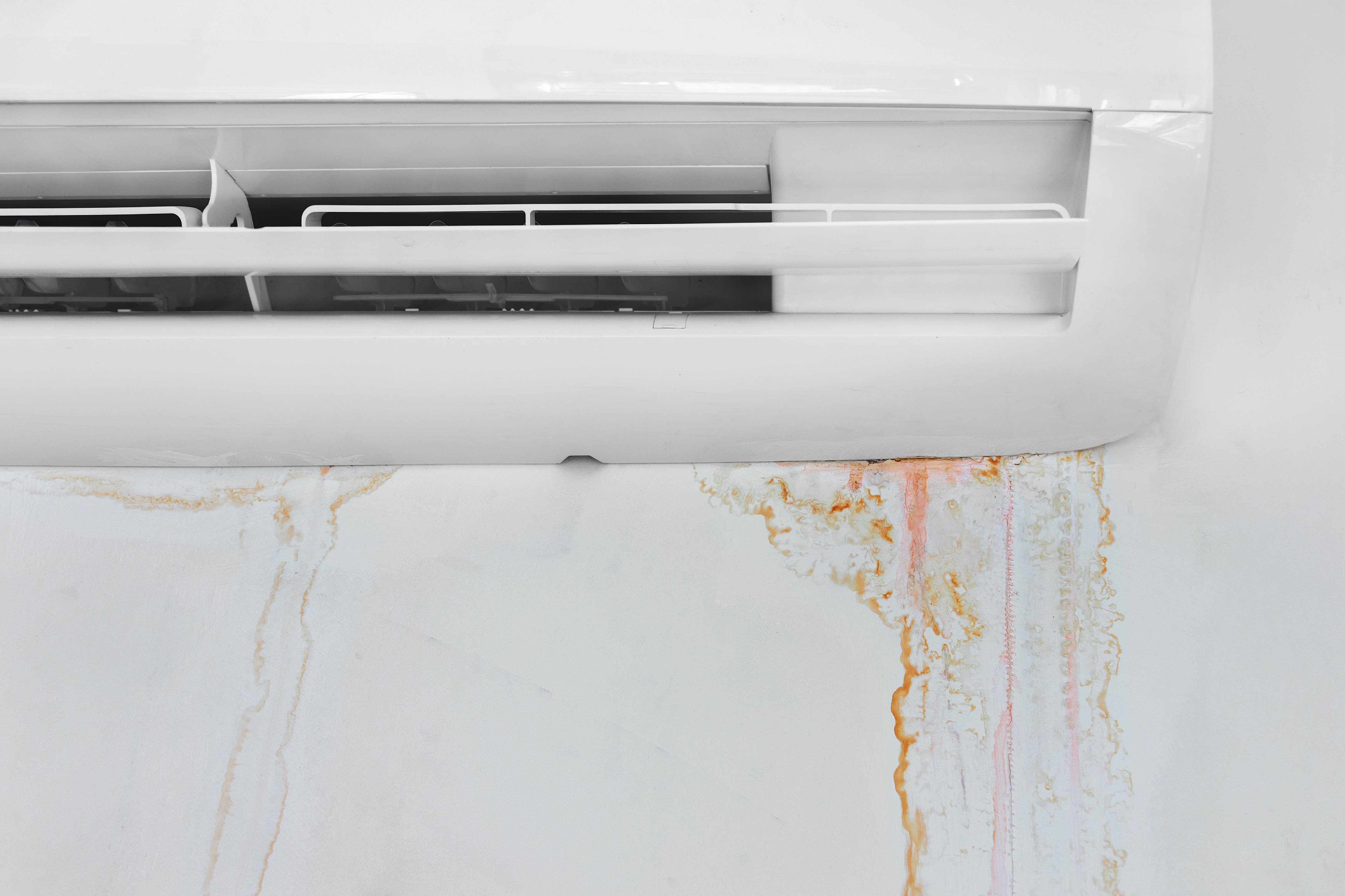
While it’s normal for an AC unit to create some moisture during operation, actual leaks usually signal a problem that requires immediate attention. Left unaddressed, an AC leaking water can lead to serious damage, mold, and costly repairs.
This guide will help you understand how your AC system handles water, what causes leaks, how to troubleshoot them, and when to call a professional. Let’s start with how air conditioners are supposed to deal with water in the first place.
How AC Systems Normally Handle Water Condensation
Air conditioners don’t just cool your home—they also remove humidity from the air. When warm air passes over the evaporator coil, it cools rapidly. This process causes water vapor to condense on the coil and drip into the drain pan, where it’s funneled out of your home through the condensate drain line.
When everything is working properly:
- Water collects in the drain pan.
- It flows out through the drain line.
- It exits safely, typically outdoors or into a household drainage system.
Problems occur when something in that process breaks down. That’s when water can back up and leak inside your home.
Common Reasons Your AC Is Leaking Water
AC leaks can stem from several issues, ranging from simple to complex. Below are the most common causes of water leaking from an air conditioner.
Clogged Condensate Drain Line
This is by far the most frequent culprit. Over time, dust, algae, mold, or debris can clog the narrow drain pipe. When this happens, water can’t exit properly and instead backs up into the drain pan, eventually spilling out.
Damaged or Rusted Drain Pan
In older systems, the drain pan can become rusted or cracked. If it’s damaged, it won’t hold water properly, causing it to leak out before it reaches the drain line.
Frozen Evaporator Coils
Frozen coils often signal deeper airflow or refrigerant problems. When the coils freeze, they stop working correctly. Later, when the ice melts, the water can overflow the pan and leak.
Dirty or Clogged Air Filter
A clogged air filter restricts airflow across the evaporator coil, potentially causing it to freeze. Once the ice melts, water may leak instead of draining properly.
Replace filters every 1–3 months, especially in peak cooling seasons.
Low Refrigerant Levels
Refrigerant plays a crucial role in cooling your home and maintaining proper coil temperature. When levels are low:
- The pressure in the system drops.
- The evaporator coil can become too cold and potentially freeze.
- When the ice melts, water can leak out of the unit.
Other signs of low refrigerant include hissing noises, warm air from vents, or long cooling cycles. This issue should always be handled by a licensed AC repair technician.
Broken or Malfunctioning Condensate Pump
If your AC system is located in a basement or lower level, it may use a condensate pump to push water uphill and out of your home. If this pump fails, the system can’t drain properly, leading to leaks.
Warning signs of a bad condensate pump include:
- Loud noises from the pump area
- Visible water pooling near the unit
- Frequent on/off cycling of the pump motor
Improper Installation or Poor Leveling
If your AC unit was installed without being properly leveled, water may pool in one area of the drain pan rather than draining out. Similarly, poorly sloped drain lines or improper connections can cause drainage issues and interior leaks. Always hire a professional for proper AC installation and setup.
Damaged Condenser
Though less common, external condenser issues can affect internal pressure, airflow, or drainage. If your outdoor condenser is damaged or obstructed, it may contribute indirectly to indoor water leaks.
Warning Signs That Require Immediate Attention
An air conditioner leaking water may often go unnoticed until damage sets in. Here are the key signs that signal your AC problem is urgent:
- Pooled water near the indoor unit or HVAC closet
- Ceiling or wall stains (especially below attic or upstairs AC units)
- Musty odors, which may indicate mold or mildew near the system
- Unusual sounds like dripping or hissing
- Increased indoor humidity
- Reduced cooling performance
These issues suggest your AC isn’t draining properly or has frozen coils. If you notice one or more of these warning signs, it’s time to act quickly.
Step-by-Step Troubleshooting Guide
If your AC is leaking water, follow this safe DIY checklist to assess the issue:
1. Turn Off the System
For safety, power off your AC at the thermostat and breaker. This prevents electrical hazards and stops further leaking.
2. Replace the Air Filter
A dirty filter can restrict airflow and cause the coils to freeze. If it appears dusty or discolored, replace it immediately.
3. Inspect and Clear the Drain Line
Use a wet/dry vacuum to clear any blockage from the condensate drain line. Attach it at the outdoor end (often near the condenser), and let it run for a few seconds.
4. Check the Drain Pan for Damage
Use a flashlight to inspect the pan for rust, cracks, or overflowing water. Replace or seal if necessary.
5. Look for Signs of Coil Freeze
Remove the access panel and inspect the coils for frost or ice. If present, it may indicate low refrigerant levels or inadequate airflow.
6. Avoid DIY Refrigerant Work
Never try to recharge or handle refrigerant yourself—it’s a regulated substance and requires licensed handling.
7. Know When to Call a Pro
If you’ve cleared blockages and changed filters but the leak continues, it’s time for professional AC repair.
Preventative Maintenance Tips
Regular maintenance keeps your AC efficient and helps prevent water leaks. Here’s what to do:
- Schedule annual AC inspections with a licensed technician
- Replace air filters every 1–3 months
- Clean the evaporator coils during spring or fall tune-ups
- Flush the condensate drain line once or twice per year
- Check refrigerant levels during pre-season checkups
- Install a float switch, which automatically shuts off the unit if water backs up in the drain pan
Staying ahead of minor issues will extend your system’s life and save money on repairs.
Is It Safe to Use an AC That’s Leaking Water?
Your AC may continue blowing cool air even if it’s leaking, but that doesn’t mean it’s safe.
Here’s why you shouldn’t keep using an air conditioner that’s leaking water:
- Water can short-circuit electrical components
- Mold growth can begin in just 24–48 hours
- Ceiling or flooring damage worsens the longer you wait
Short-Term Tip: If you must use the system before repairs, place a pan under the unit and monitor it closely to prevent spills. This is a temporary fix—schedule service as soon as possible.
When to Call a Professional
Some AC issues are simply too complex—or too dangerous—for DIY repairs. Here’s when it’s best to bring in an air conditioning professional from ABC Plumbing, Sewer, Heating, Cooling, and Electric:
- You’ve cleared the drain line, changed the filter, and the unit still leaks
- Ice continues to form on the evaporator coil
- You suspect low refrigerant levels
- The condensate pump isn’t functioning
- You see water damage around the ceilings or floors
- The leak returns after multiple fixes
Benefits of hiring a pro:
- Accurate diagnosis using specialized tools
- Licensed refrigerant handling
- Safe and long-lasting repair
- Prevents future water damage or mold
Before your technician arrives:
- Turn off the unit
- Document visible leaks or water damage
- Clear the area around the unit for easy access
Frequently Asked Questions
Can I still use my AC if it’s leaking?
It’s not recommended. Continued use can damage your home or the unit itself.
Is a leaking AC an emergency?
Yes— an AC leaking water is an emergency, especially if you see water near outlets, ceilings, or electrical equipment.
What if my central AC is leaking from the bottom?
That often means a clogged drain or damaged pan. Shut off the system and inspect it right away.
How do I stop my AC from leaking water?
Clean the drain line, change your filter, and schedule maintenance. If those don’t help, call a professional.
Don’t Ignore When Your AC Is Leaking Water — Get Help Today!
Water leaks from your air conditioner are a warning sign—don’t wait until minor issues cause major damage.
Here’s what you can do:
- Identify the warning signs
- Troubleshoot common problems
- Schedule service if leaks continue
An AC that’s leaking water often gets worse over time. Whether you’re in Florida or Illinois, ABC Plumbing, Sewer, Heating, Cooling, and Electric provides expert help fast.
ABC Plumbing Locations
Arlington Heights, IL220 W Campus Dr | Largo, FL11701 S Belcher Rd Suite 127 |
Downers Grove, IL1001 Ogden Ave LL4 | Tampa, FL4326 W El Prado Blvd Suite 7 |
Evanston, IL828 Davis St UNIT 205 | |
Related blogs



Our Blog
VIEW ALL BLOGS
Clearwater, FL Leak Detection and Repair: Find Hidden Water Leaks
-
Rockford HVAC: Heating System Installation Guide
Installing a central heating system involves much more than choosing a furnace or heat pump. This guide walks Rockford-area homeowners through the professional installation process, including system sizing, ductwork, permits, venting, electrical connections, thermostat setup, and final commissioning. It also explains which tasks may be DIY-friendly, when licensed professionals are needed, and how proper installation and annual maintenance can improve comfort, efficiency, safety, and system longevity.READ MORE -
Tampa, FL Electrical Safety Inspections Checklist
Your electrical panel is the heart of your home’s electrical system, and regular inspections can help identify potential hazards before they lead to outages, equipment damage, or fire risks. This guide explains what Tampa Bay homeowners can safely check themselves and what licensed electricians inspect inside the panel, including breakers, wiring, grounding, corrosion, GFCI/AFCI protection, and surge protection. It also covers common warning signs, inspection frequency, and when repairs or upgrades may be necessary to keep your home safe and code-compliant.READ MORE -
Rockford, IL Plumbing: DIY Risks for General Plumbing
DIY plumbing can save money on simple projects, but more complex work can lead to leaks, water damage, code violations, and safety concerns when handled incorrectly. This guide explains which plumbing tasks homeowners can safely tackle themselves and when it’s best to call a licensed professional. It also covers common DIY mistakes, permits and code requirements, hidden costs, and how professional plumbing service can protect your home, warranties, and investment.READ MORE
Our Promises To You
-
Convenient For You
We Work on Your Schedule
-

Background Checks
We do Drug Tests And Background Checks Before Hiring
-

No Need For Stress
Get ABCs Worry-Free Guarantee at No Cost
-

No Surprises
Pricing is By the Job, Not the Hour