

In this article, you will learn:
- Cottonwood seeds can clog outdoor AC units, restricting airflow through condenser coils and reducing cooling efficiency.
- Buildup can lead to higher energy bills, increased wear and tear, and potential system overheating, shortening the lifespan of your air conditioner.
- Regular cleaning and inspections during cottonwood season can help protect your AC, improve performance, and prevent costly repairs.
Chicagoland residents rejoice this time every year: The Cubs and White Sox are taking the field, the lakefront trails are brimming with activity, summer festival season is here, and the trees are in full bloom. For Chicagoland homeowners, one specific tree can be more of a headache than anything and that is the cottonwood tree.
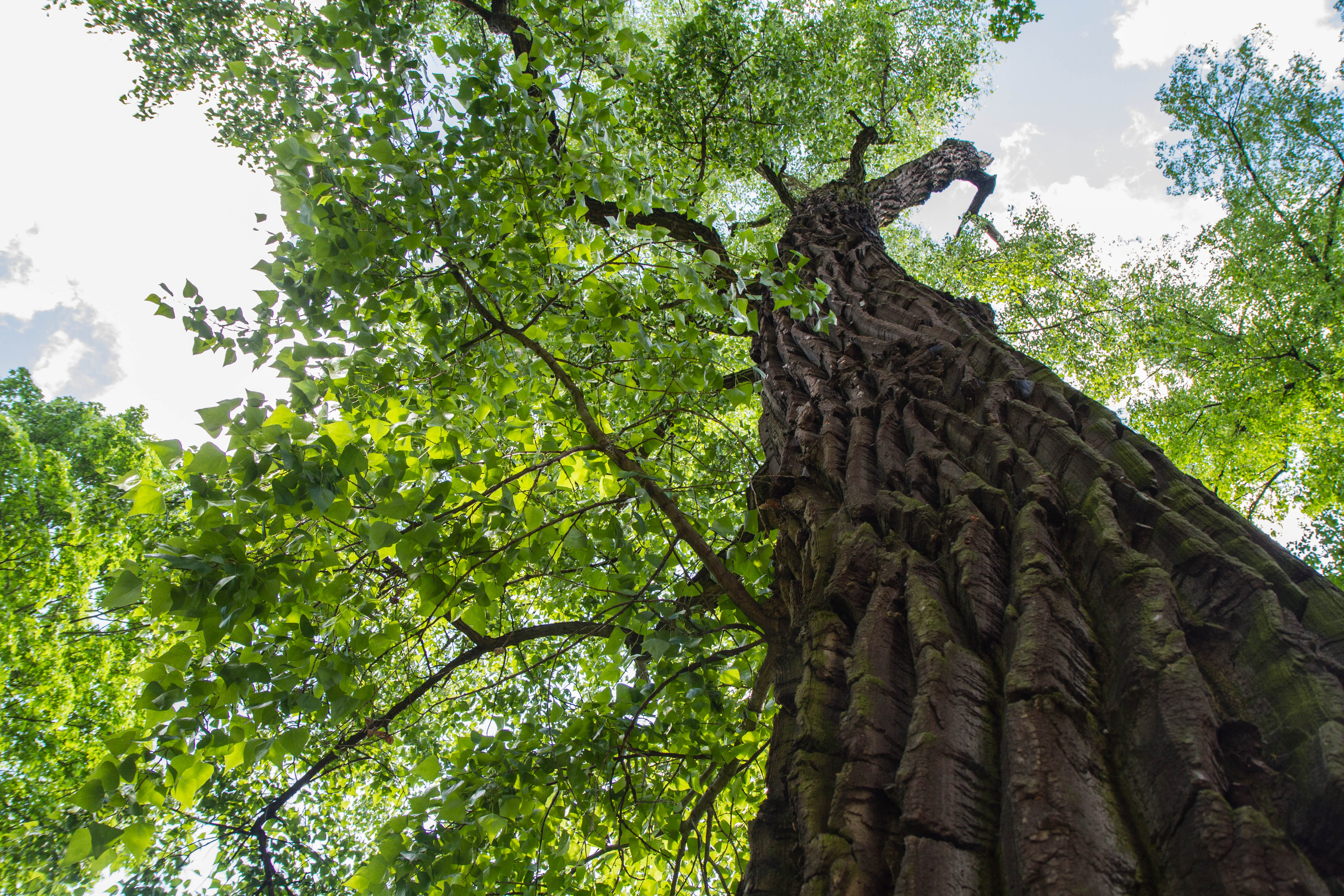
Common throughout the Midwest, cottonwood trees are pretty to look at but their seeds present a problem for homeowners with outdoor air conditioning units. While harmless to people, the fluffy white seeds from the cottonwood tree are carried by the wind and can easily accumulate around homes, fences, and yes, even, outdoor HVAC equipment.
These lightweight fibers can cling to outdoor AC units, combining with dirt, grass, pollen, and debris that can reduce your air conditioning unit’s efficiency. This can lead to higher energy bills and unexpected repairs.
How Cottonwood Affects Your Air Conditioner
Cottonwood seeds negatively impact your AC unit in the following ways:
- Restricts airflow through the condenser coil
- Leads to higher utility bills
- Increases wear and tear on critical aspects of your unit
- Can lead to overheating and system shutdowns
- Reduces the lifespan of your unit
Signs Cottonwood May be Affecting Your AC
Chicagoland homeowners should look out for: Visible white fluff surrounding the unit, as well as warm air from vents inside the house, weak cooling performance, longer cooling cycles, rising energy bills, and more.
Protect your AC unit during cottonwood season by ensuring there is at least two feet of clearance around the condenser at all times. Regularly remove grass clippings, leaves, dirt, and other debris from near the condenser, and gently rinse the condenser coil with a garden hose.
If your AC is still acting up, it may be time to call in the professionals.
Stay Comfortable in Every Season—Call the Experts
Your HVAC system is one of the most important investments in your home. Whether you need furnace repair in Illinois, AC maintenance in Chicagoland, or a full system replacement, professional service ensures your home stays comfortable year-round.
ABC Plumbing, Sewer, Heating, Cooling and Electric has been serving Chicagoland homeowners with trusted HVAC solutions for more than 70 years. From emergency repairs to routine maintenance and new installations, we’re here to help.
Schedule your HVAC service today—and keep your home comfortable no matter the season. Consider It Done.
Frequently Asked Questions (FAQ)
Can cottonwood seeds permanently damage an AC unit?
Usually not if addressed quickly, but prolonged buildup can contribute to component failures.
Can I clean cottonwood off my AC myself?
Light cleaning can be done with a garden hose, but professional cleaning is recommended for heavily impacted systems.
How often should I check my outdoor AC during cottonwood season?
Weekly inspections are recommended while cottonwood is actively shedding.
Does cottonwood affect newer AC systems?
Yes. Even brand-new systems can experience reduced airflow and efficiency from cottonwood buildup.
ABC Plumbing Locations
Arlington Heights, IL220 W Campus Dr | Largo, FL11701 S Belcher Rd Suite 127 |
Downers Grove, IL1001 Ogden Ave LL4 | Tampa, FL4326 W El Prado Blvd Suite 7 |
Evanston, IL828 Davis St UNIT 205 | |
Related blogs



Our Blog
VIEW ALL BLOGS
Chicago Northwest Suburbs Emergency Plumbing Prices – 24/7 Plumber Costs
-
Tampa, FL Duct Services: Fix Leaking Air Ducts Fast
Leaky air ducts can waste energy, increase utility bills, reduce indoor air quality, and create uneven temperatures throughout your home. This guide explains how Tampa Bay homeowners can recognize the warning signs of duct leaks, identify common problem areas, and determine when DIY sealing or professional service is the best solution. It also explores the benefits of Aeroseal duct sealing, including improved airflow, more consistent comfort, better humidity control, and increased HVAC efficiency, along with costs, maintenance tips, and what to expect during professional duct sealing.READ MORE -
How to Inspect Your Electrical Panel Safely | Homeowner Guide
Your electrical panel plays a critical role in safely powering your home, making it important to recognize potential problems before they become serious. This video guide shows homeowners how to perform a basic visual inspection and identify warning signs such as burn marks, corrosion, loose breakers, overloaded panels, and outdated wiring. Learn what a healthy electrical panel should look like, which issues require immediate attention, and when it’s time to call a professional electrician for help.READ MORE -
Clearwater, FL Leak Detection and Repair: Find Hidden Water Leaks
Hidden water leaks can lead to higher water bills, mold, damaged flooring, and costly repairs if they go undetected. This guide shows Tampa Bay homeowners how to identify potential leaks using water meter tests, visual warning signs, room-by-room checks, and isolation techniques. It also explains how professionals use non-invasive technology like acoustic listening and thermal imaging to pinpoint concealed and slab leaks while minimizing damage to your home.READ MORE
Our Promises To You
-

Convenient For You
We Work on Your Schedule
-

Background Checks
We do Drug Tests And Background Checks Before Hiring
-

No Need For Stress
Get ABCs Worry-Free Guarantee at No Cost
-

No Surprises
Pricing is By the Job, Not the Hour