

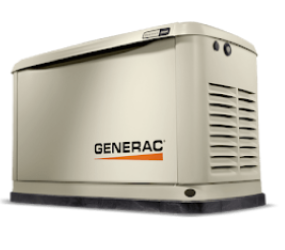
When severe storms roll in and power outages strike, a whole-house generator can be a lifesaver. While your neighbors may be scrambling to light candles and salvage food, your household can continue operating seamlessly. Here’s everything you need to know about whole-house generators, including their benefits and why they’re a smart investment for your home.
What Is a Whole-House Generator?
A whole-house generator is a backup power system that automatically supplies electricity to your home when a power outage occurs. Unlike portable generators, which require manual setup and can power only a few appliances, whole-house generators connect directly to your home’s electrical system. They’re fueled by natural gas or propane and are designed to start automatically within seconds of a power failure.
Key Benefits of Whole-House Generators
Investing in a whole-house generator offers numerous advantages, especially during storm seasons:
- Continuous Power Supply: Keep essential appliances running, including refrigerators, air conditioners, and medical equipment, ensuring your family’s comfort and safety.
- Preserve Food: Avoid costly food spoilage by maintaining power to your refrigerator and freezer.
- Stay Informed: Keep your television and internet connection active to monitor weather updates and emergency information.
- Convenience: Cook meals using electric appliances, charge devices, and maintain a well-lit home without relying on flashlights or candles.
- Comfort During Hot Weather: Run your air conditioning system during sweltering summer outages to avoid heat-related illnesses.
- Peace of Mind: With automatic operation, you won’t need to worry about manually starting the generator during emergencies.
How Do Whole-House Generators Work?
Whole-house generators are connected to your home’s electrical panel and a fuel source, such as natural gas or propane. When the power grid fails, the generator’s transfer switch detects the outage and automatically starts the generator. This seamless transition ensures your home remains powered until the main utility supply is restored.
Factors to Consider When Choosing a Whole-House Generator
Before investing in a generator, consider these key factors to ensure you select the right model for your needs:
- Power Output: Determine the wattage required to power your home’s essential appliances and systems. Generators typically range from 7,000 to 20,000 watts or more.
- Fuel Type: Choose between natural gas, propane, or diesel fuel based on availability and your home’s existing setup.
- Automatic Transfer Switch: Ensure your generator includes an automatic transfer switch for a seamless power transition during outages.
- Noise Level: Look for models with quiet operation, especially if your home is in a densely populated area.
- Maintenance: Regular maintenance is essential for optimal performance. Consider models with self-diagnostic capabilities for easier upkeep.
Why Now Is the Best Time to Invest in a Generator
Late summer and early fall are prime times for severe storms that can knock out power for hours or even days. Preparing in advance ensures your home is ready to handle unexpected outages without disruption. Additionally, having a generator installed before winter arrives means you’ll be prepared for extreme weather conditions year-round.
Professional Installation Matters
Proper installation is crucial for the safe and efficient operation of a whole-house generator. At ABC Plumbing, Sewer, Heating, Cooling, and Electric, our expert technicians handle every aspect of installation, from assessing your power needs to connecting the generator to your home’s electrical and fuel systems. With professional installation, you can rest assured your generator will perform reliably when you need it most.
Common Questions About Whole-House Generators
Q: How long can a whole-house generator run?
A: Most generators can run continuously as long as they have a steady fuel supply. Natural gas generators can operate indefinitely if connected to a municipal gas line, while propane or diesel models depend on the size of your fuel tank.
Q: Do whole-house generators require maintenance?
A: Yes, routine maintenance, such as oil changes and air filter replacements, is essential to keep your generator in peak condition. Many models include self-diagnostic features to alert you to maintenance needs.
Q: Can a generator power my entire home?
A: The capacity of your generator determines how much of your home it can power. Discuss your energy needs with a professional to choose a generator that can handle your desired load.
Ready to Weather the Storm?
Don’t let power outages disrupt your life. With a reliable whole-house generator installed by ABC Plumbing, Sewer, Heating, Cooling, and Electric, you can enjoy peace of mind and uninterrupted comfort during any storm. Call us today at 888-868-6667 for Chicago or 813-452-5952 for Tampa to learn more about our generator installation services. You can also contact us online to schedule a consultation.
ABC Plumbing Locations
Arlington Heights, IL220 W Campus Dr | Largo, FL11701 S Belcher Rd Suite 127 |
Downers Grove, IL1001 Ogden Ave LL4 | Tampa, FL4326 W El Prado Blvd Suite 7 |
Evanston, IL828 Davis St UNIT 205 | |
Related blogs


Our Blog
VIEW ALL BLOGS
Des Plaines Plumbing: DIY Fixes for Common Issues
-
Tips for Selecting the Best Toilet for Small Spaces in Clearwater
Choosing the right toilet for a small bathroom can help Clearwater homeowners maximize space, improve functionality, and create a more comfortable, stylish bathroom. This guide explores space-saving options, including compact, corner, and wall-mounted toilets, along with water-efficient features like dual-flush technology that can help reduce water usage and utility costs. It also highlights the importance of selecting a reliable, high-quality toilet that complements your bathroom’s design. Learn how professional installation from ABC Plumbing, Air, Heat & Electric can help ensure proper performance, prevent leaks, and provide long-lasting peace of mind.READ MORE -
4-emergency-plumbing-tips
READ MORE -
abcs-home-heating-afue-ratings
READ MORE
Our Promises To You
-

Convenient For You
We Work on Your Schedule
-

Background Checks
We do Drug Tests And Background Checks Before Hiring
-

No Need For Stress
Get ABCs Worry-Free Guarantee at No Cost
-

No Surprises
Pricing is By the Job, Not the Hour