

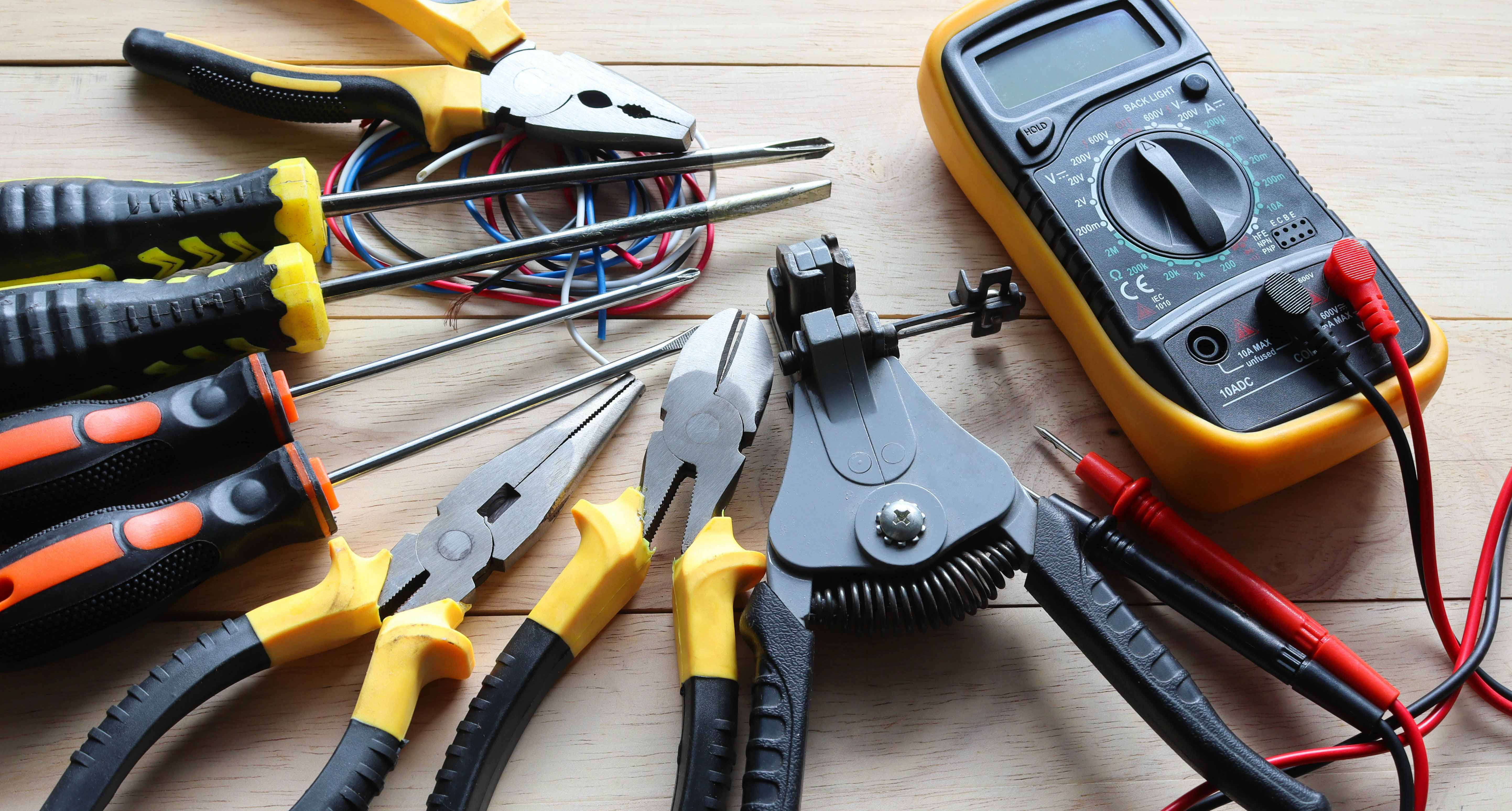
Upgrading your home’s electrical system is necessary when your current setup can no longer meet the demands of modern living, presents safety risks, or fails to comply with updated codes.
Whether you’re experiencing frequent issues, planning renovations, or simply want to ensure your home is safe and efficient, it’s essential to know the signs that an upgrade is needed.
Signs It’s Time to Upgrade Your Electrical System
Many homeowners overlook their electrical systems until problems arise. Here are the most common indicators that your home’s electrical system needs an upgrade:
- Frequent Circuit Breaker Trips: If your breakers trip often, it may indicate that your system is overloaded and unable to handle the current electrical load.
- Flickering or Dimming Lights: Lights that flicker or dim when appliances are in use could point to an outdated electrical system.
- Outdated Wiring: Homes with knob-and-tube wiring or aluminum wiring are at a higher risk of electrical fires and should be upgraded to modern copper wiring.
- Insufficient Outlets: If you rely heavily on extension cords or power strips, it’s a sign your home doesn’t have enough outlets for your needs.
- Burning Smell or Scorch Marks: A burning smell near outlets or scorch marks on receptacles can signal serious electrical issues requiring immediate attention.
- No Ground Fault Circuit Interrupters (GFCIs): Modern codes require GFCIs in wet areas like bathrooms and kitchens to prevent electrical shocks. If your home lacks these, an upgrade is necessary.
Reasons to Upgrade Your Electrical System
Upgrading your electrical system offers several benefits, including safety, convenience, and energy efficiency. Here’s why you should consider an upgrade:
- Safety: Old wiring and panels are more prone to overheating and fires. An upgrade ensures compliance with modern safety standards, reducing risks.
- Increased Capacity: Modern homes require more power to support devices like computers, entertainment systems, and smart appliances. Upgrading allows your system to meet these demands.
- Improved Efficiency: New electrical systems are more energy-efficient, which can lower your electricity bills and reduce your carbon footprint.
- Home Value: An updated electrical system adds value to your home and makes it more appealing to buyers.
- Support for Renovations: If you’re adding new rooms, appliances, or features like central air conditioning, your electrical system will need to be updated to accommodate the additional load.
Steps to Upgrade Your Electrical System
If you’ve decided it’s time to upgrade, here’s a general outline of what the process involves:
- Hire a Licensed Electrician: Always work with a licensed professional to ensure your upgrade is safe and meets code requirements.
- Inspect the Current System: Your electrician will inspect your home’s electrical panel, wiring, outlets, and overall capacity to identify issues and recommend upgrades.
- Replace the Electrical Panel: If your panel is outdated or maxed out, upgrading to a 200-amp panel or higher may be necessary.
- Rewire as Needed: Replace outdated or unsafe wiring with modern, code-compliant materials like copper wiring.
- Add Outlets and GFCIs: Ensure your home has sufficient outlets and that wet areas are equipped with GFCI outlets.
- Install Surge Protection: Whole-house surge protection can safeguard your devices from power surges.
Common Questions About Electrical Upgrades
Here are some frequently asked questions about upgrading your home’s electrical system:
- How often should I upgrade my electrical system? Electrical systems typically last 20-30 years, but frequent issues or new electrical needs may require upgrades sooner.
- How much does an electrical upgrade cost? Costs vary depending on the scope of the upgrade. Replacing an electrical panel can range from $1,500 to $3,000, while rewiring a home may cost $5,000 or more.
- Can I upgrade my electrical system myself? Electrical work is dangerous and should always be performed by a licensed electrician.
Call the Experts for Your Electrical Needs
Upgrading your home’s electrical system is an investment in safety, efficiency, and convenience. If you’re experiencing any of the issues mentioned above or planning a renovation, our team at ABC Plumbing, Sewer, Heating, Cooling, and Electric is here to help.
Scroll down to find the location nearest you and contact us to schedule a consultation. Let us ensure your home’s electrical system is ready for the demands of modern living.
ABC Plumbing Locations
Arlington Heights, IL220 W Campus Dr | Largo, FL11701 S Belcher Rd Suite 127 |
Downers Grove, IL1001 Ogden Ave LL4 | Tampa, FL4326 W El Prado Blvd Suite 7 |
Evanston, IL828 Davis St UNIT 205 | |
Related blogs


Our Blog
VIEW ALL BLOGS
Chicago Northwest Suburbs Emergency Plumbing Prices – 24/7 Plumber Costs
-
Tampa, FL Duct Services: Fix Leaking Air Ducts Fast
Leaky air ducts can waste energy, increase utility bills, reduce indoor air quality, and create uneven temperatures throughout your home. This guide explains how Tampa Bay homeowners can recognize the warning signs of duct leaks, identify common problem areas, and determine when DIY sealing or professional service is the best solution. It also explores the benefits of Aeroseal duct sealing, including improved airflow, more consistent comfort, better humidity control, and increased HVAC efficiency, along with costs, maintenance tips, and what to expect during professional duct sealing.READ MORE -
How to Inspect Your Electrical Panel Safely | Homeowner Guide
Your electrical panel plays a critical role in safely powering your home, making it important to recognize potential problems before they become serious. This video guide shows homeowners how to perform a basic visual inspection and identify warning signs such as burn marks, corrosion, loose breakers, overloaded panels, and outdated wiring. Learn what a healthy electrical panel should look like, which issues require immediate attention, and when it’s time to call a professional electrician for help.READ MORE -
Clearwater, FL Leak Detection and Repair: Find Hidden Water Leaks
Hidden water leaks can lead to higher water bills, mold, damaged flooring, and costly repairs if they go undetected. This guide shows Tampa Bay homeowners how to identify potential leaks using water meter tests, visual warning signs, room-by-room checks, and isolation techniques. It also explains how professionals use non-invasive technology like acoustic listening and thermal imaging to pinpoint concealed and slab leaks while minimizing damage to your home.READ MORE
Our Promises To You
-

Convenient For You
We Work on Your Schedule
-

Background Checks
We do Drug Tests And Background Checks Before Hiring
-

No Need For Stress
Get ABCs Worry-Free Guarantee at No Cost
-

No Surprises
Pricing is By the Job, Not the Hour