


Controlling humidity in your home during winter is essential for maintaining indoor comfort, preventing damage, and improving air quality. Depending on the age and construction of your home, winter humidity issues can vary from excessively dry air to excessive moisture. Here’s what you need to know about managing humidity levels in winter and keeping your home comfortable and healthy.
Understanding Winter Humidity Challenges
Older homes often experience dry air during the winter months due to drafts, less effective insulation, and natural ventilation. This dryness can cause discomfort, such as dry skin, irritated sinuses, and static electricity. On the other hand, newer homes built with better insulation and tighter construction may trap humidity inside, leading to issues like condensation on windows, mold growth, and potential structural damage.
How to Control Dry Air in Older Homes
Dry air in winter can be uncomfortable and even damaging to your health and home. To combat low humidity levels in older homes, consider the following strategies:
1. Use a Humidifier
A humidifier is one of the most effective tools for increasing indoor humidity. You can choose from portable humidifiers for specific rooms or whole-house humidifiers that work in conjunction with your HVAC system. Aim for a relative humidity level between 30-50% for optimal comfort and health.
2. Seal Drafts
Inspect your home for gaps or cracks around windows, doors, and other areas where cold air can enter. Use weatherstripping, caulk, or insulation to seal these areas and maintain a more consistent indoor humidity level.
3. Add Indoor Plants
Certain houseplants can naturally increase humidity by releasing moisture into the air through a process called transpiration. Plants like peace lilies, ferns, and spider plants can help improve indoor air quality and add a touch of greenery to your home.
4. Dry Clothes Indoors
Hang-drying clothes indoors can introduce additional moisture into the air, helping to offset dryness during the winter months. Be cautious not to overdo it, as excessive moisture can lead to other issues.
Managing Excess Humidity in Newer Homes
In tightly sealed newer homes, excess humidity can cause condensation, foggy windows, and even mold growth. To manage high humidity levels, try these solutions:
1. Ensure Proper Ventilation
Adequate ventilation is crucial for managing humidity. Install and use exhaust fans in bathrooms and kitchens to remove moisture from the air. Ensure roof vents and attic ventilation systems are functioning properly to prevent condensation buildup.
2. Use a Dehumidifier
If high humidity persists, a dehumidifier can help remove excess moisture from the air. Choose a unit that fits your space, or consider a whole-house dehumidifier for consistent control throughout your home.
3. Open Windows Periodically
On milder winter days, briefly open windows to allow fresh air to circulate and reduce indoor humidity levels. This simple step can also improve indoor air quality by reducing pollutants and allergens.
4. Address Moisture Sources
Identify and address potential sources of excess moisture, such as leaks, poorly insulated walls, or a malfunctioning HVAC system. Repairing these issues can prevent humidity problems from recurring.
Why Professional Help Matters
Managing humidity levels in your home can be complex, as various factors like the size of your home, the number of occupants, and the natural ventilation rate all play a role. Consulting a professional heating and cooling expert can provide valuable insights and tailored solutions for your specific needs. A professional evaluation can help you determine the right combination of ventilation, insulation, and humidity control strategies for your home.
Additional Tips for Maintaining Healthy Humidity Levels
- Monitor Humidity Levels: Use a hygrometer to measure your indoor humidity and adjust your efforts accordingly.
- Maintain HVAC Systems: Regularly service your HVAC system to ensure it operates efficiently and effectively manages humidity.
- Clean Filters: Replace or clean HVAC filters regularly to maintain good airflow and air quality.
- Insulate Pipes: Insulate exposed pipes to prevent condensation and freezing during winter.
Need Expert Help with Humidity Control?
Excessively dry or humid air in your home can lead to discomfort and damage. If you’re struggling to maintain the right balance, ABC Plumbing, Sewer, Heating, Cooling, and Electric can help. Call us at 888-868-6667 in Chicago or 813-452-5952 in Tampa, or contact us online to schedule an evaluation and find the best solution for your home.
ABC Plumbing Locations
Arlington Heights, IL220 W Campus Dr | Largo, FL11701 S Belcher Rd Suite 127 |
Downers Grove, IL1001 Ogden Ave LL4 | Tampa, FL4326 W El Prado Blvd Suite 7 |
Evanston, IL828 Davis St UNIT 205 | |
Related blogs



Our Blog
VIEW ALL BLOGS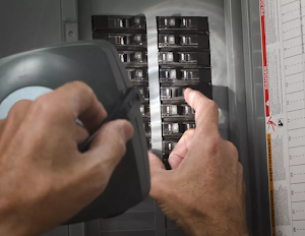
How to Inspect Your Electrical Panel Safely | Homeowner Guide
-
Clearwater, FL Leak Detection and Repair: Find Hidden Water Leaks
Hidden water leaks can lead to higher water bills, mold, damaged flooring, and costly repairs if they go undetected. This guide shows Tampa Bay homeowners how to identify potential leaks using water meter tests, visual warning signs, room-by-room checks, and isolation techniques. It also explains how professionals use non-invasive technology like acoustic listening and thermal imaging to pinpoint concealed and slab leaks while minimizing damage to your home.READ MORE -
Rockford HVAC: Heating System Installation Guide
Installing a central heating system involves much more than choosing a furnace or heat pump. This guide walks Rockford-area homeowners through the professional installation process, including system sizing, ductwork, permits, venting, electrical connections, thermostat setup, and final commissioning. It also explains which tasks may be DIY-friendly, when licensed professionals are needed, and how proper installation and annual maintenance can improve comfort, efficiency, safety, and system longevity.READ MORE -
Tampa, FL Electrical Safety Inspections Checklist
Your electrical panel is the heart of your home’s electrical system, and regular inspections can help identify potential hazards before they lead to outages, equipment damage, or fire risks. This guide explains what Tampa Bay homeowners can safely check themselves and what licensed electricians inspect inside the panel, including breakers, wiring, grounding, corrosion, GFCI/AFCI protection, and surge protection. It also covers common warning signs, inspection frequency, and when repairs or upgrades may be necessary to keep your home safe and code-compliant.READ MORE
Our Promises To You
-

Convenient For You
We Work on Your Schedule
-

Background Checks
We do Drug Tests And Background Checks Before Hiring
-

No Need For Stress
Get ABCs Worry-Free Guarantee at No Cost
-

No Surprises
Pricing is By the Job, Not the Hour